

Embarking on the exhilarating journey of selecting the perfect road bike can be quite overwhelming, especially for novices just stepping into the vibrant world of cycling. The market is a vast ocean teeming with a myriad of choices, each one promising an enticing blend of quality and value. For those just starting out, it’s often wise to begin with an option that doesn’t drain your wallet. Yet, finding that elusive sweet spot between affordability and performance is crucial. Picture this guide as your personal compass, designed to help you navigate through the labyrinth of options available, focusing on the crème de la crème of beginner road bike under $300. We’ll delve deep into the pivotal features that really matter, spotlight top models that truly stand out, and provide indispensable buying tips to ensure you make a smart and satisfying choice.
Quick List
> Is it Possible to Get a Good Quality Road Bike for Under $300?
> Key Features to Consider
> Top Beginner Road Bikes Under $300 in 2025
> Comparing the Best Beginner Road Bikes Under $300
> Buying Guide: How to Choose the Right Beginner Road Bike
> How Can I Determine if a Road Bike is the Right Fit for Me?
> Maintenance Tips for Your Beginner Road Bike
> FAQ
Whether you’re gearing up for your very first ride or looking to upgrade without splurging, we’ve got you covered with the insights you need to pedal forward with unwavering confidence.
Is it Possible to Get a Good Quality Road Bike for Under $300?
Absolutely, you can score a good quality road bike for under $300, but this requires careful consideration and realistic expectations. In this price range, you’ll find bikes perfectly suited for beginners, commuting, and casual riding. Here are some key points to mull over:
1. Brand and Reputation: Stick to reputable brands known for producing quality entry-level bikes. Companies like Schwinn, Vilano, and Merax offer reliable options in this price range. Their bikes are often praised for their durability and value.
2. Frame Material: Most road bikes under $300 will feature aluminum frames. Aluminum provides an excellent balance of strength, weight, and affordability. It’s sturdy enough for regular use yet light enough to make your rides enjoyable.
3. Components: While you may not get the highest-end components, ensure the bike has a decent gear system (e.g., Shimano) and reliable brakes, whether caliper or disc brakes. These components are crucial for a smooth and safe riding experience.
4. Intended Use: Understand that these bikes are best for light to moderate use. If you plan to ride extensively or on challenging terrains, consider investing slightly more for enhanced durability and performance.
In essence, yes, a good quality road bike under $300 is achievable, but it requires a bit of savvy shopping and setting realistic expectations.
Key Features to Consider
When embarking on the quest for a beginner road bike, there are several critical features to keep in mind. The market is a vast expanse, brimming with options that can be both exciting and daunting. You need to navigate this landscape with a discerning eye.
Frame Material:
Think of the frame as the backbone of your bike; its material profoundly impacts the bike’s weight, durability, and ride quality. Aluminum frames? Lightweight, making the bike a breeze to handle and transport. Plus, they’re rust-resistant, ensuring your bike stands the test of time. Steel frames, on the other hand, are heftier but deliver a smoother ride thanks to their natural shock-absorbing properties. Known for their robustness, they can withstand rough handling, a boon for beginners just starting out.
Gear System:
Gears are indispensable for adjusting your bike’s resistance and tackling various terrains. A simple gear system with fewer gears (typically between 14 to 21) is easier for beginners to manage. Shimano gear systems are favored for their reliability and user-friendliness. When you’re new to the game, look for bikes with indexed shifters—they make changing gears straightforward and intuitive.
Braking System:
Safety first! The braking system is crucial. Rim brakes are common in budget-friendly bikes, offering effective stopping power and easy maintenance. Planning to ride in wet conditions or need more stopping power? Consider disc brakes. They may be pricier and require more upkeep, but they provide superior performance, giving you peace of mind in every ride.
Wheel Size and Tires:
Standard 700c wheels are the go-to for road bikes, striking a good balance of speed and stability. Tires? Seek out those with puncture resistance and solid traction. Wider tires offer enhanced stability and comfort, while narrower ones reduce rolling resistance, boosting your speed.
Comfort and Ergonomics:
Comfort is paramount to enjoying your rides. A well-padded seat supporting your sit bones and minimizing pressure points is essential. Handlebars should be adjustable to match your riding style and ensure a natural posture. Opt for a bike with relaxed geometry, where the handlebars are higher than the seat, to reduce strain on your back and shoulders, making those longer rides more enjoyable.
Selecting the right bike involves balancing these features to suit your needs. With the right frame, gear system, brakes, wheels, and a focus on comfort, you’ll be ready to hit the road with confidence and joy.
Top Beginner Road Bikes Under $300 in 2025
Eurobike EURXC550 21 Speed Road Bike
| Pros: | Cons: |
|---|---|
| > Shimano 21-speed gearing > Disc brake system > Efficient 700C tires > Ergonomic frame design > Easy assembly | > Requires initial assembly > May need adjustments after initial rides |
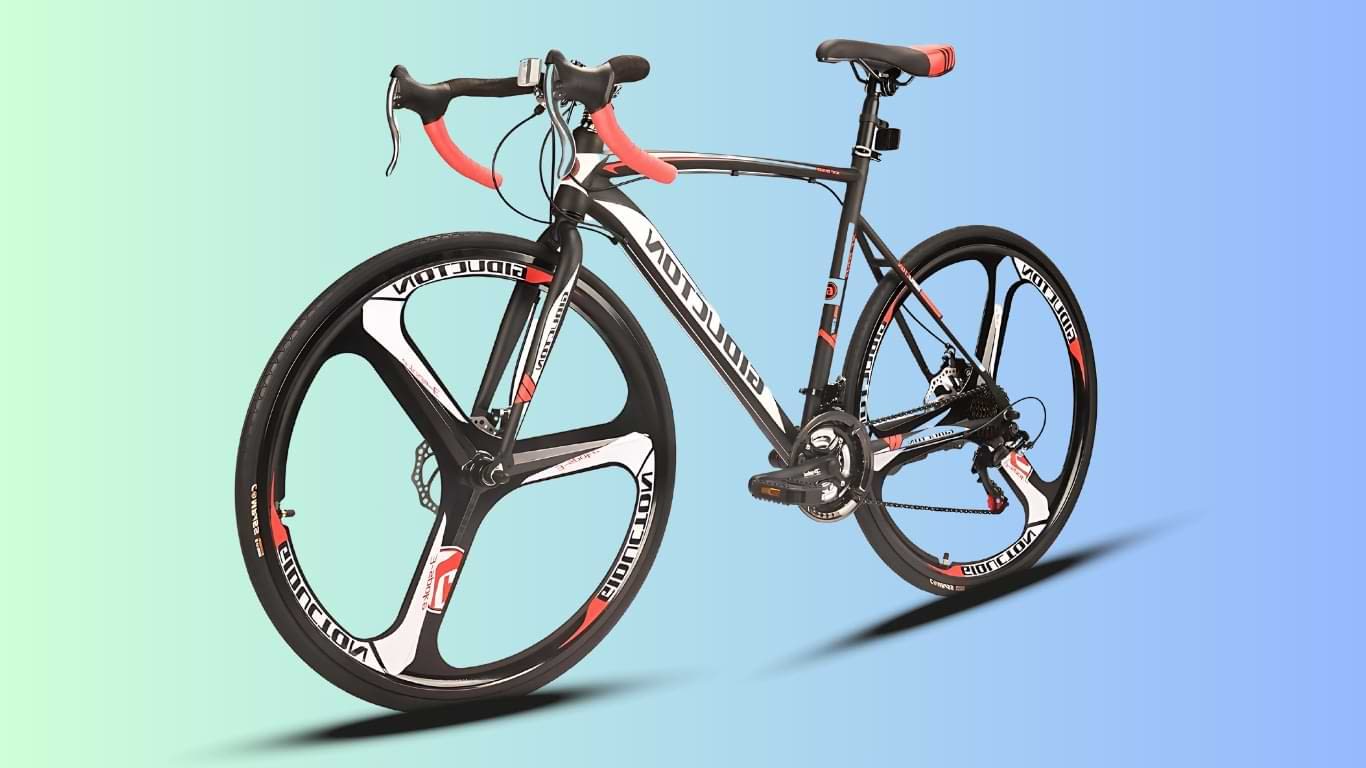
The Eurobike EURXC550 21 Speed Road Bike is an excellent choice for those seeking a fast and smooth ride without breaking the bank, making it one of the best beginner road bikes under $300. This bike features Shimano 21-speed gearing, ensuring quick and precise gear changes. The innovative disc brake system offers stronger, more reliable stopping power compared to traditional V-brakes and doesn’t wear out your tires, ensuring longevity and consistent braking performance. The 700C road bike tires reduce rolling resistance, allowing for more efficient rides with less energy expenditure. Comfort is paramount with the adjustable foam seat and ergonomically designed handles, tailored to fit your body shape for maximum comfort. The frame’s professional competition-grade geometry ensures a smoother ride. Additionally, the bike arrives 85% assembled, requiring minimal effort to set up.
Vilano R2 Commuter Aluminum Road Bike


| Pros: | Cons: |
|---|---|
| > Lightweight aluminum frame > Convenient thumb shifters > Suitable for commuting and fitness | > Partial assembly required > May need professional tuning |
The Vilano R2 Commuter Aluminum Road Bike 21 Speed 700c is a fantastic option for those seeking an entry-level bike for commuting or fitness, making it one of the best beginner road bikes under $300. Built on a lightweight 6061 aluminum frame, it offers a smooth ride with 21 speeds managed by convenient thumb shifters. The bike includes mount points for a water bottle cage, making it ideal for long rides. Its components, such as alloy caliper brakes and a 700c doubled-walled CNC alloy machined wheelset, ensure reliable performance. The assembly requires flipping the stem, installing the front wheel, handlebars, saddle, and pedals, trueing the wheels, and tuning the brakes and derailleurs. While straightforward, assembly requires time and specialized tools, so a professional tune-up is recommended.
Schwinn Volare 1200 Men’s Road Bike


| Pros: | Cons: |
|---|---|
| > Smooth gear shifting > Superior disc brakes > Comfortable hybrid design > Strong alloy rims | > Partial assembly required > Requires specific tools for assembly |
The Schwinn Volare 1200 Men’s Road Bike is an ideal choice for those seeking a quick and agile ride, making it one of the best beginner road bikes under $300. This bike features an aluminum fitness 17-inch frame and rigid fork, providing a lightweight yet sturdy structure, and is suitable for riders between 5’4″ to 6’2″. The Shimano 21-speed EZ-Fire trigger shifters and rear derailleur ensure swift and seamless gear changes, enhancing the riding experience. Equipped with alloy disc brakes, the bike offers superior braking performance, crucial for safety and control. The hybrid design includes a flat-style handlebar and sport riding seat, providing comfort and versatility. Additionally, the high-profile double-wall alloy rims add lightweight strength to the bike. The Schwinn Volare 1200 arrives partially assembled, requiring tools such as a Philips head screwdriver, Allen wrenches, an adjustable wrench, and pliers for cable cutting to complete the setup.
Trinx TEMPO1.0 700C Road Bike
| Pros: | Cons: |
|---|---|
| > Lightweight aluminum frame > Smooth Shimano 21-speed gears > Reliable linear pull brakes > Rear and front suspension for comfort | > Requires assembly |
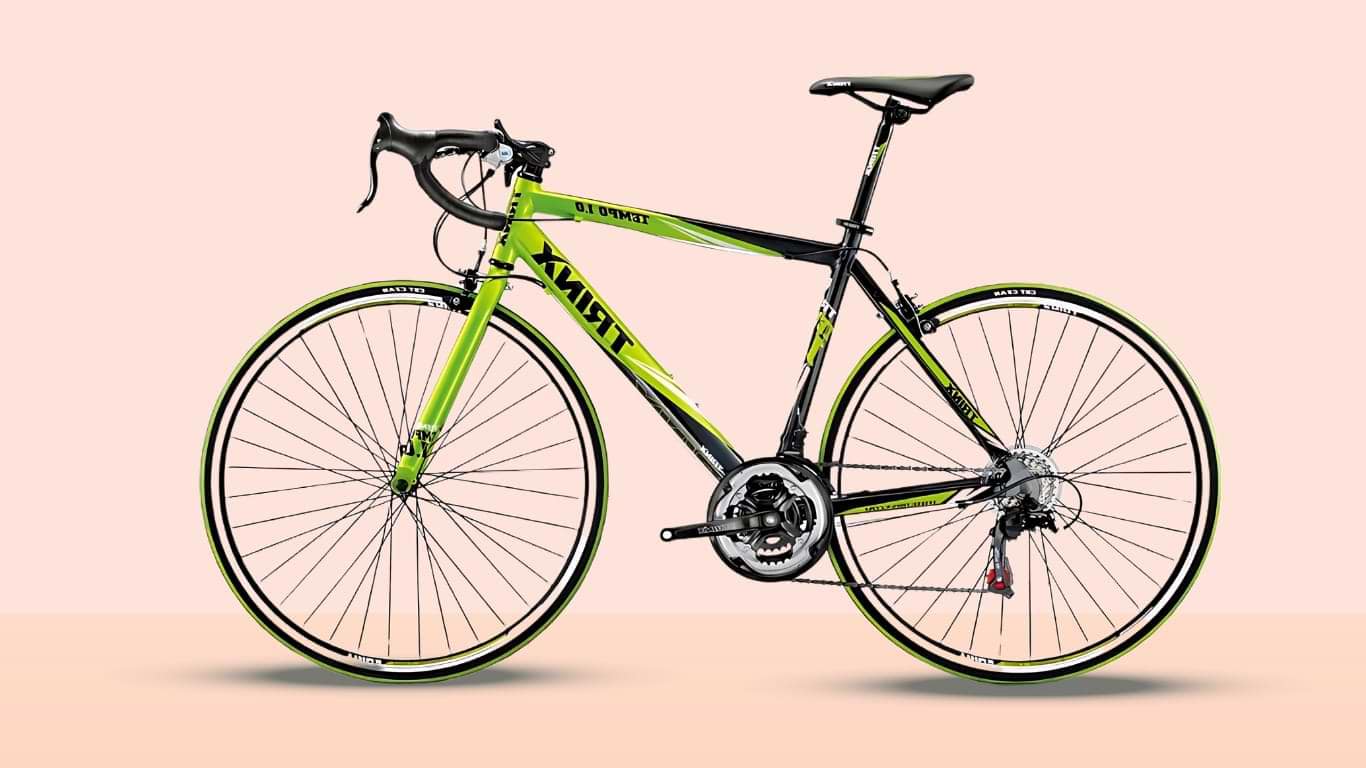
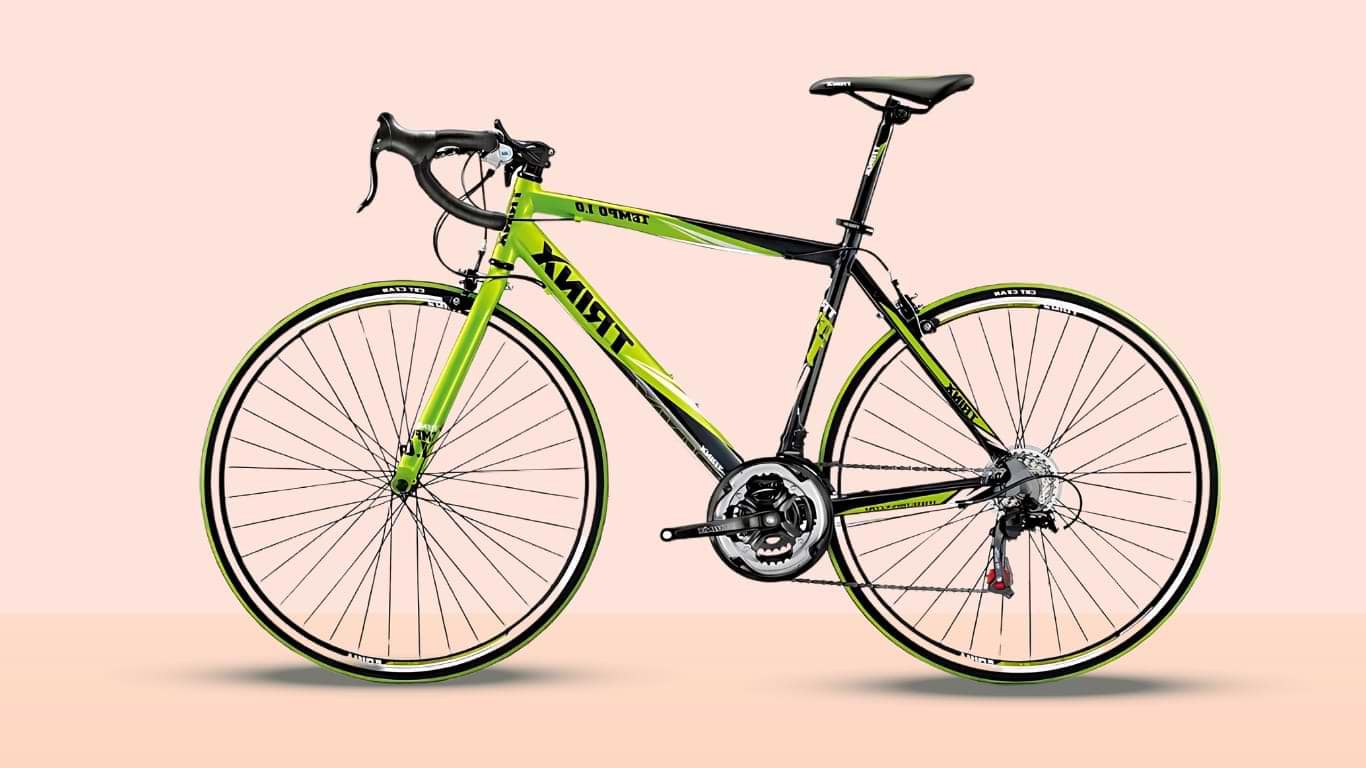
The Trinx TEMPO1.0 700C Road Bike stands out as an exceptional option for anyone seeking the best beginner road bike under $300, blending performance, durability, and value. This 21-speed racing bicycle, equipped with Shimano gears, ensures smooth and precise gear changes, perfect for both novice and experienced riders. Its frame, crafted from a combination of aluminum and alloy steel, offers a lightweight yet robust structure, enhancing both speed and longevity. With rear and front suspension, this bike provides a comfortable and stable ride across various terrains. The inclusion of linear pull brakes ensures reliable stopping power, adding to the overall safety of the ride. Additionally, the bike comes with essential components like a bell and a lock, adding convenience for urban commuting. Available in 53cm and 56cm frame sizes, the Trinx TEMPO1.0 caters to a range of riders, making it a versatile and practical choice for beginners.
Merax Finiss Aluminum 21 Speed Road Bike


| Pros: | Cons: |
|---|---|
| > Lightweight aluminum frame > Reliable Shimano components > Quick-release front wheel > Free pannier bag | > Fork rotation required during assembly |
The Merax Finiss Aluminum 21 Speed Road Bike is an excellent option for those seeking a lightweight yet sturdy ride, making it a contender for the best beginner road bike under $300. Its 6061 aluminum frame ensures smooth riding and easy transport, complemented by Shimano shifters and derailleurs for reliable shifting performance. The quick-release front wheel installation requires no tools, adding to the bike’s user-friendly design, while the aluminum kickstand further reduces its weight. This bike features a 700C steel threadless fork, Kenda 700 x 28C tires, and an aluminum seat post, all enhancing durability and performance. The included free pannier bag is a bonus for added convenience. However, assembly and tuning are required, and you must rotate the fork 180 degrees before assembling the front wheel.
Goplus Road Bike Commuter Bike


| Pros: | Cons: |
|---|---|
| > Lightweight aluminum construction > Sturdy and stable frame > High-performance 700C tires > Vibrant color options | > Assembly required > May need fine-tuning after initial rides |
The Goplus Road Bike Commuter Bike is a standout option for those seeking both style and performance, making it a top contender for the best beginner road bike under $300. Constructed with lightweight aluminum, this bike ensures quick speed and enhanced riding efficiency, perfect for a thrilling racing experience. The sturdy aluminum frame handles tough road conditions, providing stability and comfort with its adjustable handlebars and seat post. Quick-release front wheels make installation, disassembly, and maintenance a breeze, adding convenience for parking and storage. High-performance 700C tires tackle rigorous street racing challenges, while the updated derailleur guarantees a smooth ride. Available in five vibrant colors—black, blue, green, orange, and red—it combines functionality with fashionable appeal.
Comparing the Best Beginner Road Bikes Under $300
When comparing the top beginner road bikes under $300, several key features and specifications stand out across the models. The Eurobike EURXC550 offers a robust 21-speed Shimano gearing system and innovative disc brakes for reliable performance and stopping power. Its ergonomic design and easy assembly make it a user-friendly option.
The Vilano R2 impresses with its lightweight aluminum frame and convenient thumb shifters, though it requires professional tuning for optimal performance. The Schwinn Volare 1200 combines a lightweight aluminum frame with a hybrid design, featuring superior disc brakes and smooth gear shifting, but also demands specific tools for assembly. The Trinx TEMPO1.0 excels with its Shimano gears and dual suspension, offering comfort and safety, alongside essential commuting accessories. The Merax Finiss stands out with its lightweight frame, reliable Shimano components, and user-friendly quick-release front wheel, though it requires careful assembly adjustments. Lastly, the Goplus Road Bike blends style with performance, featuring a lightweight frame and high-performance tires, making it a visually appealing yet practical choice.
Among these, the Schwinn Volare 1200, Eurobike EURXC550, and Merax Finiss emerge as the top three contenders. The Schwinn Volare 1200 provides a balanced mix of performance, comfort, and robust braking. The Eurobike EURXC550 offers excellent value with its advanced braking system and easy setup, while the Merax Finiss stands out for its lightweight build and convenient quick-release features, making it ideal for beginners seeking a blend of ease and efficiency.
Buying Guide: How to Choose the Right Beginner Road Bike
Assessing Your Needs
Understanding your needs is the cornerstone of selecting the perfect beginner road bike. Different uses require distinct features, and knowing your primary purpose will help you make an informed decision.
- Commuting:
- Durability: Commuting bikes must endure daily wear and tear. A robust frame and reliable components are essential to handle the rigors of frequent use.
- Comfort: Long commutes demand a comfortable ride. Ergonomic handlebars, a cushioned saddle, and an upright riding position can make your journey more pleasant.
- Practicality: Features like mounts for racks and fenders are invaluable for carrying bags and navigating various weather conditions. They transform a simple bike into a practical commuting machine.
- Fitness:
- Lightweight Frame: For fitness, a lighter bike is advantageous. It accelerates faster and is easier to handle, making your workouts more efficient. Aluminum frames are often preferred for their light weight and affordability.
- Good Gear Range: Tackling different terrains requires a wide range of gears. A versatile gear system allows you to climb hills and ride at various intensities, enhancing your fitness regime.
- Aerodynamics: Speed enthusiasts benefit from an aerodynamic frame and riding position, which reduce wind resistance and improve performance.
- Leisure:
- Comfortable Ride: Leisure rides are all about enjoyment. A bike with a relaxed geometry offers a more upright and comfortable riding position, perfect for casual outings.
- Ease of Use: Simple gear systems and reliable brakes are key for leisurely rides. They ensure a hassle-free and enjoyable experience.
- Versatility: Leisure bikes should handle various surfaces, from paved roads to light gravel paths. Wider tires and a flexible frame design provide the needed versatility.
Budget Considerations
Sticking to a budget is important, but understanding where to allocate your funds can make a significant difference in your biking experience. Here’s how to approach budgeting for a beginner road bike:
- Setting a Realistic Budget:
- Determine your maximum spending limit, but also identify the minimum amount you’re willing to spend to get a decent quality bike. For a beginner road bike, $250 to $300 is a reasonable range.
- Evaluating Cost vs. Quality:
- Sometimes, spending a bit more can significantly enhance your bike’s quality and longevity. For instance, opting for a slightly higher-end gear system or better-quality tires can improve your riding experience and reduce maintenance costs.
- Long-Term Investment:
- Consider the long-term benefits of investing in a better bike. Higher-quality components often last longer and perform better, making them more cost-effective over time. A bike that costs $320 might offer features and durability that save money on repairs and replacements in the future.
Test Rides
Test riding a bike is one of the most effective ways to ensure it’s the right fit for you. Here’s a detailed approach to making the most out of your test rides:

- Comfort and Fit:
- Ergonomics: Pay attention to how the bike feels. Are the handlebars at a comfortable height? Does the saddle support you well? The bike must be tailored to your body size and riding style.
- Adjustments: Check if the bike allows for adjustments. Can you easily raise or lower the seat and handlebars? Proper adjustments can significantly enhance comfort and performance.
- Handling and Performance:
- Responsiveness: Test how the bike responds to your inputs. Does it accelerate smoothly? How does it handle turns and different speeds?
- Stability: Ensure the bike feels stable at various speeds and on different surfaces. A stable bike is easier and safer to ride, especially for beginners.
- Gear Shifting and Braking:
- Gear System: Test the gear shifting. Are the changes smooth and easy? A good gear system should allow seamless transitions without requiring excessive force.
- Braking System: Check the brakes’ responsiveness. Effective brakes should provide quick stopping power without being too harsh or requiring too much force.
Reading Reviews and Ratings
Online reviews and ratings are invaluable resources for gaining insights into a bike’s real-world performance. Here’s how to effectively use them:
- Identifying Reliable Sources:
- Look for reviews on reputable websites, such as established cycling forums, online retailers with verified purchases, and trusted cycling magazines or blogs.
- Analyzing User Feedback:
- Common Praises: Pay attention to features that multiple users praise. Consistent positive feedback about aspects like comfort, durability, and performance can indicate a reliable bike.
- Common Issues: Look for recurring problems mentioned by users. Issues such as frequent gear malfunctions, uncomfortable saddles, or poor-quality tires should be taken seriously.
- Balancing Pros and Cons:
- No bike is perfect, so it’s essential to weigh the pros and cons. A bike with numerous minor issues but excellent overall performance might still be a good buy, especially if the issues are easily fixable.
- Detailed Reviews:
- Favor reviews that provide detailed experiences over brief comments. Detailed reviews often give a better understanding of the bike’s strengths and weaknesses and how it performs over time.
By carefully assessing your needs, setting a realistic budget, taking test rides, and thoroughly reading reviews and ratings, you can confidently choose the right beginner road bike under $300. This detailed approach ensures you get the best value for your money and a bike that will provide a satisfying and enjoyable riding experience.
How Can I Determine if a Road Bike is the Right Fit for Me?
Determining if a road bike is right for you involves several factors, including fit, comfort, and intended use. Here’s how to make an informed decision:
- Test Ride:
- Whenever possible, test ride the bike. Pay attention to how it feels, how comfortable it is, and how well it handles. A test ride can reveal much more than specifications alone.
- Comfort:
- Ensure the bike feels comfortable during the test ride. The saddle should support you well, and the handlebars should allow for a natural, ergonomic grip. Comfort is crucial, especially for longer rides.
- Handling:
- Assess how the bike handles turns, accelerations, and braking. It should feel stable and responsive. Good handling contributes to a safer and more enjoyable riding experience.
- Fit:
- Check the bike’s size and geometry against your body measurements. The frame size should be appropriate for your height and inseam, and you should be able to adjust the saddle and handlebars to fit your riding style.
- Purpose:
- Consider what you’ll primarily use the bike for. If it’s for commuting, make sure it’s durable and has features like fender mounts. For fitness, look for a lightweight frame and a good gear range. For leisure, prioritize comfort and ease of use.
- Reviews and Feedback:
- Read online reviews and seek feedback from other riders. Real user experiences can provide valuable insights into the bike’s performance, reliability, and potential issues.
By focusing on these factors, you can ensure that the road bike you choose meets your needs and provides a satisfying riding experience, even within the budget of $300.
Maintenance Tips for Your Beginner Road Bike
1. Routine Checks:
- Check Tires: Frequently inspect your tires for signs of wear and tear. Look for any signs of punctures or cracks and ensure they are properly inflated. Correct tire pressure not only ensures a smooth ride but also extends the tire’s life.
- Brake Responsiveness: Squeeze your brake levers and make sure they engage quickly and firmly. Inspect brake pads for wear and replace them if they’re worn out. Properly functioning brakes are crucial for your safety.
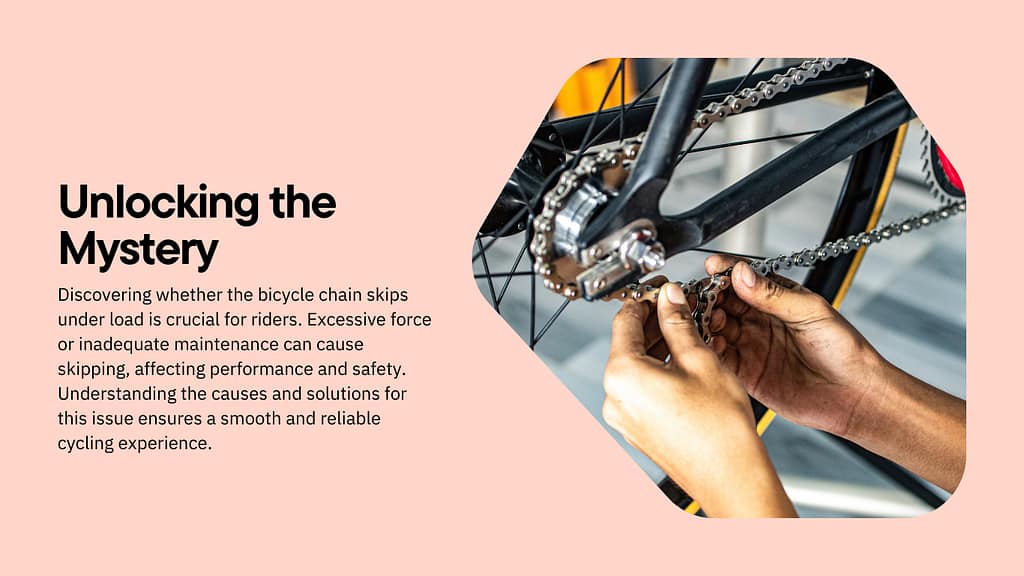
- Chain Maintenance: Keep an eye on your chain. It should be clean, lubricated, and free of rust. A rusty or dry chain can cause poor shifting and excessive wear on other components. Consistent maintenance can stop minor problems from escalating into expensive repairs.
2. Cleaning and Lubrication:
- Regular Cleaning: Give your bike a good clean regularly to avoid dirt build-up. Use a soft brush to gently remove dirt from the frame, wheels, and chain. Avoid using high-pressure water as it can force dirt into bearings and other moving parts.
- Lubricate Moving Parts: After cleaning, lubricate the chain and other moving parts. Use a bike-specific lubricant and apply it sparingly to avoid attracting dirt. Wipe off any excess lubricant to prevent it from accumulating grime.
3. Storage Tips:
- Indoor Storage: Whenever possible, store your bike indoors. A dry, sheltered environment protects it from weather-related damage. If indoor space is limited, consider hanging the bike on a wall mount or using a vertical rack to prevent tire deformation and save space.
- Outdoor Storage: If you must store your bike outside, use a bike cover to shield it from rain and sun. Exposure to the elements can lead to rust and deterioration. Lock your bike securely to prevent theft.
- Seasonal Considerations: During winter or extended periods of non-use, give your bike a thorough cleaning and lubrication before storage. Check tire pressure periodically and spin the wheels to prevent them from becoming misshapen.
By following these detailed maintenance tips, you can ensure your beginner road bike remains in optimal condition, providing a reliable and enjoyable ride for many miles to come.
FAQ:
Aluminum frames are lighter and often preferred for their ease of handling. Steel frames are heavier but offer a smoother ride and more durability. The choice depends on your preference for weight versus ride quality.
For beginners, a bike with 14 to 21 gears is ideal. It provides enough versatility for various terrains without being overly complex. This range allows for efficient pedaling on both flat roads and hills.
Yes, it is possible to find road bikes under $300 with disc brakes, although they might be less common in this price range. Disc brakes offer better stopping power and performance in various weather conditions compared to traditional rim brakes. However, if you find a bike with rim brakes, they can still provide adequate braking performance for beginners and are often easier to maintain.

Pingback: Best beginner road bike under $500