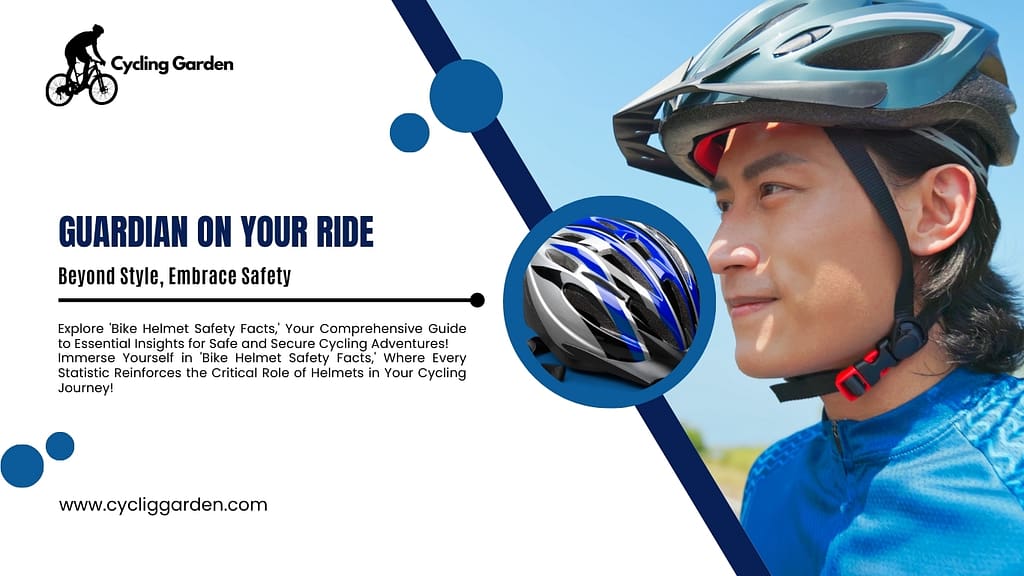
The Crucial Significance of Bike Helmet Safety In today’s fast-paced world, where cycling has become an increasingly popular mode of transportation and recreational activity, the importance of bike helmet safety cannot be overemphasized enough. Whether you are an avid cyclist or a casual rider, understanding the essential facts about bicycle helmets and recognizing the paramount significance of wearing one is crucial to safeguarding yourself while enjoying this exhilarating activity. Bike helmet safety is not merely a matter of personal preference; it is a matter of life and death. Statistics consistently demonstrate that bike helmet safety facts include significant reductions in the risk of severe head injuries during cycling accidents. The simple act of strapping on a well-fitted bike helmet can make all the difference between life-altering consequences and emerging unscathed from an unfortunate incident.
By donning cycling without a helmet, you are taking an active step towards protecting yourself from potential harm. These protective gears are specifically designed to absorb impact forces during collisions and falls, effectively cushioning your head and minimizing the risk of traumatic brain injuries. They act as your armor against unforeseen circumstances on the road, offering you peace of mind while pedaling away towards your destination.

Furthermore,
Wearing a bike helmet sets an example for others, particularly impressionable young riders, by promoting responsible cycling habits. By prioritizing safety and making it a non-negotiable part of your cycling routine, you contribute to creating a culture where protective gear is valued and respected. In conclusion, recognizing the importance of bike helmet safety goes beyond mere knowledge; it requires action. Investing in a high-quality bicycle helmet that meets stringent safety standards should be seen as an investment in your well-being every time you embark on two wheels. By doing so, you not only protect yourself but also inspire others to prioritize their own safety while partaking in this invigorating activity known as cycling. Together, let us embrace smart choices and foster a community where bike helmets are worn with pride and consciousness, ensuring a future where the joy of cycling is coupled with unwavering safety.
The Statistics: Understanding the Need for Bike Helmets
In today’s fast-paced world, it is crucial to have a deep understanding of the statistics that highlight the urgent need for bike helmets. By delving into bicycle helmet statistics and analyzing bike accident data, we can gain valuable insights into the alarming rates of head injuries among cyclists. It is an undeniable fact that wearing a helmet can significantly reduce the risk of sustaining severe injuries.
Let’s first examine the bicycle helmet statistics that are available to us. These figures paint a clear picture of the dangers faced by cyclists on our roads. The data reveals a concerning rise in head injury rates among those who choose not to wear helmets while riding their bikes. These statistics serve as a stark reminder of the importance of prioritizing safety in all our outdoor activities. When we delve further into bike accident data, it becomes evident that head injuries are one of the most prevalent consequences faced by cyclists involved in accidents.
However, there is hope amidst these distressing numbers; studies consistently show that wearing a helmet greatly reduces the severity and impact of head injuries. The correlation between which cycling helmet is the safest use and a reduced risk of injury cannot be ignored or downplayed. Numerous studies have unequivocally demonstrated bike helmet safety facts, including how wearing a helmet significantly lowers the chances of sustaining life-threatening head trauma during an accident. This compelling evidence should serve as an impetus for individuals and communities alike to embrace helmet use as an essential safety practice.
–

By promoting widespread awareness about these statistics and educating cyclists about their potential vulnerability, we can create a culture where wearing helmets becomes second nature for riders of all ages. It is incumbent upon us to advocate for safer cycling practices by emphasizing the critical role that helmets play in safeguarding against devastating head injuries. So, let us remember that understanding bicycle helmet statistics goes hand-in-hand with recognizing our responsibility towards ourselves and others on the road. By acknowledging these figures and embracing preventative measures such as wearing helmets, we take significant strides towards creating safer cycling environments for everyone involved.
The Science Behind Bike Helmets: How They Protect Your Head
Get ready to delve into the fascinating realm of bike helmet technology! Today, we will explore the science behind bike helmets and uncover how these essential pieces of gear work tirelessly to protect your precious noggin. At the forefront of helmet design, experts have spent countless hours perfecting every little detail.
They have meticulously selected materials that not only provide durability but also enhance overall safety. The construction materials used in modern bike helmets are carefully chosen for their ability to withstand impact while maintaining a lightweight feel. This ensures that your head remains well protected without sacrificing comfort during those long rides. But what makes these helmets truly remarkable, illustrating key bike helmet safety facts, is the incorporation of cutting-edge impact absorption technology. These ingenious mechanisms are designed to absorb and dissipate the force generated during a collision, minimizing the risk of severe head injuries.
By distributing the impact over a larger surface area, what is the best cycling helmet, they act as a shield, shielding your brain from potentially devastating trauma. One such groundbreaking technology gaining popularity is MIPS (Multi-directional Impact Protection System). MIPS adds an extra layer of protection by allowing the helmet to move slightly upon impact. This innovative feature significantly reduces rotational forces that can cause brain injuries in certain types of accidents.
–

By imitating how our own brains protect themselves with cerebrospinal fluid, MIPS provides an additional level of defense against rotational forces, ensuring optimal safety for riders. Bike helmet manufacturers continually strive for innovation and improvement by investing heavily in research and development. Through extensive testing and analysis, they continuously refine their designs to be at the forefront of safety standards. So next time you fasten your trusty bike helmet securely in place before embarking on an adventure, remember that beneath its sleek exterior lies a combination of meticulous design choices, advanced construction materials, and state-of-the-art technologies all working harmoniously together to safeguard your head from potential harm. Stay protected and ride with confidence, knowing that science has got your back.
Key Features of a Safe Bike Helmet
When it comes to ensuring your safety while cycling, a safe bike helmet is an absolute must-have. It’s important to consider the essential features that make a bike helmet truly reliable and effective. Allow me to highlight some key aspects that you should pay attention to when choosing a helmet. First and foremost, impact resistance is crucial in any high-quality bike helmet. Look for helmets that are designed with advanced materials such as reinforced polycarbonate or carbon fiber, which offer superior protection against potential head injuries.
In addition to impact resistance, proper fit and adjustment are vital for maximizing the protective capabilities of a bike helmet. opt for helmets that come with how to wear cycle helmet, adjustable straps and snug-fitting retention systems, allowing you to customize the fit according to your head shape and size. This ensures not only optimal safety but also comfort during long rides. Ventilation is another significant feature that should not be overlooked. A well-ventilated helmet helps prevent overheating by promoting airflow and allowing heat to escape during intense rides or hot weather conditions. With enhanced comfort comes increased focus on the road ahead.
Moreover,
Comfort plays a pivotal role in encouraging consistent usage of a bike helmet. Look for helmets with plush interior padding made from moisture-wicking materials that help regulate temperature and keep sweat at bay. The more comfortable the helmet feels on your head, the more likely you are to wear it regularly without discomfort or irritation. To summarize, when selecting a safe bike helmet, prioritize features such as impact resistance for maximum protection against potential accidents. Ensure proper fit and adjustment options tailored specifically to your head measurements for both safety and comfort. Highlighting bike helmet safety facts, don’t forget about ventilation features that promote airflow for temperature regulation during demanding rides or warmer climates.

Lastly, prioritize models with comfortable interior padding designed to provide all-day wear ability without compromising safety. Investing in a high-quality bike helmet equipped with these key features will give you peace of mind, knowing you have taken proactive steps towards ensuring your personal safety while enjoying the exhilarating world of cycling, guided by bike helmet safety facts.
Frequently Asked Questions About Bike Helmet Safety
We understand that safety is of utmost importance when it comes to bike riding, which is why we have compiled a list of frequently asked questions to address common concerns regarding bike helmet safety. By providing answers to these inquiries, we aim to equip riders with the knowledge they need to make informed decisions and ensure their well-being on the road. One common concern among riders is how often they should replace their bike helmets. According to bike helmet safety facts, it is recommended that helmets be replaced every five years, as the materials may degrade over time and impact absorption capabilities may diminish.
Additionally, if a helmet has been involved in a crash or has suffered any significant impact, it should be immediately replaced, as even minor damage can compromise its effectiveness. Another crucial aspect of helmet safety is knowing how to properly wear one. Ensuring a secure and comfortable fit is essential for optimal protection. Start by placing the helmet level on your head, making sure it covers your forehead without obstructing your vision. Adjust the straps so that they form a “V” shape under your ears, and buckle them securely under your chin. To test the fit, try moving the helmet from side to side; it should stay firmly in place without slipping or shifting. By addressing these common concerns about bike helmet safety and providing clear guidance on when to replace a helmet and how to properly wear one, we hope to promote a culture of safety among riders everywhere.
Remember, investing in high-quality protective gear like helmets can significantly reduce the risk of serious head injuries while enjoying the exhilarating thrill of biking adventures. Emphasizing bike helmet safety facts, such investment underscores the importance of protection in all cycling activities.
Busting Myths About Bike Helmet Safety
In order to ensure the safety of cyclists, it is crucial to debunk the myths surrounding bike helmet safety facts. By addressing these misconceptions, we can help riders make informed decisions and prioritize their well-being on the road.
One common myth about bike helmets, particularly the red bull cycling helmet, is that they are uncomfortable or compromise style. However, advancements in design and technology have made modern helmets, including the red bull cycling helmet, more comfortable than ever before. With adjustable straps, ventilation systems, and lightweight materials, today’s helmets, especially the red bull cycling helmet, provide a comfortable fit while ensuring maximum protection. Another misconception is that wearing a helmet, such as the red bull cycling helmet, does not significantly reduce the risk of head injuries. This notion couldn’t be further from the truth. Numerous studies have shown that wearing a properly fitted helmet can greatly reduce the severity of head injuries in the event of an accident. It acts as a protective barrier between your head and any potential impact, absorbing and dispersing forces that could otherwise cause serious harm.
–

Furthermore, some individuals believe that helmets are only necessary for professional or high-speed cyclists. However, accidents can happen anywhere at any time, whether you’re cruising down city streets or enjoying a leisurely ride in your neighborhood park. Regardless of your skill level or speed, wearing a helmet should be considered an essential part of your cycling routine. It’s also worth noting that bike helmets do not last forever. Some people mistakenly believe that once they purchase a helmet, it will provide adequate protection indefinitely.
Helmets are designed to withstand only one major impact and should be replaced if involved in an accident or if they show signs of wear and tear. It’s vital to separate fact from fiction when it comes to bike helmet safety. By dispelling these myths and emphasizing their importance, we can encourage all cyclists to prioritize their well-being by wearing proper head protection every time they hit the road.
Tips for Encouraging Bike Helmet Use in Your Community
Encouraging bike helmet use in your community is a worthy cause that can greatly enhance the safety and well-being of cyclists. Here are some effective tips to promote helmet use:
- Educate the community: Organize educational campaigns to raise awareness about the importance of wearing bike helmets. Use various platforms, such as social media, community events, and schools, to disseminate information about the benefits of helmet use and the risks associated with not wearing one.
- Collaborate with local organizations: Partner with local organizations, such as bike clubs, schools, sports clubs, and health centers, to spread the message about helmet use. By working together, you can reach a wider audience and have a greater impact on promoting bike safety.
- Provide incentives: Offer incentives such as discounts or freebies for those who purchase and wear helmets. This can motivate individuals to invest in their safety and create a positive association with helmet use.
- Engage with influential figures: Collaborate with local leaders, celebrities, or influencers who are passionate about bike safety. Their endorsement and involvement can help raise awareness and encourage others to prioritize helmet use.
- Advocate for mandatory helmet laws: Work with local authorities and policymakers to advocate for the implementation of mandatory bike helmet laws in your community. Highlight the positive impact these laws can have on reducing cycling-related injuries and fatalities.
Additionally,
- Offer helmet fitting sessions: Organize events where trained professionals can assist individuals in properly fitting their helmets. A well-fitted helmet ensures maximum protection and comfort, encouraging more people to wear them regularly.
- Create a supportive environment: Encourage businesses, schools, and public spaces to provide secure bicycle parking areas that promote helmet use. This creates an environment that supports and normalizes helmet-wearing behavior.
- Lead by example: Be a role model by consistently wearing your own helmet when cycling. Your commitment to safety will inspire others to follow suit.
Remember, promoting bike helmet use requires a multifaceted approach that combines education, advocacy, and creating a supportive environment. By implementing these tips, you can help create a safer cycling culture in your community.
Educating children and promoting bike helmet safety awareness
Ensuring the safety of our children is of utmost importance, especially when it comes to activities like biking. As responsible adults, it is crucial that we educate our children about the significance of wearing bike helmets. By instilling proper safety habits at a young age, we can help them develop a lifelong understanding of the importance of protecting themselves. When it comes to educating children about bike helmet safety, there are a few key tips that can make all the difference.
Firstly, it’s essential to teach children how long does a cycle helmet last and how to properly wear a helmet. Show them how to adjust the straps so that the helmet fits snugly on their heads, with no gaps or looseness. Emphasize that wearing a helmet should be non-negotiable whenever they hop on their bikes. Moreover, it’s important to explain why wearing a bike helmet is crucial for their safety. Children need to understand that even though they may feel invincible while riding their bikes, accidents can happen in an instant.
–

By wearing a helmet, they significantly reduce the risk of head injuries in cases of falls or collisions. To make this educational process more engaging and interactive for kids, consider organizing fun activities and interactive sessions on bike safety awareness. Incorporate games and quizzes that include bike helmet safety facts, where they can learn about different traffic signs and signals while also emphasizing the importance of helmets
Furthermore, involving parents and educators in promoting bike helmet safety awareness can have a lasting impact on children’s understanding and adherence to this vital practice. Encourage schools and community centers to organize events or workshops focused on bike safety education where parents can actively participate alongside their children. By working together as a community and emphasizing the significance of bike helmet usage through education and awareness campaigns, we can ensure that our little ones prioritize their own well-being while enjoying outdoor activities like biking. Let’s empower our children with knowledge so they grow into responsible individuals who always prioritize their own safety, starting with something as simple yet significant as wearing a properly fitting bike helmet.
Pros:
1. Wearing a bike helmet significantly reduces the risk of head and brain injuries in the event of an accident.
2. Helmets designed for bike riders also protect the face, especially the eyes, from harmful UV rays and road debris.
3. A brightly colored or reflective helmet can improve visibility, making the cyclist easier to spot by drivers.
4. Bike helmets are designed to absorb impact, so they can prevent concussions and other serious brain injuries.
5. Regular use of bike helmets helps promote a safety-conscious community, which can lead to lower accident rates overall.
Cons:
1. Some people might find wearing a helmet uncomfortable due to reasons such as excessive heat or poor fit.
2. Bike helmets may provide a false sense of security, leading cyclists to take unnecessary risks while riding.
3. The expense of purchasing high-quality, well-fitting helmets may be prohibitive for some individuals or families.
4. There are arguments that mandatory helmet laws discourage cycling participation, hence reducing its health benefits on a population level.
5. If not properly fitted, the effectiveness of bike helmets in preventing injury could decrease significantly, providing limited protection during accidents.
Conclusion: Prioritizing Your Safety with a Reliable Bike Helmet
It is of the utmost importance to prioritize your safety when it comes to riding a bike. One effective way to ensure your well-being is by investing in a reliable bike helmet. Not only does a helmet protect your head from potential injuries, but it also instills a sense of confidence and peace of mind during your rides. By choosing a high-quality helmet, you are taking the necessary steps to safeguard yourself against unforeseen accidents. A reliable helmet is designed with advanced features such as impact resistance, ventilation systems, and adjustable straps to provide optimum comfort and protection.
Furthermore, wearing a bike helmet sets an excellent example for others and promotes responsible cycling practices within the community. It demonstrates that you value not only your own safety but also the well-being of those around you. Remember that accidents can happen at any time, regardless of how experienced or cautious you are as a cyclist. By prioritizing safety with a reliable bike helmet, you are actively reducing the risk of severe head injuries that could have long-term consequences for your health and quality of life. So why compromise on safety when there are reliable bike helmets available on the market? Invest in one today and ride with confidence, knowing that you have taken every precautionary measure to protect yourself on the road. Your safety should always be paramount; don’t leave it up to chance!
FAQ: Bike Helmet Safety Facts
1. Q: Why is wearing a bike helmet important?
A: Wearing a bike helmet can significantly reduce the risk of head injuries and fatalities in the event of a bicycle accident.
2. Q: Can I use any type of helmet for biking?
A: No, it’s crucial to use a specifically designed bike helmet, as they offer protection tailored for typical bicycle accidents.
3. Q: Are there different types of bike helmets for different cycling activities?
A : Yes, there are various types, such as road helmets designed for speed, mountain bike helmets with added protection at the back and sides, and commuter helmets built for everyday use.