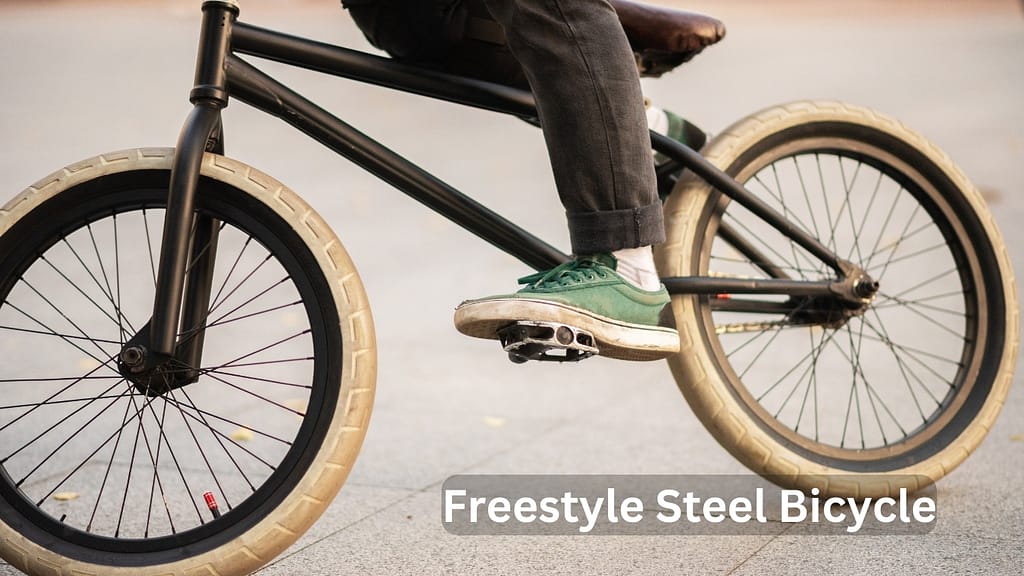
Gaining Insight into the Troublesome Condition of Shin Splints and its Prevalent Causes Shin splints, a term often heard in athletic circles, refer to a painful condition that affects the lower leg area. It is essential to comprehend the definition of shin splints as well as gain knowledge about their common causes. By understanding these aspects, individuals can take proactive measures to prevent and manage this discomforting ailment. To begin with, let’s delve into the precise definition of shin splints. Known medically as medial tibial stress syndrome (MTSS), shin splints manifest as pain along the front or inner edge of the lower leg bone (tibia). “Can cycling cause shin splints” This condition primarily occurs due to excessive stress placed on the muscles, tendons, and bones surrounding this area. Now that we have a basic understanding of shin splints, it becomes imperative to explore their common causes.
One prominent cause is overuse or repetitive strain on the legs caused by activities such as running, jumping, or dancing on hard surfaces for prolonged periods. Individuals who engage in high-impact sports like basketball or soccer are particularly susceptible to developing shin splints due to the constant stress exerted on their lower legs. Furthermore, an abrupt increase in physical activity intensity or duration can also trigger this painful condition, discussing the effects of what cycling does to your legs. Sudden changes in training routines without allowing sufficient time for proper adaptation can put undue strain on the muscles and bones surrounding the shins.
–

Additionally, biomechanical factors play a crucial role in contributing to shin splints. Structural abnormalities such as flat feet or high arches can result in improper alignment and distribution of forces throughout the legs during physical activities. This uneven distribution places excessive stress on specific areas of the shins and increases the likelihood of developing shin splints.
Moreover, inadequate footwear choices can aggravate this condition. Wearing shoes that lack proper cushioning or support fails to absorb shock effectively during exercise sessions. As a result, the impact is transferred directly to the shins, increasing the risk of developing shin splints. Comprehending the definition and common causes of shin splints allows individuals to be more aware of this debilitating condition. By recognizing the activities that contribute to its onset and taking necessary precautions, such as wearing appropriate footwear and gradually increasing physical activity levels, one can significantly reduce their chances of experiencing shin splints.
The Relationship Between Cycling and Shin Pain
Can cycling cause shin splints? Exploring Cycling, an incredibly popular and enjoyable form of exercise, has been known to have a close relationship with shin pain. Specifically, the occurrence of shin splints in cyclists has raised concerns among enthusiasts and professionals alike. The repetitive nature of cycling motion can put stress on the muscles and tendons surrounding the shin area, causing discomfort and pain. It is important to acknowledge that while cycling is generally a low-impact activity, improper technique or excessive intensity can increase the likelihood of developing shin splints. This condition manifests as sharp or throbbing pain along the front of the lower leg, making it essential for cyclists to understand its causes in order to prevent or address it effectively.
One contributing factor to cycling cause shin splints in cyclists is overuse or sudden increases in mileage without proper conditioning. Pushing oneself too hard or too quickly can cause strain on the muscles and tendons around the shins. Additionally, incorrect bike fit, such as improper saddle height or the wrong pedal position, may also lead to increased stress on this vulnerable area. However, it’s important not to be discouraged by these potential pitfalls, including addressing the question, can cycling hurt your knees? By implementing some simple measures into your cycling routine, you can significantly reduce your risk of experiencing shin pain.
–

Firstly, allowing sufficient time for warm-up exercises before hopping onto your bicycle will help prepare your muscles for the forthcoming activity. Proper stretching techniques targeting key muscle groups involved in cycling can also help alleviate tension and prevent unwanted strain on your shins. Incorporating strength training exercises into your fitness regimen will further enhance muscular support in this sensitive area. Moreover, “cycling cause shin splints” ensuring correct bike fit through professional adjustment or consultation with experienced cyclists will be beneficial in optimizing comfort and reducing unnecessary stress on your shins during rides.
Lastly, but certainly not least, listening to your body is paramount when it comes to avoiding or managing shin pain while cycling. If you experience any discomfort during rides that persists beyond normal fatigue, it’s wise to take a break and consult with a healthcare professional. Seeking guidance from a physical therapist or sports medicine expert can help identify any underlying issues and provide appropriate treatment or exercise modifications.
While cycling is an invigorating and rewarding activity, it is crucial to be mindful of the potential relationship between cycling and shin pain. By taking proactive measures such as proper warm-up, stretching, strength training, bike fit optimization, and listening to your body’s signals, you can minimize the risk of developing cycling cause shin splints and enjoy miles of pain-free cycling bliss.
The mechanics of cycling and its impact on the spine
Cycling mechanics do indeed offer a fascinating glimpse into the intricate relationship between our bodies and this exhilarating sport. The impact that cycling has on our shins is a crucial aspect that deserves attention and understanding. As we pedal away, engaging in the repetitive motion that characterizes cycling, our shins bear a significant amount of strain. The continuous flexing and extending of the lower leg can potentially lead to discomfort or even injury if not properly addressed. It is important to be mindful of how this activity affects our lower limbs and take the necessary measures to protect them.
One key factor that influences the strain on our shins is the setup of our bike, including addressing the query, can bike riding help sciatica? Proper bike fit plays a pivotal role in distributing forces evenly throughout the body, minimizing excessive pressure on specific areas such as the shins. A poorly adjusted bike can increase the likelihood of shin pain or other related issues. To ensure optimal comfort and prevent potential shin problems, it is advisable to consult with an experienced cycling mechanic or professional bike fitter. They possess invaluable knowledge about proper bike fit, including saddle height, pedal position, cleat alignment, and handlebar reach, all of which directly impact how your body interacts with your bicycle.
Additionally
Investing in high-quality cycling shoes with adequate support can make a notable difference in protecting your shins during rides. Shoes specifically designed for cycling offer features like stiff soles for efficient power transfer while providing ample cushioning around sensitive areas like the shin. Regular stretching exercises targeted at the calf muscles and Achilles tendons also contribute to maintaining healthy shin function while participating in this dynamic sport. Stretching helps improve flexibility and reduces muscle tightness that may cause undue stress on your shins during extended periods of pedaling.
So, cycling cause shin splints? understanding how cycling mechanics intertwine with the well-being of our shins is crucial for both recreational riders and serious enthusiasts alike. By paying attention to proper bike fit, investing in quality footwear, incorporating stretching routines into your routine, and seeking professional guidance when needed, you can ensure a more enjoyable and injury-free cycling experience.
Possible Factors Contributing to Shin Splints in Cyclists
Can cycling cause shin splints? are a common issue that many cyclists may experience. Understanding the possible factors that contribute to shin splints can help cyclists prevent and address this problem. There are several factors to consider, including cycling technique and form, bike fit, and terrain. By analyzing these factors and making the necessary adjustments, cyclists can reduce the risk of developing shin splints and enhance their overall cycling experience. In this post, we will explore each of these factors in detail and provide practical tips to help cyclists prevent and manage shin splints effectively.
Cycling technique and form:
Mastering the art of cycling involves more than just hopping on a bike and pedaling away. It requires a deep understanding of proper pedaling technique and foot position, both of which play crucial roles in maximizing efficiency, power output, and overall performance. When it comes to pedaling technique, it is essential to maintain a smooth and fluid motion throughout each pedal stroke. Instead of relying solely on raw power, focus on creating a circular motion by engaging different muscle groups. This will not only help you avoid putting excessive strain on specific muscles but also ensure that you are making the most out of every ounce of energy expended.
Moreover, paying attention to foot position is equally important. The ideal placement involves positioning the ball of your foot directly over the pedal spindle. This allows for optimal power transfer while minimizing stress on your joints. It’s worth noting that everyone’s anatomy is unique, so some minor adjustments may be needed to find your personal sweet spot.

By honing your cycling technique and perfecting your foot position, you can significantly enhance your riding experience. Not only will you be able to ride longer distances with less fatigue, but you’ll also tap into an increased level of control over your bike, including considering which cycling cleats are best. So take the time to practice these techniques diligently, as they are key ingredients in becoming a more efficient and successful cyclist.
Bike fit:
Bike fit is an essential aspect of cycling that should never be overlooked. By ensuring that your bike is properly adjusted to your unique body proportions, you can enhance your riding experience in numerous ways. In addition to increasing comfort, a properly fitted bike enhances efficiency, lowers the chance of injury, and increases performance. Regarding bike fit, there isn’t a single size that fits all. Every individual has different body proportions and biomechanics that require personalized adjustments.
By seeking professional assistance from a qualified bike fitter or utilizing advanced technology such as motion capture systems, you can optimize your riding position for optimal power transfer and pedaling efficiency. A proper bike fit takes into account various factors such as saddle height, handlebar reach and drop, cleat position, and overall body alignment. These meticulous adjustments ensure that your body is positioned in a way that minimizes strain on joints and muscles while maximizing power output. Not only does a well-fitted bike improve performance on the road or trail, but it also reduces the risk of discomfort or overuse injuries.
Can cycling cause shin splints? A poorly adjusted bike can lead to knee pain, backaches, numbness in hands or feet, and even chronic conditions like tendinitis or IT band syndrome. By investing time in obtaining a precise bike fit tailored to your individual needs, you can prevent these issues and enjoy miles of pain-free cycling.
Furthermore
A proper bike fit enhances aerodynamics by optimizing your body’s position relative to the wind resistance. This means you can glide through the air with less effort while maintaining speed over long distances. In conclusion, prioritizing a thorough bike fit is crucial for any cyclist looking to maximize their potential on two wheels. Not only does it contribute to increased comfort during rides, but it also improves performance by promoting optimal biomechanics and reducing the risk of injuries. Whether you’re a recreational rider or an aspiring athlete aiming for podium finishes, investing in a professional bike fitting session is a small step that yields significant long-term benefits. So, make sure to get your bike dialed in for your body proportions and experience the transformative power of a perfect fit.
Terrain:
When it comes to conquering challenging terrain, such as riding on uneven surfaces or navigating through excessively downhill trails, having the right equipment is crucial. It’s not just about the thrill of the ride; it’s about ensuring your safety and maximizing your performance. With the advancements in technology, there are now specially designed bikes and gear that cater specifically to these demanding terrains. These purpose-built bikes are equipped with features that enhance stability and control, allowing riders to confidently tackle any obstacles they may encounter. But it’s not just about having the right bike; it’s also about having the skills and knowledge to navigate these terrains effectively, addressing the question, how to train for endurance cycling. This is where experience plays a significant role. Experienced riders understand how to read the terrain, anticipate potential hazards, and adjust their riding technique accordingly.

Additionally, investing in proper safety gear is of utmost importance when venturing into challenging terrain. Helmets, knee pads, elbow guards, and other protective equipment provide an extra layer of security in case of falls or accidents. It’s worth noting that conquering uneven surfaces or excessive downhill trails requires not only physical strength but also mental focus. Riders must remain calm under pressure and maintain concentration throughout their descent. By combining top-notch equipment with well-honed skills and a safety-first mindset, riders can confidently tackle any challenging terrain they encounter. So whether you’re an adrenaline junkie looking for an exhilarating experience or simply seeking new adventures off the beaten path, be sure to equip yourself with everything you need for a successful ride on these demanding terrains.
Overtraining:
Overtraining, can cycling cause shin splints? a common pitfall among fitness enthusiasts, occurs when one pushes themselves to the limit without allowing their body sufficient time to rest and recover. This detrimental practice can sabotage the very goals one is striving to achieve. By not prioritizing adequate rest periods, individuals risk diminishing their performance, increasing the likelihood of injuries, and impeding progress towards their desired fitness outcomes. It is crucial to understand that the body needs time to repair and rebuild itself after intense physical exertion. Without these essential recovery periods, muscles become fatigued and can’t fully regenerate. The result? Decreased strength gains, impaired immune function, and an increased susceptibility to illness or injury.
Furthermore, overtraining can have detrimental effects on mental well-being. Constantly pushing oneself beyond reasonable limits can lead to feelings of exhaustion, irritability, and even burnout. The pursuit of physical excellence should always be balanced with self-care practices that prioritize rest and rejuvenation. To avoid falling into the trap of overtraining, it is important to listen attentively to your body’s signals. Pay close attention to signs of fatigue, such as persistent muscle soreness or decreased performance during workouts. Incorporating regular rest days into your training routine gives your body ample time for recovery and adaptation. In addition to scheduled rest days, incorporating active recovery techniques like stretching sessions or low-intensity activities such as yoga or swimming can help promote circulation and alleviate muscle tension while still allowing for much-needed relaxation.
Remember that achieving optimal results in fitness requires a holistic approach that encompasses both challenging workouts and strategic rest periods. By striking this delicate balance between pushing yourself hard during training sessions while providing ample opportunities for rejuvenation, you’ll be on track towards achieving long-term success in your fitness journey.
Previous injuries or weaknesses:
In order to better understand your situation, it is important to consider any previous injuries or weaknesses that you may have had. These pre-existing conditions can make you more susceptible to experiencing shin splints, a common and often painful condition, while also considering the query, does bike riding help lower back pain? By taking these factors into account, we can develop a more tailored approach to addressing your concerns and finding effective solutions that will help alleviate the discomfort associated with shin splints.

Shin splints in cyclists can be caused by a variety of factors, including improper cycling technique and form, an ill-fitting bike, and the type of terrain being ridden on. It is important for cyclists to pay attention to these factors and make the necessary adjustments to prevent and alleviate shin splints. Additionally, proper warm-up and stretching exercises can also help reduce the risk of developing shin splints. If you are experiencing persistent shin splints, it is recommended that you consult with a healthcare professional for a proper diagnosis and treatment plan.
Tips for Preventing and Managing Shin Splints While Cycling
Shin splints can be a common and painful issue for cyclists, but with the right techniques and precautions, they can be prevented and managed effectively. There are several factors that can contribute to shin splints in cyclists, including cycling technique and form, bike fit, and the terrain you ride on. By addressing these factors and taking proactive measures, you can minimize the risk of developing shin splints and ensure a more comfortable and enjoyable cycling experience. In this post, we will explore some tips for preventing and managing shin splints while cycling, as well as discuss the possible factors that may contribute to this condition. By implementing these tips and understanding the underlying causes, you can maintain optimal performance and reduce the chances of experiencing shin splints.
Tips for Preventing and Managing Shin Splints While Cycling
1. Warm Up and Stretch:
Before starting your cycling session, it is important to warm up your muscles and stretch properly. Focus on stretching your calves, shins, and ankles to help prevent shin splints.
2. Gradually Increase Intensity:
Avoid sudden increases in the intensity or duration of your cycling workouts. Gradually increase your mileage or intensity over time to allow your muscles to adapt and prevent overuse injuries like shin splints.
3. Proper Bike Fit:
Ensure that your bike is properly fitted to your body. A bike that is not adjusted correctly can put extra strain on your lower legs, leading to shin splints. Consult a professional bike fitter to ensure your bike is set up correctly for your body.
4. Strengthen Lower Leg Muscles:
Incorporate exercises that target the muscles in your lower legs, such as calf raises and toe raises, into your regular strength training routine. Strengthening these muscles can help prevent shin splints by providing better support to the shin bones.
5. Cross-Training:
Engage in cross-training activities that help to strengthen your lower body and improve overall fitness. Activities like swimming, yoga, or weightlifting can help reduce the risk of shin splints while cycling.
6. Listen to your body:
Pay attention to any discomfort or pain in your shins while cycling. If you start to feel any symptoms of shin splints, such as dull or sharp pain along the shinbone, reduce your intensity or take a break from cycling to allow your shins to recover.
7. Ice and Rest:
If you do experience shin splints, apply ice to the affected area for 15-20 minutes several times a day to reduce inflammation. Take a break from cycling until the pain subsides, and gradually ease back into your workouts.
8. Proper Footwear:
Wear supportive and cushioned cycling shoes that provide adequate shock absorption and stability. Avoid worn-out or ill-fitting shoes that can contribute to shin splints.
9. Modify Cycling Technique:
Pay attention to your cycling technique and make sure you are using proper form. Avoid excessive toe pointing and try to pedal with a smooth, circular motion to reduce stress on your shins.
10. Seek Professional Help:
If shin splints persist or worsen despite following preventive measures, it is advisable to seek professional help from a sports medicine specialist or a physical therapist. They can provide a proper diagnosis and recommend specific treatment and rehabilitation exercises tailored to your needs.
Pros of the assertion that cycling can cause shin splints:
1. Understanding this potential risk can promote better cycling strategies and techniques, preventing injuries.
2. It raises awareness about the importance of proper gear, like well-fitted shoes and pedals, to prevent shin splints.
3. This knowledge encourages cyclists to include stretching and strengthening exercises in their routine for shin protection.
4. It highlights the significance of balancing different forms of exercise to reduce strain on specific muscle groups.
5. Recognizing this possibility may prompt cyclists to allocate enough recovery time between rides, reducing overuse injuries.
Cons of the assertion that cycling can cause shin splints:
1. Cycling is often recommended as a low-impact sport that should theoretically not cause shin splints if done correctly.
2. The statement might discourage people from choosing cycling as an exercise form due to fear of injuries.
3. It might give the false impression that cycling directly causes shin splints, while other factors like overuse or improper technique can be primarily responsible.
4. For some, it could overshadow the numerous health benefits associated with regular cycling, like improved cardiovascular fitness and weight loss.
5. It tends to overlook individual variations: while some people may experience shin splints from cycling, many others will cycle regularly without developing this condition.
Conclusion: Enjoy pain-free cycling with proper precautions and techniques.
By implementing proper precautions and techniques, you can not only enjoy pain-free cycling but also ensure the overall health and well-being of your lower legs. By taking the necessary steps to prevent shin problems, you can safeguard yourself from potential injuries that may hinder your performance in sports or other physical activities. Embracing these practices will not only enhance your cycling experience but also contribute to maintaining optimal lower leg health. So, gear up, stay safe, and pedal your way to a seamless and injury-free cycling journey!
FAQ: Can cycling cause shin splints?
1. Q: Can cycling cause shin splints?
A: Yes, while it’s less common than in running, intense cycling without proper conditioning or overuse can lead to shin splints.
2. Q: How does cycling contribute to shin splints?
A: Incorrect bike fit, poor pedaling technique, and overtraining can put stress on your shins, leading to shin splints.
3. Q: Should I stop cycling if I have developed shin splints?
A: It’s best to reduce intensity or take a break until the pain subsides, and consider seeking medical advice if symptoms persist.