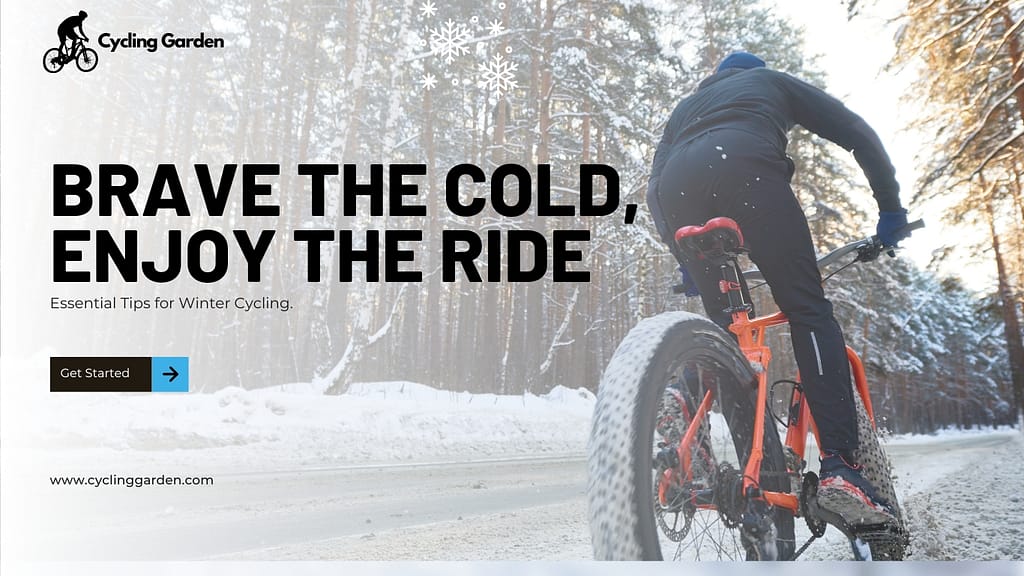
Embracing the Elements: Discover the Rewards of Cold Weather Cycling Are you ready to take your cycling adventures to the next level? While many cyclists prefer warm and sunny conditions, there is a growing community of enthusiasts who have discovered the exhilaration and rewards that come with cold weather cycling tips. In this article, we will explore the benefits of embracing winter riding and why it can be a truly rewarding experience.
Unleash Your Inner Adventurer:
Cycling in the winter opens up a whole new world of adventure. The crisp air, snow-covered landscapes, and serene surroundings create an entirely different atmosphere compared to the hustle and bustle of the warmer seasons. Embrace the elements and let your inner adventurer thrive as you navigate through snowy trails or pedal along frosty roads.
Physical Challenges for Greater Rewards:
Cold-weather cycling presents unique physical challenges that highlight what cycling does to your body and can greatly enhance your cycling skills. Riding in lower temperatures requires increased effort from your body to maintain warmth, resulting in a higher calorie burn compared to warmer rides. Not only will you stay fit during the winter months, but you’ll also build endurance and strengthen muscles that are often neglected during other seasons.
Mental Resilience:
Braving chilly temperatures while pedaling through winter conditions requires mental resilience like no other. As you conquer each kilometer in freezing conditions, you build mental strength by pushing past discomfort and embracing the elements head-on. This newfound resilience can positively impact various aspects of your life beyond cycling.
Serenity Amidst Winter Wonderland:
Imagine yourself gliding through snow-covered forests or pristine countryside under a clear blue sky—an experience that only cold-weather cycling can offer. Escaping from overcrowded routes and enjoying peaceful rides amidst breathtaking winter scenery provides a sense of tranquility that is hard to replicate during busier times of the year.
Stay Ahead of the Game:
By embracing winter riding, you gain a competitive advantage over fellow cyclists who hibernate during the colder months. While others may lose their form and struggle to regain momentum come spring, you’ll maintain your fitness level and be ready to conquer new challenges as soon as the warmer weather arrives. This proactive approach sets you up for success throughout the year.

Cold-weather cycling offers a unique and rewarding experience for those willing to embrace the elements. From physical challenges to mental resilience, there are countless benefits that make winter riding truly special.
Gearing Up for Success: Must-Have Clothing and Equipment for Cold Weather Cycling
When it comes to conquering the challenges of cold-weather cycling and ensuring a successful ride, having the right gear is absolutely crucial. From winter cycling apparel to thermal clothing specifically designed for cyclists, investing in high-quality equipment is essential for both comfort and safety during those chilly rides.
Let’s start with the most fundamental aspect: clothing. Winter cycling apparel is specially crafted to protect you from the biting winds and frigid temperatures. These innovative garments are often made with advanced fabrics that offer exceptional insulation while also allowing your body to breathe. By layering up with moisture-wicking base layers, insulating mid-layers, and windproof outer shells, you can easily regulate your body temperature throughout your ride. Thermal clothing designed exclusively for cyclists takes things a step further. These thoughtfully engineered pieces are tailored to fit snugly and reduce any excess bulk, ensuring maximum efficiency without sacrificing flexibility or mobility. They are often equipped with cutting-edge technologies such as heat retention properties and water resistance features, perfect for unpredictable winter weather conditions.
However, gear for cold-weather cycling goes beyond just clothing. Investing in essential equipment will not only enhance your performance but also guarantee a safe journey on icy roads or snowy terrain. For instance, studded tires can provide much-needed traction on slippery surfaces, while what equipment do you need for cycling lights with powerful beam outputs ensure visibility during those shorter daylight hours. Additionally, don’t forget about protecting yourself from the elements by equipping yourself with accessories such as thermal gloves, toe covers, or shoe covers to keep your extremities warm and dry throughout your ride. A well-insulated helmet liner or balaclava will shield you from the bitter cold while maintaining proper airflow for breathability.
–


Gearing up properly for cold-weather cycling is paramount if you aspire to achieve success in your rides during the winter months. By investing in top-notch cold weather cycling tips apparel that offers superior insulation and breathability alongside essential equipment like studded tires and powerful lights, you’ll be well-prepared to tackle any weather condition that comes your way. Don’t forget to accessorize with thermal gloves, shoe covers, and a helmet liner to ensure maximum warmth and protection.
Maintaining Optimal Body Temperature: Layering Techniques and Clothing Recommendations
Maintaining optimal body temperature during cold-weather cycling, layering techniques, and clothing choices play a critical role. Layering not only helps protect against the biting cold but also allows for flexibility in adapting to changing weather conditions. By understanding how to dress for winter biking, cyclists can ensure they stay comfortable and safe on their rides. One key aspect of layering for cold-weather cycling is choosing the right base layers. These foundational garments are designed to wick away moisture from the skin, keeping you dry and preventing any chilling effect caused by sweat. Look for base layers specifically designed for cyclists, as they often feature strategic ventilation panels and compression properties that enhance performance.
Another important consideration when dressing for winter biking is selecting suitable fabrics. Opt for materials that offer both insulation and breathability, such as merino wool or synthetic blends. These fabrics provide excellent warmth while allowing excess heat and moisture to escape, preventing overheating or discomfort during intense rides. When it comes to actual layering techniques, start with a lightweight base layer followed by a thermal mid-layer that provides additional insulation. This mid-layer can be made of fleece or another warm material that traps heat close to your body. Finally, top off your ensemble with an outer shell that offers windproof and waterproof protection against the elements. Don’t forget about extremities! Keeping hands, feet, and heads warm is crucial during winter biking adventures. Invest in high-quality gloves that offer adequate insulation without sacrificing dexterity. Thermal socks or shoe covers can help keep your feet cozy in colder temperatures.
–

Additionally, wearing a snug-fitting hat or balaclava under your helmet will help retain heat around your head. By implementing these layering techniques and carefully selecting appropriate clothing items made from quality fabrics, you’ll be able to enjoy winter biking without compromising comfort or performance.
Keeping Your Extremities Warm: Strategies to Protect Your Hands, Feet, and Head from the Chill
Despite the winter chill, ensuring that you keep your extremities warm is of utmost importance. The frigid temperatures can be particularly harsh on our hands, feet, and heads. However, fret not! There are numerous strategies and reliable gear options available to protect these vital parts of our bodies during the cycling in hot weather tips season.
When cycling in winter conditions, investing in a pair of high-quality winter cycling gloves is an absolute must. These gloves are specifically designed to provide insulation and protection against icy winds. With their thermal lining and moisture-wicking properties, they effectively keep your hands warm and dry throughout your ride, allowing you to maintain dexterity while gripping the handlebars. To shield your feet from the biting cold during those chilly rides, consider investing in shoe covers specifically tailored for cold weather conditions. These covers act as a barrier between your shoes and the freezing elements, preventing heat loss and keeping your feet comfortably snug. Designed with materials that offer insulation and water resistance properties, they ensure that you can pedal through even the coldest of climates without discomfort or compromised performance. Let’s not forget about protecting our heads, a crucial part of our body when it comes to maintaining overall warmth.
Winter Riding
Luckily for cyclists like yourself, there are an array of headwear options available for winter riding. From thermal skull caps to full-face balaclavas, each option serves its own unique purpose in providing maximum warmth while accommodating helmet usage. By utilizing these strategies and investing in high-quality gear like winter cycling gloves, shoe covers for cold weather rides, and suitable headwear options for cyclists in winter, you can confidently embrace the challenges posed by frosty conditions while keeping your extremities cozy throughout your ride. Remember, prioritizing warmth not only enhances comfort but also ensures safety by minimizing the risk of frostbite or other cold-related injuries.
Safety First: Enhancing Visibility and Dealing with Challenging Road Conditions in Winter
When it comes to cycling in winter, safety should always be the top priority. Enhancing visibility and effectively dealing with challenging road conditions are crucial aspects that every cyclist should consider. With the right knowledge and equipment, riders can confidently navigate through cold weather conditions while minimizing risks.
One way to promote cycling safety in cold weather is by investing in visibility accessories specifically designed for winter riding. These accessories not only help cyclists be seen by motorists but also enhance their own visibility on the road. High-visibility reflective clothing, such as jackets or vests, can significantly increase a cyclist’s presence during low-light situations or snowy weather. In addition to reflective clothing, equipping bicycles with proper lighting systems is vital for riding in winter conditions. Front and rear lights that have a strong beam will not only make cyclists more visible to others but also provide them with better vision of the road ahead. Riding on icy or wet roads requires additional caution and specific techniques to maintain control over the bicycle.
–

Firstly, it’s important to reduce speed and avoid sudden movements or sharp turns that could lead to loss of traction. Keeping a wider distance from vehicles is advisable, as it allows more time for reaction in the event of unexpected skids. Choosing appropriate tires that are designed for winter riding is essential for maintaining grip on slippery surfaces. Tires with deeper treads or studded patterns offer better traction on icy roads, ensuring safer rides even in challenging conditions. Staying alert and aware of potential hazards on the road is crucial during Bike helmet safety facts winter cycling. This includes being cautious of black ice patches, which are often difficult to spot but can cause dangerous slips. It’s recommended to steer clear of puddles, as they may hide potholes or other obstacles beneath them.
Lastly, staying warm and dry while cycling in cold weather contributes greatly to overall safety. Wearing layers that provide insulation against low temperatures while allowing moisture-wicking properties will help prevent discomfort or temperature-related health issues during long rides. By following these tips and investing in the right visibility accessories, cyclists can confidently conquer the challenges of winter riding. Remember, safety should always be a priority, and with proper precautions, winter cycling can be an enjoyable and rewarding experience.
Training and Preparation: How to Stay Fit and Motivated During the Winter
Prepare yourself for a winter fitness journey like no other! As the temperature drops and the chilly winds blow, it can be tempting to hibernate and let your fitness goals slip away. But fear not, my friend, for I have some powerful cold weather cycling tips to keep you fit and motivated during this frosty season.
First and foremost, let’s talk about your training plan. It’s essential to create a robust winter training plan that combines both indoor and outdoor activities. Embrace the beauty of winter cycling by incorporating indoor cycling workouts into your routine. With the convenience of indoor cycling, you can stay on track regardless of what Mother Nature throws your way. But don’t restrict yourself to just one type of exercise! Cross-training is an excellent way to improve your overall fitness during those off-bike days. Engage in activities such as swimming or running to keep those muscles engaged and maintain a well-rounded approach to your fitness regimen. Now, let’s talk about motivation, a crucial aspect of any successful fitness journey.
One effective strategy is joining group rides or virtual challenges. Surrounding yourself with like-minded individuals who share similar goals will not only boost your motivation but also provide a sense of accountability. Together, you can conquer any winter workout obstacle! To enhance your performance and prevent injuries during these cold months, focus on incorporating strength-training exercises into your how to train for endurance cycling routine. Building muscle will not only increase your power on the bike but also help safeguard against potential injuries caused by slippery surfaces or sudden movements.
Lastly,
Don’t forget about proper nutrition and hydration! Just because it’s colder outside doesn’t mean you can neglect these vital aspects of maintaining a healthy lifestyle. Fueling yourself with nutrient-rich foods will provide the energy needed to power through those intense workouts. And remember to drink plenty of water even when temperatures drop—dehydration is sneaky even in wintertime! Embrace this winter season as an opportunity for growth and transformation in both mind and body. With a well-designed training plan, cross-training activities, group rides for motivation, strength training exercises, and a focus on nutrition and hydration, you’ll emerge from winter stronger than ever before.
Cold Weather Cycling Etiquette: Tips for Sharing the Road with Others
Cycling in cold weather isn’t just about staying warm and safe; it’s also about being considerate towards others on the road. By following the proper etiquette, you can ensure a pleasant and harmonious experience for everyone involved. One of the most important aspects of winter cycling etiquette is effectively communicating with hand signals or verbal cues to indicate your intentions. This helps other cyclists, pedestrians, and motorists understand your movements and adjust accordingly. Clear communication creates a sense of trust and safety among all road users.
Another key element is giving extra space when passing or overtaking other cyclists or pedestrians. In chilly weather conditions, it’s crucial to provide ample room for others so that they feel comfortable and secure. This not only prevents accidents but also fosters a cooperative environment where everyone can enjoy their ride. Additionally, avoiding sudden movements or aggressive maneuvers is essential to maintaining peaceful coexistence on the road. Abrupt actions can startle fellow cyclists or pedestrians, leading to potential mishaps.

By being mindful of your surroundings and practicing smooth transitions, you contribute to a more relaxed atmosphere for all road users. Respecting traffic laws and obeying signals should be adhered to rigorously, even in less populated areas during wintry rides. It sets an example for others and ensures consistent behavior on the road. Regardless of how sparse traffic may be in certain regions during colder months, maintaining discipline promotes orderliness and enhances overall safety. By embodying these principles of winter cycling etiquette—effective communication, providing ample space when passing others, avoiding sudden movements or aggression, as well as respecting traffic laws at all times—you become an exemplary cyclist who not only keeps yourself safe but also contributes to the well-being of others on the road.
Maintaining Your Bike’s Performance in Cold Weather: Maintenance Tips and Tricks
As the temperature drops and winter sets in, it’s crucial to keep your bike in top shape to ensure optimal performance. Cold weather can be tough on your bike, leading to rust and corrosion if not properly maintained. But don’t worry! We’ve got you covered with some essential winter bike maintenance tips to help you prevent rust and corrosion during those chilly rides. Read on to learn more!
Clean and dry your bike regularly:
Winter roads can be covered in salt, slush, and debris, which can accelerate rusting. After every ride, make sure to clean your bike thoroughly with mild soapy water and a soft brush or cloth. Pay extra attention to hard-to-reach areas such as the drivetrain, brakes, and frame. Once clean, dry your bike completely to prevent moisture from lingering and causing corrosion.
Apply a protective coating:
Using a protective coating like wax or bike-specific corrosion inhibitors can provide an additional layer of defense against rust. When facing cold weather cycling, applying a tips protective coating to exposed metal parts, such as the frame, fork, and handlebars, is crucial. This barrier prevents moisture and salt from causing rust.
Lubricate moving parts:
Cold temperatures can cause lubricants to thicken or solidify, leading to poor performance and potential damage to moving parts. Use a winter-specific lubricant that is designed to withstand low temperatures. Apply it generously to the chain, derailleur, cables, and other moving parts. Don’t forget to remove any extra lubricant with a wipe after applying.
Store your bike properly:
When not in use, store your bike in a dry and well-ventilated area away from extreme temperature changes. Avoid leaving it outside for extended periods without proper protection. Consider investing in a bike cover or storing it indoors if possible.
Check tire pressure regularly:
Cold weather can cause tire pressure to drop significantly, affecting your bike’s handling and efficiency. Check your tires regularly and inflate them to the recommended levels. Properly inflated tires will not only enhance your bike’s performance but also reduce the risk of damage caused by hitting potholes or other road irregularities.
Inspect and maintain your bike’s components:
Regularly inspect your bike’s components, such as brakes, gears, and cables, for signs of wear and tear. Replace any damaged or worn-out parts promptly to avoid potential safety hazards.
Pros of Cold Weather Cycling Tips:
1. Cold-weather cycling tips provide necessary preparation that ensures safety and comfort during a ride.
2. Such tips can help prevent health problems like frostbite or hypothermia by advising on appropriate clothing and gear.
3. Practical advice, such as how to maintain the bicycle in cold weather, can prolong the life of your equipment.
4. Tips about proper nutrition and hydration are beneficial because they help cyclists maintain their energy levels in harsh conditions.
5. Providing skills for handling different road conditions due to winter weather can enhance a cyclist’s overall riding technique.
Cons of Cold Weather Cycling Tips:
1. Despite following these tips, extreme cold weather can still pose a risk, as elements like wind chill aren’t always predictable.
2. The additional gear recommended can be costly and might not fit everyone’s budget.
3. Preparing for cold-weather cycling based on the provided tips could be time-consuming due to the need for extra preparation before each ride.
4. Some cyclists may find it difficult to adapt their usual routine based on these new guidelines, leading to discomfort or decreased performance.
5. Following these tips doesn’t guarantee against possible mechanical failures caused by freezing temperatures affecting bike components negatively.
Conclusion: Embrace the Season—Mastering Cold Weather Cycling Will Open New Adventures on Two Wheels!
It is imperative to wholeheartedly embrace the season and delve into the world of cold-weather cycling. By mastering the art of pedaling through frosty conditions, you are not only opening yourself up to an array of exhilarating new adventures but also elevating your overall cycling experience on two wheels. So, gear up and prepare to conquer the elements with unwavering determination as you navigate through snow-covered landscapes and icy terrain. Embracing this thrilling challenge will undoubtedly broaden your horizons and push your limits, making you a resilient cyclist who fearlessly embraces every opportunity that comes their way. So, don’t let the cold weather deter you; instead, let it serve as fuel for your passion and ignite a fire within you to explore uncharted territories in your cycling journey!
FAQ: Cold Weather Cycling Tips
1. Q: Should I change my tires for winter cycling?
A: Yes, it is advised to use wider tires with a lower pressure for better grip during winter conditions.
2. Q: How do I prevent my water from freezing on long rides?
A: Use insulated bottles or hydration packs. Alternatively, you can add electrolytes or slightly warm water to delay freezing.
3. Q: Do I need different sunglasses for winter cycling?
A: Yes, clear or yellow-tinted glasses can help enhance contrast and visibility during gloomy winter days or when riding in snow.