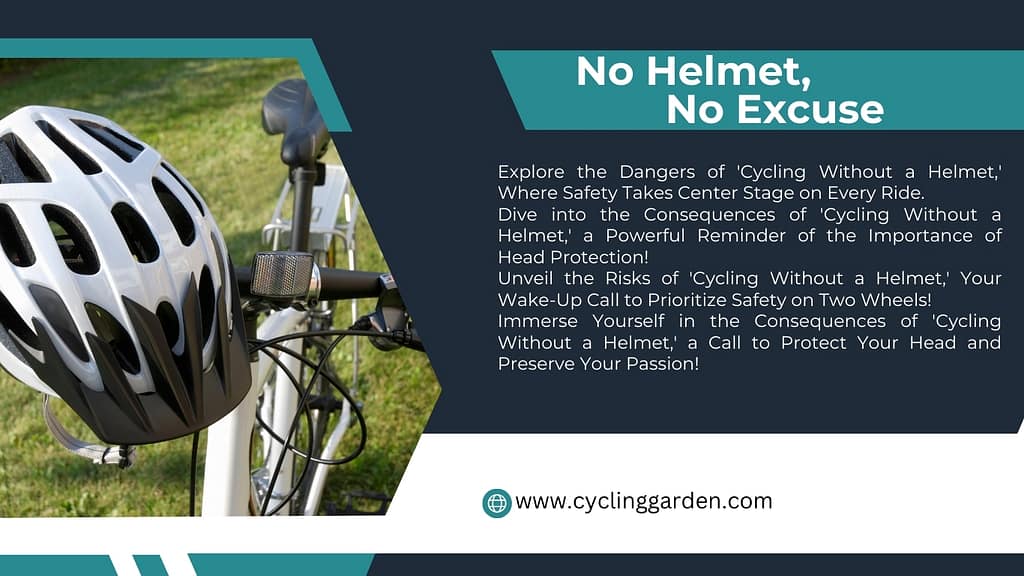
Enhancing Your Safety and Protecting Your Head: The Undeniable Importance of Wearing a Helmet While Cycling Engaging in the invigorating activity of cycling can be an unparalleled source of joy and freedom, allowing you to explore the world on two wheels. However, amidst the excitement, it is crucial not to overlook the paramount importance of prioritizing your safety above all else. Specifically, understanding the risks associated with cycling without a helmet is essential for every cyclist. By conscientiously choosing to wear a helmet during your biking adventures, you significantly enhance your safety measures and safeguard yourself from potential head injuries. With bicycle safety being of utmost significance in today’s fast-paced world, recognizing the immense value that a bike helmet brings becomes imperative. Prevention is always better than cure, especially when it comes to protecting one’s head from potentially severe injuries.

By acknowledging Bike helmet safety facts and wearing a helmet while cycling, you actively participate in reducing the chances of sustaining head trauma or other life-altering accidents. It acts as an indispensable shield against unforeseen circumstances on the road. Moreover, by acknowledging the importance of bike helmets for head injury prevention and overall road safety concerns, you demonstrate your commitment to fostering a culture that values personal protection and wellbeing. You become an exemplary role model for others who may be considering skipping this vital piece of protective gear.
Let us not underestimate the significance of wearing a helmet while engaging in this beloved recreational activity or using our bikes for transportation purposes. By making this simple yet profound choice to prioritize our safety and embrace responsible cycling habits through proper helmet usage, we actively promote personal well-being and contribute towards building safer roads for all cyclists around us.
The Top Reasons Why You Should Always Wear a Helmet When Cycling
Wearing a helmet while cycling is not just a good idea; it is an essential practice that can significantly enhance your safety on the road. There are numerous compelling reasons why you should always prioritize head protection when engaging in this popular physical activity. By wearing a helmet, you are taking proactive measures to prevent bicycle accidents and reduce the risk of sustaining severe brain injuries. One of the most prominent benefits of wearing a helmet is the added layer of protection it provides for your head. Whether you are an experienced cyclist or just starting out, accidents can happen unexpectedly. In such unfortunate events, helmets act as a crucial barrier between your head and potential impacts, effectively minimizing the chances of life-altering injuries.
Furthermore, prioritizing cycling safety by wearing a helmet sets an excellent example for others on the road. It shows that you value your well-being and understand the importance of taking precautionary measures to mitigate the risks associated with cycling accidents. By being an advocate for which riding helmet is the safest and helmet usage, you contribute to creating a culture of safety within the cycling community. Brain injury prevention is another critical aspect worth considering when discussing helmet usage while cycling. The human brain is exceptionally vulnerable and delicate when subjected to sudden impacts or falls from bicycles. Wearing a properly fitting helmet significantly reduces the risk of traumatic brain injuries, which can have long-term consequences for cognitive functions and overall quality of life.
By consistently wearing a helmet during every cycling session, you demonstrate responsible behavior towards yourself and those around you. This simple yet powerful action illustrates your commitment to personal safety and encourages others to adopt similar practices.
1. Protecting Your Head from Impact and Injury
When it comes to ensuring your safety and well-being, protecting your head from impact and injury should be a top priority. One of the most effective ways to achieve this is by using a bicycle helmet. The benefits of wearing a helmet while cycling are numerous and undeniable. First and foremost, wearing a helmet significantly reduces the risk of head trauma. In the unfortunate event of an accident or collision, the helmet acts as a protective barrier, absorbing much of the impact force that would otherwise be directly transferred to your skull. By doing so, it greatly minimizes the chances of sustaining severe head injuries that could have long-lasting consequences.
–

Furthermore, bicycle helmets play a crucial role in preventing skull fractures. The hard outer shell, combined with the inner foam padding, offers an additional layer of defense against any direct blows or strikes to the head. This structural integrity ensures that even if there is an external force exerted on your head, your skull remains safeguarded from fractures. Additionally, another significant benefit of wearing a helmet is its ability to prevent concussions. What is the best cycle helmet? Well, cycling helmets are specifically engineered with advanced design and materials to absorb and distribute forces more evenly across their surface area. This is crucial because concussions occur when there is rapid movement or shaking of the brain within the skull due to sudden impact or deceleration forces. Therefore, the best cycling helmet should effectively reduce the risk and severity of concussions during accidents by efficiently managing these forces.
So, investing in a top-quality bicycle helmet can bring you peace of mind, knowing that you are taking proactive steps towards protecting yourself from potential head injuries. Its benefits extend beyond mere prevention; they provide you with confidence on every ride, knowing that you have taken precautions for your own safety. Remember, protecting your head should always be at the forefront when engaging in any activity where there may be risks involved.
2. Minimizing the Risk of Serious Brain Injuries
To protect ourselves from the potential risks posed by bicycle accidents, there is nothing more important than minimizing the risk of serious brain injuries. Traumatic brain injuries can have long-lasting and devastating effects on an individual’s life, which is why it is crucial to prioritize prevention and cerebral trauma protection. By implementing proper safety measures, such as wearing helmets that meet safety standards, cyclists can significantly reduce the risk of sustaining severe head injuries in the event of an unfortunate accident. These helmets are designed with advanced technology and materials that provide enhanced protection to the most vital organ in our bodies—our brain. Furthermore, raising awareness about the importance of helmet usage and educating both cyclists and motorists about road safety measures can play a significant role in minimizing bicycle accident risks.

By promoting a culture of safety and responsibility on our roads, we create an environment where everyone understands their role, including how to wear cycle helmets, in preventing traumatic brain injuries. It’s worth noting that technological advancements have also played a pivotal role in enhancing cerebral trauma protection. Researchers and engineers continuously strive to develop innovative solutions, such as impact-absorbing materials and smart helmet technologies that provide real-time feedback on potential dangers, including proper techniques for wearing cycle helmets. When it comes to minimizing the risk of serious brain injuries resulting from bicycle accidents, there are multiple avenues we can explore. By prioritizing preventative measures like helmet usage, raising awareness about road safety, and embracing technological advancements aimed at improving cerebral trauma protection, we can work towards creating safer environments for all cyclists while enjoying the many benefits that cycling brings to individuals’ physical health and overall well-being.
3. Setting an Example for Others and Promoting Safety Culture in the Cycling Community
In the realm of cycling, it is crucial to foster a safety-conscious community that prioritizes the well-being of its members. By leading by example in bike safety practices, we can set a standard that promotes a culture of safety within the cycling community. Being safety conscious not only protects ourselves but also instills confidence in others. By adhering to proper safety protocols such as wearing helmets, using reflectors and lights, and obeying traffic laws, we become role models for fellow cyclists. Through our actions, we inspire others to follow suit and create a positive ripple effect. Promoting a safety culture within the cycling community goes beyond just personal responsibility. It involves actively engaging with others and advocating for safer infrastructure and policies.
By collaborating with local authorities, participating in awareness campaigns, and supporting initiatives aimed at improving cyclist safety, we can make a tangible impact on the overall well-being of our community. Furthermore, by sharing our experiences and knowledge about safe cycling practices through workshops or online platforms, including vital information like how long does a cycle helmet last, we empower cyclists with the information they need to make informed decisions regarding their own safety. This open exchange of ideas fosters a sense of camaraderie among cyclists while simultaneously reinforcing the importance of adopting safe habits, including timely helmet replacement. Setting an example for others in promoting bike safety within the cycling community is paramount.
By being proactive in our own adherence to safe practices and actively engaging with others to advocate for improved cyclist safety measures, we create an environment where everyone can enjoy their passion for cycling while feeling secure on the road. Let’s work together to cultivate a culture that prioritizes safety and ensures that biking remains not only enjoyable but also safeguarded for all enthusiasts.
Debunking Common Myths About Helmets and Exploring the Facts
In order to promote safe cycling habits and encourage the use of helmets, it is crucial to debunk common myths surrounding helmet usage. By exploring the facts, we can shed light on the effectiveness of helmets, address concerns regarding comfort and fit, and discuss existing helmet laws and regulations. One prevalent myth related to cycling helmets is that they are unnecessary.
However, extensive research has consistently shown that wearing a helmet significantly reduces the risk of head injuries in the event of an accident. Helmets act as a protective barrier, absorbing impact and dispersing it across a larger surface area, thus minimizing the force exerted on the skull. Another misconception revolves around the effectiveness of helmets in preventing serious head trauma. Some argue that helmets are not capable of providing adequate protection against severe injuries. Nevertheless, numerous studies have proven that helmets are indeed effective in reducing both the severity and frequency of head injuries in cycling accidents. Comfort and fit are also important factors to consider when discussing helmet usage. Many individuals worry about the discomfort or inconvenience associated with wearing a helmet while cycling.
–

However, advancements in design have led to more ergonomic and adjustable options that ensure both comfort and a proper fit for riders of all ages. Furthermore, some people question whether helmet laws and regulations are necessary or effective. Critics argue that such laws infringe upon personal freedom or fail to make a significant impact on overall safety. Nevertheless, countries with mandatory helmet laws have witnessed notable reductions in cycling-related head injuries. Laws requiring cyclists to wear helmets serve as an additional layer of protection by encouraging responsible behavior and promoting awareness about safety measures.
By debunking these common myths surrounding cycling helmets through an exploration of facts based on scientific research and real-life experiences, we can encourage widespread acceptance of their effectiveness and foster a safer environment for all cyclists on our roads.
The Benefits of Wearing a Helmet While Cycling: Protecting Your Head and Preventing Serious Injuries
Wearing cycling lights for your helmet offers numerous advantages that extend far beyond just looking stylish. One of the most significant benefits is the crucial illumination it provides for your head, enhancing your visibility and safeguarding you against potential accidents. By using cycling lights for your helmet, you are actively reducing the risk of collisions and improving your safety on the road, which can have long-lasting and positive consequences.
One of the primary functions of a helmet is to prevent skull fractures or concussions in the event of an accident or collision. The sturdy construction and design of modern helmets act as a barrier between your head and any external impact, absorbing much of the force and shock that would otherwise be transmitted directly to your skull. Moreover, helmets are specifically engineered to distribute the force from an impact across a larger area, minimizing its concentration in any one spot. This significantly reduces the likelihood of severe injuries that could potentially be life-threatening. Additionally, helmets can help protect your brain by reducing rotational forces during an accident. Rotational forces can lead to traumatic brain injuries (TBIs) such as concussions or even more severe conditions like diffuse axonal injuries (DAIs).
–

By incorporating features like rotational impact protection systems (RIPS), some advanced helmets are now capable of mitigating these harmful rotational forces. It’s important to note that wearing a helmet benefits not only experienced cyclists but also beginners, who may be less confident on their bikes. Accidents can happen unexpectedly, regardless of skill level or experience. Therefore, it’s essential for everyone to prioritize their safety by wearing a helmet whenever they ride. In conclusion, donning a helmet while cycling offers invaluable advantages in terms of protecting your head and preventing serious injuries. By reducing the risk of head trauma, preventing skull fractures or concussions, and minimizing rotational forces during accidents, helmets play a crucial role in ensuring our safety on two wheels. So remember, before you hop on your bike next time, make sure to secure your helmet firmly in place for optimal protection throughout your ride.
Tips for Choosing the Right Helmet for Your Cycling Adventures
When it comes to choosing the right helmet for your cycling adventures, there are a few key factors to consider. Let me guide you through the process and give you some helpful tips!
1. Safety First
Your helmet should meet safety standards set by organizations such as the Consumer Product Safety Commission (CPSC) or the European equivalent, EN 1078. Look for these certifications to ensure that the helmet has undergone rigorous testing and meets the necessary safety requirements.
2. Proper Fit is Paramount
A helmet that fits you correctly is essential. Make sure the helmet sits snugly on your head without any excessive movement. It should cover your forehead and sit level on your head, with the straps securely fastened under your chin. Most helmets have adjustable straps and retention systems, so take the time to adjust them properly.
3. Consider Ventilation
Cycling can be an intense activity, so it’s important to choose a helmet with good ventilation. Look for helmets with multiple vents that allow air to flow through, keeping you cool and comfortable during your rides.
4. Different Types of Helmets
There are various types of helmets available on the market, each designed for specific cycling activities:
- Road Helmets:
These are lightweight and aerodynamic helmets suitable for road cycling. They usually have more vents for better ventilation.
- Mountain Bike Helmets:
These helmets offer more coverage and protection at the back of the head. They often feature a visor to shield your eyes from the sun’s glare or debris.
- Commuter Helmets:
Designed for urban cycling, commuter helmets prioritize visibility with features like built-in lights or reflective elements.
- BMX/Skate Helmets:
These helmets provide more coverage around the back and sides of the head, making them suitable for BMX or skateboarding.
5. Try Before You Buy
While online shopping offers convenience, trying on helmets in person is highly recommended. Visit a local bike shop and try on different brands and models to find the one that fits your head shape and feels comfortable. Remember, even the best helmet won’t protect you if it doesn’t fit properly.
Ultimately, your helmet should strike a balance between safety, comfort, and style. Prioritize safety features, ensure a proper fit, and choose a style that suits your cycling adventures. With these tips in mind, you’ll be ready to hit the road or trail with confidence!
Inspiring Stories: How Wearing a Helmet Saves Lives on the Road
Prepare to be amazed by the captivating and inspiring stories of individuals whose lives were miraculously saved on the road, all thanks to the simple act of wearing a helmet. These true tales of bravery and resilience will not only tug at your heartstrings but also serve as a powerful reminder of the importance of helmet use in cycling accidents. Picture this: adrenaline pumping through their veins, wind rushing through their hair—these brave cyclists took to the roads with passion and determination. Little did they know that their lives would be forever changed in an instant. It was during these fateful moments that their decision to wear a helmet made all the difference between life and death.
In one spine-tingling account, we hear from Sarah, an avid cyclist who has always been cautious about safety measures. On a sunny afternoon ride through bustling city streets, disaster struck when a distracted driver abruptly swerved into her path. The impact sent Sarah flying off her bike, but thanks to her trusty camera for cycling helmet, she walked away with nothing more than minor scrapes and bruises. Her story serves as a startling reminder that camera for cycling helmets are not just accessories; they are shields against life-altering injuries. But it doesn’t stop there; each tale is more remarkable than the last. Meet James, an adventurous soul who found himself embarking on an epic mountain biking journey deep in the wilderness.
–

Navigating treacherous terrain proved challenging when he encountered a sudden rockslide that sent him hurtling towards danger. Miraculously, his helmet absorbed most of the impact from falling debris, leaving him with only minor head trauma instead of a catastrophic injury. These personal experiences shared by courageous individuals highlight not only how helmets have transformed potentially fatal incidents into mere bumps in the road but also emphasize how crucial it is for everyone who takes part in cycling activities to prioritize safety above all else.
Furthermore, wearing helmets isn’t limited to professional athletes or seasoned cyclists alone; it is an essential practice that should be embraced by riders of all skill levels. Whether you’re a casual commuter or an extreme sports enthusiast, protecting your head with a helmet is an investment in your well-being and peace of mind. So, let these awe-inspiring stories serve as a rallying cry to all cyclists out there: don’t take chances with your safety. Embrace the power of helmets and join the growing community of individuals who have experienced firsthand how this simple act can mean the difference between life and death. Just a reminder: every time you secure that helmet strap beneath your chin, you’re prioritizing safety and protecting yourself.
Pros of Cycling Without a Helmet:
1. It provides a sense of freedom and comfort, as helmets can sometimes feel restrictive or uncomfortable.
2. There’s no need to worry about helmet hair or disrupting your hairstyle.
3. It’s easier to carry out spontaneous rides without having to remember to bring along a helmet.
4. You can hear the surrounding sounds more clearly without a helmet potentially muffling noises.
5. For short commutes in low-traffic areas, not wearing a helmet might seem more convenient.
Cons of Cycling Without a Helmet:
1. Not wearing a helmet significantly increases the risk of head and brain injuries in cases of accidents.
2. Without a helmet, cyclists are not protected from harsh weather conditions like the sun, rain, or wind.
3. Wearing helmets can make cyclists more visible to drivers, reducing the chance of collisions, so cycling without one increases this risk.
4. It sets a bad example for children and other impressionable individuals who may mimic this unsafe behavior.
5. Some jurisdictions have cycling laws that require riders to wear helmets; ignoring these rules could result in fines or penalties.
Conclusion: Prioritizing Safety by Always Wearing a Helmet While Cycling
It is of utmost importance to place a high priority on safety when engaging in the exhilarating activity of cycling. One essential measure that should never be overlooked is the consistent use of a helmet. By always wearing a helmet while cycling, individuals can greatly minimize the risk of severe head injuries and ensure their well-being on the road. The significance of prioritizing safety cannot be overstated. A helmet acts as an effective protective shield, safeguarding cyclists from potential accidents and reducing the impact of any unfortunate mishaps. It serves as a crucial line of defense against head trauma, which can have lifelong consequences. When it comes to choosing a suitable helmet, there are various factors to consider. Opting for one that meets recognized safety standards, such as CPSC or ASTM, ensures that it has undergone stringent testing and meets rigorous requirements.
Additionally,
Fitting the helmet properly is imperative for optimal protection and comfort. Adjusting straps snugly under the chin and making sure they sit level on the head are key steps in ensuring their effectiveness. By consistently wearing a helmet while cycling, not only are individuals safeguarding their own well-being but also setting a positive example for others. Encouraging friends, family members, and fellow cyclists to follow suit will create a culture where safety becomes ingrained in every biking endeavor. It is important to recognize that accidents can happen unexpectedly, even for experienced riders or on familiar routes. Wearing a helmet mitigates the risks associated with unforeseen circumstances and provides peace of mind during every ride.
So, prioritizing safety by always wearing a helmet while cycling should be ingrained in every cyclist’s mindset. It serves as an indispensable tool for minimizing head injuries and ensuring overall well-being on two wheels. By setting an example for others and advocating for responsible biking practices, we contribute to creating safer roads for all cyclists. So remember: protect your noggin by strapping on your trusty helmet before embarking on your cycling adventures!
FAQ: Cycling Without a Helmet
1. Q: Why should I consider wearing a helmet when cycling?
A: Wearing a helmet when cycling can significantly reduce the risk of head injury or fatality in the event of an accident.
2. Q: Do professional cyclists ever cycle without helmets?
A: Though it might depend on training circumstances, almost all professional cyclists wear helmets during competitions for safety reasons.
3. Q: Can children cycle without helmets?
A: In most jurisdictions, it is required by law that children under certain ages must wear helmets when riding bicycles.