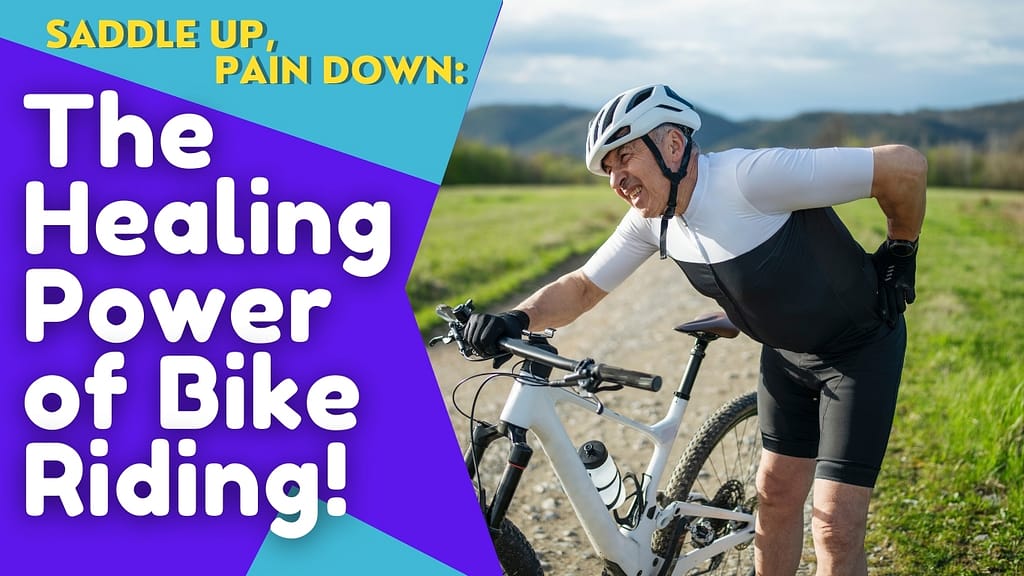
Does bike riding help lower back pain? Exploring the Profound Connection Between Bike Riding and Alleviating Lower Back Pain In today’s fast-paced world, where sedentary lifestyles have become the norm, it is no surprise that lower back pain has emerged as a prevalent issue for many individuals. However, there is a glimmer of hope in the form of bike riding—a physical activity that not only provides immense joy and freedom but also holds remarkable potential for mitigating lower back pain. Have you ever wondered if biking could actually help alleviate back pain? Well, wonder no more! In this article, we delve deep into the intricate relationship between bike riding and lower back pain.
We will explore how cycling can potentially offer respite from this discomforting ailment and shed light on the myriad benefits that bike riding imparts to those struggling with lower back issues. So, without further ado, let us embark on an enlightening journey through the realms of bike riding and its potential to alleviate lower back pain, including can bike riding help sciatica? By the time we reach our destination, you’ll be equipped with valuable insights into how biking can become your trusted ally in combating this nagging ailment.
Can biking help with back pain?
When it comes to finding effective remedies for lower back pain, one might not immediately think of hopping on a bicycle. However, numerous studies have shown promising evidence regarding the positive impact of biking on alleviating such discomfort. Engaging in regular cycling exercises can help strengthen core muscles—essential players in maintaining good posture and reducing strain on your lower back.
Cycling and lower back pain
Understanding the connection To fully comprehend why bike riding can be beneficial for individuals grappling with lower back pain, it is crucial to understand how these two seemingly unrelated entities are interconnected. When you cycle regularly, your body naturally adopts an upright position that promotes proper alignment of your spine. This alignment helps distribute weight evenly across your torso instead of solely focusing stress on your lower back. Moreover, biking also encourages gentle stretching of the muscles surrounding your spine, promoting flexibility and reducing the risk of muscular imbalances that often lead to discomfort. Unveiling the Abundance of Benefits The advantages of indulging in bike riding as a therapeutic measure for lower back pain extend beyond mere pain relief. Let’s take a closer look at some of the remarkable benefits that await those who choose to embark on this physically invigorating journey.
The Advantages of Cycling for Relieving Lower Back Pain
Do you have enough of putting up with bothersome lower back pain? Look no further than the incredible benefits of bike riding for effective lower back pain relief.

Cycling has been proven to be one of the most effective low-impact exercises that can alleviate and prevent back pain. One of the key advantages of choosing bike riding as a form of exercise is its ability to provide gentle yet efficient relief for lower back pain. Unlike high-impact activities such as running or weightlifting, cycling puts minimal stress on your spine and joints, making it an ideal choice for individuals looking to minimize discomfort while maximizing results.
Furthermore, bike riding serves as an exceptional way to strengthen your core muscles, a crucial element in maintaining a healthy back. When you cycle regularly, your abdominal and lower back muscles work together harmoniously to stabilize and support your spine. This not only helps reduce existing pain but also prevents future occurrences by improving overall spinal stability. In addition to being a fantastic low-impact exercise, cycling offers numerous other benefits that contribute to alleviating lower back pain, including the query, can cycling cause shin splints? It promotes proper posture by gently stretching and elongating the spine, relieving tension in the surrounding muscles. Regular bike rides also improve blood circulation throughout the body, leading to enhanced nutrient delivery to spinal tissues and accelerated healing.
Moreover, bike riding is an enjoyable activity that can be easily incorporated into your daily routine. Whether you choose outdoor cycling or indoor stationary biking, it provides an opportunity for stress relief and mental well-being, along with physical fitness gains. The freedom and exhilaration experienced while exploring scenic routes or pedaling away on a stationary bike will surely make your journey towards lower back pain relief both rewarding and enjoyable.
Improving posture:
Enhancing posture is of utmost importance when it comes to maintaining a healthy lifestyle. One effective way to achieve this is through the delightful activity of bike riding. Not only does it provide an enjoyable experience, but it also promotes proper spinal alignment, ensuring that your back remains strong and pain-free. When you ride a bike, your body naturally assumes an upright position, engaging the core muscles and encouraging proper alignment of the spine. The act of balancing on the bike requires you to maintain stability by aligning your head, shoulders, and hips in a straight line. This helps to alleviate stress on your spine and prevent any unnecessary strain or pressure on the vertebrae.
Regular bike riding strengthens not only the core muscles but also the back muscles along the spinal column. As you pedal away, these muscles are continuously engaged, supporting your spine and promoting better posture. This increased muscle strength reduces slouching and encourages an upright position both while cycling and in everyday activities.
Furthermore,
Biking is a low-impact exercise that minimizes strain on joints and ligaments compared to other high-impact activities like running or jumping. This makes it an ideal form of exercise for individuals with existing back issues or those looking for a gentle yet effective way to improve their posture without putting excessive strain on their bodies. In addition to its physical benefits, bike riding also has positive effects on mental well-being. The combination of fresh air, beautiful scenery, and endorphin release during exercise contributes to reduced stress levels and an improved overall mood.
When you feel good mentally, it becomes easier to maintain good posture as well. To maximize the benefits of biking for proper spinal alignment, ensure that your bicycle is properly adjusted to fit your body’s unique proportions, including addressing the question, ‘does bike riding help hip pain?‘ A professional fitting can help fine-tune aspects such as seat height and handlebar position to optimize comfort and promote correct positioning while riding.
Incorporating regular bike rides into your routine can be a game-changer when it comes to improving posture and promoting proper spinal alignment. By engaging core muscles, strengthening the back, and providing a low-impact exercise option, biking offers a holistic approach to maintaining good posture that not only benefits your physical well-being but also enhances your mental health.
Low-impact exercise:
Low-impact exercise has gained immense popularity in recent years, with individuals seeking ways to stay active while minimizing stress on their joints. When it comes to gentle and effective low-impact exercises, biking emerges as a top choice. Not only does biking provide an enjoyable experience, but it also offers numerous benefits for individuals with existing back issues.
One of the key advantages of biking is its gentle nature on the joints. Unlike high-impact exercises such as running or jumping, which can put significant strain on the joints and exacerbate existing back problems, biking provides a smooth and fluid motion that minimizes impact. The circular pedaling motion ensures that the weight-bearing load is distributed evenly across both legs, reducing stress on individual joints and preventing further damage. For individuals struggling with back issues, maintaining proper posture is crucial during exercise. Biking promotes good posture by engaging the core muscles and supporting the natural alignment of the spine. The upright position while pedaling helps to alleviate pressure on the lower back and encourages proper spinal alignment throughout the workout.
—

Furthermore, biking allows for customizable intensity levels, making it suitable for people at various fitness levels or those recovering from injuries. Whether you prefer leisurely rides or more challenging terrain, you have full control over your speed and resistance settings. This adaptability ensures that individuals with back problems can tailor their workouts to their specific needs without compromising their overall fitness goals. In addition to its joint-friendly nature, biking offers a wide range of health benefits. Regular cycling not only improves cardiovascular fitness but also strengthens muscles in the legs, hips, and core—all without placing excessive strain on the back. It can help increase flexibility in these areas while simultaneously boosting endurance levels.
Moreover, engaging in outdoor activities like biking provides mental health benefits as well. It has been demonstrated that being in nature lowers stress levels and enhances general wellbeing. Cycling allows you to explore various scenic routes or even commute to work while enjoying fresh air and the beauty of your surroundings. In summary, biking is an excellent choice for individuals seeking low-impact exercise options, especially those with existing back issues, including the consideration, can cycling hurt your knees? Its gentle nature on the joints, promotion of proper posture, customizable intensity levels, and numerous health benefits make it a compelling option for anyone interested in maintaining an active lifestyle while safeguarding their back health.
Aerobic conditioning:
Aerobic conditioning plays a pivotal role in enhancing overall fitness levels and can have a positive impact on alleviating lower back pain. Engaging in cardiovascular exercises, such as biking, not only provides an effective means of improving cardiovascular health but also contributes to strengthening the muscles that support the spine. By incorporating regular biking sessions into your fitness routine, you can experience numerous physical benefits that indirectly aid in reducing lower back pain. When it comes to cardiovascular exercise, few activities rival the effectiveness of biking.
The rhythmic nature of pedaling stimulates blood circulation throughout the body, promoting oxygen delivery to various muscle groups, including those surrounding the lower back. This increased blood flow enhances nutrient supply and aids in the removal of metabolic waste products, facilitating efficient muscle recovery and reducing inflammation associated with lower back pain.
–

Furthermore, biking is a low-impact exercise that minimizes stress on joints and ligaments while still providing an excellent workout for major muscle groups. By promoting proper posture during cycling sessions, individuals can develop stronger core muscles and better spinal alignment—two crucial factors for maintaining a healthy back and preventing discomfort.
In addition to its physical benefits, biking also offers an array of mental advantages that contribute to overall well-being. Regular aerobic exercise has been shown to boost mood by releasing endorphins, a natural feel-good hormone, thereby reducing stress levels, which are often associated with chronic pain conditions like lower back pain. It is important to note that before embarking on any exercise regimen or attempting to alleviate lower back pain through aerobic conditioning like biking, consulting with a healthcare professional or a qualified fitness expert is highly recommended. They can provide personalized guidance tailored specifically to your needs while ensuring proper form and technique during your workouts. In conclusion, incorporating regular cardiovascular exercise, such as biking, into your fitness routine can significantly improve overall fitness levels and indirectly help alleviate lower back pain.
By promoting proper spinal alignment, strengthening core muscles, increasing blood flow to affected areas, and boosting mood, biking can be an effective component of a comprehensive approach to managing and preventing discomfort in the lower back.
Muscle strengthening:
Muscle strengthening has long been recognized as an essential aspect of maintaining a healthy and fit body. When it comes to pedaling, this activity engages a myriad of muscles throughout the body, including those that support the lower back. By highlighting these specific muscle groups, it is evident that pedaling is not only an enjoyable form of exercise but also an effective way to target and strengthen multiple areas simultaneously. One cannot overlook the importance of engaging the muscles supporting the lower back during any fitness routine.
These muscles play a vital role in providing stability and support to our core, enabling us to perform everyday activities with ease and reducing the risk of potential injuries. Pedaling serves as an excellent method for targeting these muscles, as it involves continuous movement and resistance that directly engages the lower back, and answers the question, when cycling what muscles are used. Beyond just targeting the lower back, pedaling also activates other major muscle groups in our body. The quadriceps, hamstrings, calves, and glutes all experience a significant workout during this activity. As we push down on the pedals with force and pull them back up with control, our leg muscles contract and release repeatedly. This repetitive motion not only strengthens these muscles but also improves their endurance over time.
–

Additionally, let’s not forget about our core muscles! While pedaling primarily focuses on engaging leg muscles, it also requires us to maintain proper posture throughout the activity. In doing so, we naturally activate our abdominal and oblique muscles to stabilize our body while cycling. This unintentional activation of core muscles further contributes to overall strength development. The beauty of pedaling as a muscle-strengthening exercise is its versatility. It can be performed indoors or outdoors on various pieces of equipment, such as stationary bikes or regular bicycles. Moreover, individuals have complete control over their intensity levels by adjusting resistance settings or choosing different terrains when cycling outdoors.
In conclusion, highlighting how pedaling engages various muscle groups in your marketing efforts will undoubtedly capture attention and convince individuals about its effectiveness as a muscle-strengthening exercise. By emphasizing the benefits of targeting lower back muscles along with the engagement of other major muscle groups, you can effectively promote pedaling as a well-rounded workout option for individuals seeking to improve their overall strength and fitness levels.
Considerations When Using Bike Riding as a Means to Alleviate Lower Back Pain
Lower back pain can be a debilitating condition that affects many individuals. While there are various methods to alleviate this pain, one option that is often overlooked is bike riding. However, before embarking on this exercise routine, it is crucial to consider certain factors and take the necessary precautions. This blog post will discuss the considerations when using bike riding as a means to alleviate lower back pain, including the importance of consulting a healthcare professional before starting a new exercise routine.
Bike Fit:
The importance of a proper bike fit cannot be overemphasized enough when it comes to ensuring a comfortable and pain-free cycling experience, especially in the lower back area. An improper bike fit can not only exacerbate any existing discomfort but also potentially cause new issues to arise. When your bike is not properly fitted to your body’s unique proportions and biomechanics, it can lead to increased pressure on the lower back, resulting in discomfort, pain, and even potential injuries. This is because an incorrect saddle height or fore-aft position can put undue strain on the lumbar region, leading to muscle imbalances and excessive stress on the spine.
However, with a precise bike fit tailored specifically to your body’s needs, you can alleviate these concerns and enhance your overall cycling experience. A professional bike fitter takes into account various factors, such as your body measurements, flexibility level, riding style, and any pre-existing conditions or injuries. By adjusting components like saddle height, reach length, handlebar position, and cleat alignment, they ensure that your body is properly aligned throughout the pedaling motion. Not only does a proper bike fit provide comfort by reducing stress on the lower back muscles and joints, but it also optimizes power transfer from your legs through the pedals. This improved efficiency allows you to ride longer distances with less fatigue while minimizing the risk of injury.
—

Investing in a professional bike fitting session may seem like an additional expense; however, when considering the long-term benefits of enhanced comfort, improved performance, and a reduced chance of injuries or chronic pain in the lower back area, it becomes clear that it is well worth it.
So, remember, don’t underestimate the importance of a proper bike fit! It plays a crucial role in maximizing your cycling enjoyment while safeguarding your lower back from unnecessary discomfort or potential harm. Trust in expert guidance to ensure that every pedal stroke is met with optimal support for both your body and cycling goals alike.
Pain management strategies:
When it comes to pain management strategies, it’s crucial to have effective techniques in place to alleviate any discomfort that may arise during or after intensive biking sessions. By implementing these suggestions, you can ensure a more enjoyable and pain-free biking experience.
First and foremost, proper stretching and warm-up exercises are essential before hopping on your bike. This not only prepares your muscles for the physical exertion but also helps prevent injuries and minimizes post-biking soreness. Incorporate dynamic stretches that target the major muscle groups involved in biking, such as the legs, hips, and lower back. During your biking session, maintaining correct posture is key to preventing unnecessary strain on your body. Ensure that your bike is properly adjusted to fit your body measurements and riding style. This will help distribute your weight evenly between the handlebars, seat, and pedals, reducing pressure on specific areas of your body. Investing in high-quality cycling gear can also make a significant difference in pain management. Consider using padded shorts or a gel seat cover to provide extra cushioning for your buttocks and pelvic area.
Additionally
Wearing supportive shoes with proper arch support can alleviate foot discomfort during longer rides. Hydration plays a crucial role in pain management as well. Make sure to drink plenty of water before, during, and after biking sessions to keep yourself properly hydrated. Dehydration can lead to muscle cramps and exacerbate any existing discomfort. After completing a biking session, don’t forget about post-ride recovery techniques. Engaging in gentle cooldown exercises like walking or light stretching helps gradually bring down your heart rate while aiding in muscle recovery by flushing out lactic acid buildup. Applying cold compresses or taking an ice bath can help reduce inflammation and soothe any sore muscles post-biking.
Alternatively, consider using heat therapy through warm showers or heating pads for stiff joints or tight muscles. It’s important to listen to your body’s signals throughout the entire process. If you experience persistent or severe pain, it’s advisable to consult with a healthcare professional or a sports medicine specialist who can provide further guidance and personalized strategies for pain management.
Biking technique:
Mastering the art of biking technique is pivotal for any cycling enthusiast. Not only does it enhance your performance and efficiency, but it also plays a crucial role in safeguarding your lower back from unnecessary stress and discomfort.

By maintaining proper form and posture, you can minimize the risk of injuries while maximizing your enjoyment on those exhilarating rides. One essential tip to keep in mind is to ensure that your bike is properly fitted to your body measurements. This will help you achieve optimal alignment, reducing strain on your lower back. Additionally, pay attention to the position of your hips while pedaling; aim for a neutral pelvic tilt to maintain a neutral spine. Another key aspect of proper biking technique is engaging your core muscles. By keeping them activated throughout the ride, you provide stability and support to your lower back, preventing excessive strain or fatigue, and understand what cycling does to your legs.
Maintaining a relaxed grip on the handlebars is equally important. It helps distribute weight evenly between the upper body and the lower body, reducing pressure on the lower back region. Remember, a gentle and controlled grip allows for better control over rough terrain and unexpected surprises along the way. Furthermore, don’t forget about proper cadence—that perfect rhythm between pedal strokes. Maintaining an efficient cadence not only optimizes power transfer but also minimizes strain on individual muscle groups, including those in your lower back. Lastly, incorporating regular stretching exercises into your routine can greatly contribute to maintaining flexibility and preventing muscle imbalances that can lead to discomfort or injury. Focus specifically on stretches targeting hip flexors, hamstrings, quadriceps, and glutes—all areas that influence proper posture while cycling.
Other exercises and therapies:
In addition to biking, there are a plethora of exercises and therapies that can greatly contribute to the management of back pain. By incorporating complementary activities into your routine, you can enhance the effectiveness of your pain management efforts and expedite your recovery process. One highly recommended complement to biking is swimming. Engaging in regular swimming sessions not only provides a low-impact cardiovascular workout but also helps strengthen the muscles in your back, thereby reducing strain on the affected areas. The buoyancy of water also alleviates pressure on the spine, allowing for gentle movements that promote flexibility and joint mobility. Yoga and Pilates are two other excellent options for individuals seeking additional support for their back pain management.
Both practices emphasize core strength, posture alignment, and flexibility—all crucial elements in maintaining a healthy back. The controlled movements and stretching involved in these practices can help alleviate muscle tension and improve overall spinal stability. For those who prefer alternative therapies, acupuncture has shown promising results in relieving back pain symptoms. Thin needles are inserted into particular body points in this age-old Chinese technique to encourage energy flow and advance healing. Many individuals have reported significant reductions in pain levels after undergoing acupuncture sessions. Massage therapy is another popular choice when it comes to managing back pain. Skilled massage therapists can target specific muscle groups, release tension knots, improve blood circulation, and promote relaxation throughout the body.
pain management
Regular massages not only provide temporary relief but also contribute to long-term pain management by preventing muscle imbalances from developing. It’s important to note that while these exercises and therapies can be beneficial additions to your routine, it is crucial to consult with a healthcare professional or licensed therapist before beginning any new activities or treatments. They will be able to assess your individual condition and provide personalized recommendations tailored specifically to your needs. By incorporating these complementary activities alongside biking as part of your back pain management plan, you are taking proactive steps towards achieving optimal well-being while enjoying an active lifestyle. By implementing these tips into your biking routine, you’ll not only enhance your overall performance but also ensure a comfortable ride free from unnecessary stress on your lower back.
Pros of does bike riding help lower back pain:
1. Bike riding strengthens the muscles in your lower back, which can contribute to reducing chronic lower back pain.
2. It improves overall posture, which is beneficial for those suffering from lower back pain, as poor posture often exacerbates this issue.
3. Cycling increases blood flow and oxygen supply to the muscles and tissues of the lower back, promoting healing and reducing stiffness.
4. Regular bike riding can help with weight management, thereby decreasing the strain on the lower back that excess weight can cause.
5. Biking helps improve flexibility and range of motion in the hip area, reducing pressure on the lumbar spine.
Cons of does bike riding help lower back pain:
1. Poorly fitted bikes or improper cycling techniques may worsen lower back pain due to awkward positioning or overstraining of muscles.
2. High-intensity training or prolonged periods of biking without adequate rest could lead to fatigue and increase vulnerability to injuries, including lower back pain.
3. Cycling on uneven or rough terrain may cause jarring movements that could intensify existing issues with one’s lower back.
4. Biking does not strengthen all core muscles uniformly, potentially leading to imbalances that could contribute to low-back discomfort over time.
5. Individuals with severe cases of spinal conditions like herniated discs might find biking aggravates their symptoms rather than alleviating them due to increased spinal pressure during pedaling.
Conclusion: Incorporating Bike Riding into Your Lower Back Pain Management Plan
Incorporating bike riding into your lower back pain management plan can be highly beneficial. Cycling is a low-impact form of exercise that helps to strengthen the muscles in your lower back and improve flexibility. It can also be used as a part of physical therapy to aid in the recovery process. By integrating biking into your exercise routine, you can experience reduced pain and improved overall fitness. Remember to start slowly and gradually increase your intensity and duration to avoid any potential strain or injury. Consult with a healthcare professional or physical therapist to ensure that biking is appropriate for your specific condition and to receive personalized guidance on incorporating it into your pain management plan.
FAQ Of does bike riding help lower back pain
1. Q: Can bike riding alleviate lower back pain?
A: Yes, cycling can help reduce lower back pain due to its low-impact nature and ability to strengthen the muscles that support your spine.
2. Q: Can I exacerbate my lower back pain if I ride a bike incorrectly?
A: Yes, improper cycling form or using a poorly-fitted bike can potentially worsen your back pain.
3. Q: Are there certain precautions I should take while cycling to prevent aggravating my lower back pain?
A: Regular breaks, maintaining proper form, and using appropriate bike sizes and settings are important precautions to take when you have lower back issues.