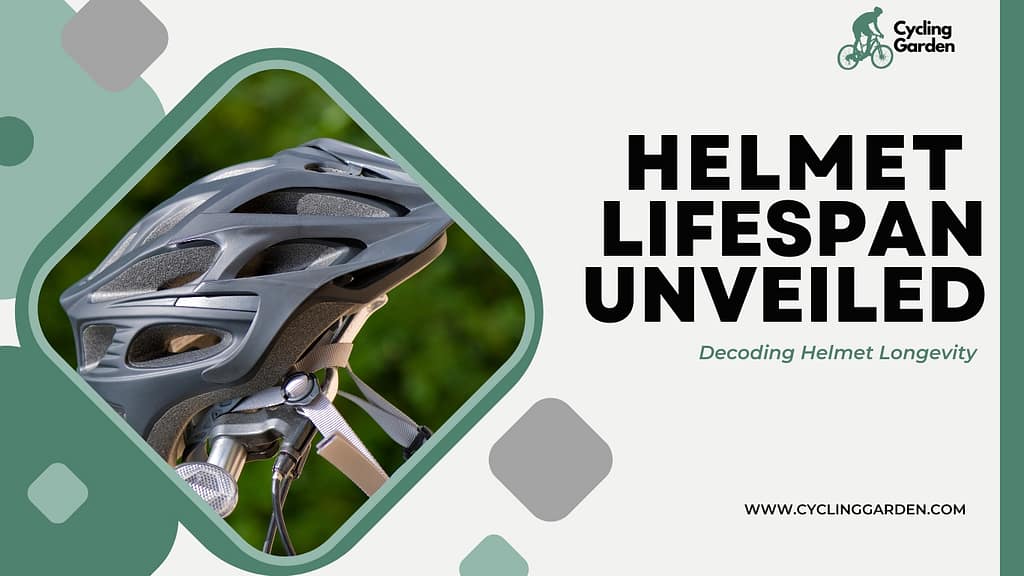
Enhancing Safety and Ensuring Longevity: Unveiling the Importance of Helmet Safety and Understanding its Lifespan In today’s fast-paced world, where cycling has become an increasingly popular mode of transportation and a beloved recreational activity, helmet safety has emerged as a paramount concern. The significance of safeguarding oneself while enjoying freedom on two wheels cannot be overstated. This introduction sheds light on the critical aspects surrounding helmet safety, emphasizing the importance of durability and understanding ‘how long does a cycle helmet last’, the lifespan of these protective gears.
Cycle Helmet Lifespan:
A Matter of Utmost Significance When it comes to your safety on a bicycle, having a reliable helmet is essential. However, what many cyclists tend to overlook is that helmets aren’t meant to last forever. Over time, factors such as wear and tear, exposure to elements, and even minor accidents can compromise their effectiveness. Thus, comprehending the lifespan of your helmet becomes crucial to ensuring optimum protection.
Helmet Safety:
Beyond Saving Lives Bike helmet safety facts show that the concept of helmet safety transcends mere accident prevention; it is about preserving lives. A well-fitted and properly maintained helmet acts as a shield against potentially life-altering head injuries. By investing in a high-quality helmet that meets industry standards for impact resistance and durability, you take an active step towards safeguarding yourself from potential harm.

Bicycle Helmet Replacement:
A Timely Decision Knowing when it’s time to replace your cycle helmet can make all the difference in maintaining optimal safety levels. While helmets may appear intact externally, internal damage might remain undetectable without careful inspection or regular evaluation by professionals. Staying informed about recommended replacement intervals ensures that you’re always equipped with gear that delivers maximum protection.
The Importance of Helmet Durability:
Raising the Bar for Safety Standards Durability stands at the forefront when considering any cycling gear investment—helmets are no exception! Manufacturers continue to innovate by using state-of-the-art materials that enhance the durability of helmets, offering superior protection and a prolonged lifespan. Prioritizing helmet durability not only ensures longevity but also guarantees that your safety is never compromised.
Cycling Safety:
As you increase both the frequency and intensity of your rides, you naturally exert more stress on various helmet components over time, including straps, padding, ventilation systems, and outer shells. Although designed for durability, helmets can gradually degrade in their protective capabilities with continuous exposure to intense riding conditions.
The Lifespan of Cycle Helmets: Factors that Impact Durability
When it comes to cycling helmets, durability is a crucial factor to consider. After all, your helmet is responsible for protecting your head in the event of a crash or accident. But have you ever wondered how long a bicycle helmet actually lasts? What factors can impact its durability? In this blog post, we will explore the lifespan of cycle helmets and discuss the various factors that can affect their durability, even when cycling without a helmet. By understanding these factors, you can make informed decisions about when to replace your helmet and ensure that you are always riding with optimal protection. So, let’s dive in and explore the lifespan of cycle helmets and the factors that impact their durability..
1. Material Quality and Construction
When it comes to helmet safety, the quality of materials used and the construction techniques employed play a crucial role. The choice of helmet materials can significantly impact its overall performance and effectiveness in protecting the wearer. Manufacturers utilize cutting-edge materials specifically designed for impact resistance to ensure their helmets provide optimal protection in accidents or collisions. One commonly used material in helmet construction is EPS foam (expanded polystyrene). Known for its lightweight yet robust nature, EPS foam absorbs and disperses impact energy, effectively reducing the risk of head injuries. Extensively tested, EPS foam has proven to provide excellent shock absorption properties, making it a popular choice among helmet manufacturers.

However, when determining what is the best cycling helmet, the quality of construction also plays a crucial role, not just the materials used. Using precise manufacturing techniques ensures that helmets are built to withstand rigorous impacts without compromising their structural integrity. High-quality construction techniques involve strong bonding agents, reinforced straps, and meticulous attention to detail throughout the assembly process.
By prioritizing material quality and employing superior construction techniques, manufacturers can produce helmets that meet or exceed industry safety standards. This not only instills confidence in users but also provides them with peace of mind, knowing they have reliable protective gear on their heads. Investing in a helmet crafted with top-notch materials and impeccable construction quality is an investment in your safety. Whether you’re biking down mountain trails or riding motorcycles on busy roads, equipping your helmet with advanced materials and excellent construction gives you the utmost confidence as you embark on your adventures or commute to work each day.
2. Frequency and Intensity of Use
The frequency and intensity of your rides play a crucial role in determining not only your overall performance but also the wear and tear on your trusty helmet. By understanding the importance of finding the perfect balance between frequency and intensity, you can ensure a safe and enjoyable cycling experience. Firstly, let’s talk about frequency. The more frequently you hit the road or trail on your bicycle, the greater opportunity you have to improve your skills, build endurance, and maintain an active lifestyle. Regular cycling sessions can help strengthen your cardiovascular system, tone muscles, and even boost mental well-being. However, it is essential to strike a balance between consistent rides without overdoing it to avoid burnout or potential injuries. Equally important is the intensity of your rides. Intensity refers to how hard you push yourself during each cycling session.
Moreover,
By varying intensities between easy-paced rides for recovery and harder efforts for training purposes, you can enhance your fitness level while minimizing fatigue or excessive strain on your body. It’s crucial to listen to your body’s signals and adjust intensity accordingly. Now let’s discuss how these factors relate specifically to helmet wear and tear. As you increase both the frequency and intensity of your rides, you naturally exert more stress on various components of your helmet over time, including straps, padding, ventilation systems, and even outer shells. Although helmets are designed for durability, continuous exposure to intense riding conditions can gradually degrade their protective capabilities. To counteract this natural degradation process effectively, regular inspection of your helmet becomes necessary.
Check for any signs of cracks or damage that may compromise its integrity after every ride—especially after high-impact falls or accidents—regardless of whether they resulted in visible external damage or not. By carefully balancing both frequency and intensity in our cycling routines, we can maximize our performance potential while minimizing any negative effects on our trusty helmets. Remember, prioritizing safety should always be at the forefront of any cycling endeavor, regardless of how frequently or intensely we ride.
3. Proper Maintenance and Care
Ensuring the proper maintenance and care of your helmet is crucial not only for its longevity but also for your safety, especially when considering how to wear cycle helmet. By following these helpful tips, you can keep your helmet in optimal condition, guaranteeing its effectiveness in protecting you. First and foremost, regular cleaning is essential to maintaining the functionality and appearance of your helmet.

Using a mild soap or specialized helmet cleaner, gently wash the exterior shell and inner padding. Avoid using harsh chemicals that could potentially compromise the integrity of the materials. When it comes to storage, finding a suitable location is key. Ideally, choose a cool and dry area away from direct sunlight or extreme temperatures. This will prevent any potential damage caused by prolonged exposure to heat or UV rays. To further protect your investment, consider investing in a quality helmet bag or case specifically designed for storage purposes. This will shield it from any accidental bumps or scratches when not in use.
Additionally, it’s important to regularly inspect your helmet for any signs of wear and tear. Look out for cracks, loose straps, or damaged padding that may compromise its effectiveness. If you notice any issues, promptly address them by either replacing parts or consulting with a professional. Remember that helmets are designed to provide maximum protection during impact; therefore, you should handle them with care and avoid dropping or mishandling them unnecessarily. By diligently following these maintenance and care tips, you can ensure that your helmet remains reliable throughout its lifespan while enjoying peace of mind knowing that you are doing everything possible to safeguard yourself on every adventure you embark on.
Knowing When to Replace Your Cycle Helmet: Signs of Wear and Tear
Cycling is a popular and enjoyable activity for many people. However, it is important to prioritize safety while riding, and one essential safety measure is wearing a helmet. Over time, helmets can become worn out and damaged, compromising their ability to protect your head in case of an accident. In this blog post, we will discuss the signs of wear and tear to look out for in your cycle helmet, as well as the importance of replacing it when necessary. By being aware of these signs, you can ensure that you are always wearing a helmet that is in optimal condition, providing you with the best possible protection while cycling.
1. Visible Damage or Cracks on the Shell or Inner Liner
When it comes to assessing the condition of a shell or inner liner, visible damage or cracks should not be taken lightly. These signs of wear and tear may indicate a deteriorated shell condition or significant damage to the inner liner. It is crucial to address these issues promptly, as they can compromise the integrity and safety of the structure, especially with a red bull cycling helmet. By carefully inspecting the shell for any visible damage, such as cracks, dents, or holes, you can proactively identify potential weaknesses that could lead to further deterioration. Additionally, paying close attention to the inner line is equally important. Any signs of damage within this protective layer should be taken seriously, as they play a vital role in preserving the structural integrity of the object.

Neglecting these warning signs could have severe consequences and result in costly repairs or even accidents down the line. Therefore, we highly recommend seeking professional assistance to evaluate and address any visible damage or deterioration affecting either the shell or inner liner. By promptly addressing these issues using appropriate repair techniques and materials, you can ensure that your structure remains safe and resilient for years to come. Don’t underestimate the importance of maintaining a structurally sound shell and an intact inner liner; they are key elements in preserving both functionality and aesthetics.
2. Loose or Broken Straps and Buckles
When it comes to the functionality and safety of any product, one cannot overlook the significance of sturdy straps and reliable buckles. However, over time, these vital components may experience wear and tear, resulting in loose or broken straps and buckles. The consequences of using worn-out straps or buckles can be detrimental. Not only do they compromise the overall integrity of the product, but they also pose a serious risk to the user’s safety. Imagine relying on a strap to secure valuable equipment or personal belongings, only for it to give way unexpectedly due to its deteriorated condition. Such an incident could lead to damage, loss, or even injury. To avoid these unfortunate scenarios and ensure the utmost security, it is crucial to address any issues related to loose or broken straps and buckles promptly.
Investing in high-quality replacement parts is a wise decision that will not only restore functionality but also provide peace of mind. By selecting durable materials for replacement straps and buckles, you can extend the lifespan of your product while enhancing its overall performance. Additionally, opting for innovative designs with improved fastening mechanisms will further enhance their reliability. Remember that prevention is always better than cure. Regularly inspecting your products for signs of wear and addressing any potential issues early on will save you unnecessary headaches down the line. By taking proactive measures to maintain your equipment properly, you are ensuring both its longevity and your own well-being.
So, never underestimate the importance of intact straps and sturdy buckles when it comes to safeguarding your belongings or securing important items in place. Addressing any issues related to worn-out or broken components immediately will not only protect against potential hazards but also ensure that you continue reaping the benefits offered by reliable products for years to come.
3. Age and Usage Recommendations from Manufacturers
Manufacturers diligently provide age and usage recommendations to ensure optimal safety and performance when it comes to helmet usage. These guidelines are designed to prioritize the well-being of users and guarantee that helmets are replaced at appropriate intervals. By adhering to these manufacturers’ recommendations, individuals can rest assured knowing that they have taken all necessary precautions to protect themselves from potential harm. Manufacturers invest significant time and resources in researching, testing, and establishing these guidelines, aiming to provide consumers with the most reliable information available. Age recommendations take into account the natural wear and tear that helmets experience over time.

As helmets age, their structural integrity can be compromised, potentially reducing their ability to effectively safeguard against impacts, which is crucial when determining which cycling helmet is the safest. It is essential for users to regularly assess their helmets’ condition and replace them accordingly. Usage recommendations focus on factors such as frequency of use, intensity of activities, and exposure to external elements. Helmets subjected to frequent use or intense physical activities may experience more significant wear and tear compared to those used less frequently or in less demanding conditions.
By following these guidelines, users can ensure that they are adequately protected during every helmet-wearing activity. Replacing helmets according to the manufacturer’s guidelines not only ensures personal safety but also guarantees compliance with industry standards. It demonstrates a commitment to prioritizing one’s well-being by using equipment that meets the highest quality requirements set forth by experts in the field. Ultimately, manufacturers’ age and usage recommendations play a vital role in safeguarding individuals against potential risks associated with helmet usage. By following these guidelines diligently, users can confidently enjoy their activities while maintaining peace of mind, knowing they have taken every precautionary measure necessary for their protection.
Tips for Extending the Lifespan of Your Cycle Helmet
Extending the lifespan of your bicycle helmet is crucial for ensuring your safety on the road. Here are some helpful tips to help you care for, store, transport, clean, and maintain your helmet properly:
- Handle with care: Treat your helmet with care to avoid any accidental damage. Avoid dropping it or subjecting it to heavy impacts.
- Store it properly: When not in use, store your helmet in a cool, dry place away from direct sunlight and extreme temperatures. Avoid hanging it from handlebars or leaving it on the ground, where it can get damaged.
- Transport with care: If you’re carrying your helmet in a bag or on a bike rack, make sure to secure it properly to prevent any unnecessary jostling or impact during transportation. Consider using a helmet bag for added protection.
- Regular cleaning: Sweat, dirt, and grime can accumulate on your helmet over time. Clean it regularly using mild soap and water. Avoid abrasive cleaners or harsh chemicals that may damage the helmet’s materials.
- Proper drying: After cleaning, allow your helmet to air dry completely before storing it. Avoid using direct heat sources like hair dryers or heaters, as they can deform the helmet’s structure.
Additionally,
- Check for damage: Regularly inspect your helmet for any signs of damage, such as cracks, dents, or loose parts. If you notice any damage, replace your helmet immediately, as it may compromise its protective capabilities.
- Replace as needed: Helmets are susceptible to wear and tear because of their limited lifespan. Consider replacing your helmet if it has been involved in an accident or is older than its recommended lifespan (usually around 3–5 years) to ensure optimal protection.
Remember, your bicycle helmet is designed to protect you in case of an accident, so give it the attention and care it deserves. By following these tips, you can help extend its lifespan and keep yourself safe on the road.
Pros:
1. A cycle helmet that lasts can provide years of protection for cyclists, reducing the risk of serious head injuries.
2. With a longer lifespan, a durable cycle helmet offers better value for money compared to those that need frequent replacement.
3. Manufacturers generally make longer-lasting helmets with higher-quality materials, offering enhanced safety features such as increased impact resistance and better ventilation.
4. If a cycle helmet is long-lasting, it reduces waste resulting from disposing of old helmets, contributing to environmental sustainability.
5. It saves time and effort that would otherwise be spent on periodically shopping for new helmets.
Cons:
1. A cycle helmet may appear undamaged even when it’s no longer effective after a certain period, giving users false confidence in its protective ability.
2. Over time, even if there is no visible damage, the inner foam of the helmet could degrade due to exposure to elements like heat or UV rays and compromise its safety performance.
3. Helmet technology and designs are constantly evolving for better comfort and protection; sticking on to an old helmet means missing out on these improvements.
4. The fit of the helmet could change over time due to wear and tear affecting its strap or padding, leading to discomfort or less effectiveness in protecting against impacts.
5. If not properly maintained or cleaned over its lifetime, a long-lasting cycle helmet can develop hygiene issues such as bacteria growth, causing unpleasant odors or skin irritations.
Conclusion: Prioritizing Safety and Replacing Your Cycle Helmet on Time
Prioritizing safety should always be at the forefront of every cyclist’s mind. One crucial aspect of this is ensuring that your cycle helmet is replaced on time. By regularly replacing your helmet, you are actively taking steps to protect your head and minimize the risk of serious injury while cycling.
When it comes to cycle helmet safety, it is essential to acknowledge that helmets have a lifespan and can become less effective over time. The materials used in manufacturing helmets can deteriorate due to exposure to UV rays, sweat, and general wear and tear. This degradation may compromise the helmet’s ability to absorb impact adequately. To protect yourself on every ride, it is recommended that you check your helmet regularly for signs of damage or wear. If you notice any cracks, dents, or other visible signs of deterioration in the shell or foam liner, it is crucial to replace your helmet immediately. By replacing your cycle helmet on time, you are ensuring that you have a reliable piece of safety equipment each time you hit the road or trail.
Additionally, advancements in technology continually improve helmet design and effectiveness over time. Therefore, upgrading your old helmet for a newer model with enhanced features may provide even greater protection. Remember, protecting your head while cycling should never be taken lightly. Prioritizing safety by timely replacing your cycle helmet will significantly reduce the risk of severe head injuries during accidents or falls. So don’t hesitate—make it a priority today!
FAQ: How Long Does a Cycle Helmet Last?
1. Q: How long can I expect my cycle helmet to last?
A: Typically, a cycle helmet lasts between 3 and 5 years.
2. Q: What if my cycle helmet looks fine, but it’s over 5 years old?
A: Even if your helmet appears undamaged, it’s recommended to replace it after 5 years due to the potential degradation of materials.
3. Q: Are there any maintenance tips for prolonging the life of my cycle helmet?
A: Regular cleaning with mild soap and water and storing your helmet in a cool, dry place can help prolong its life.