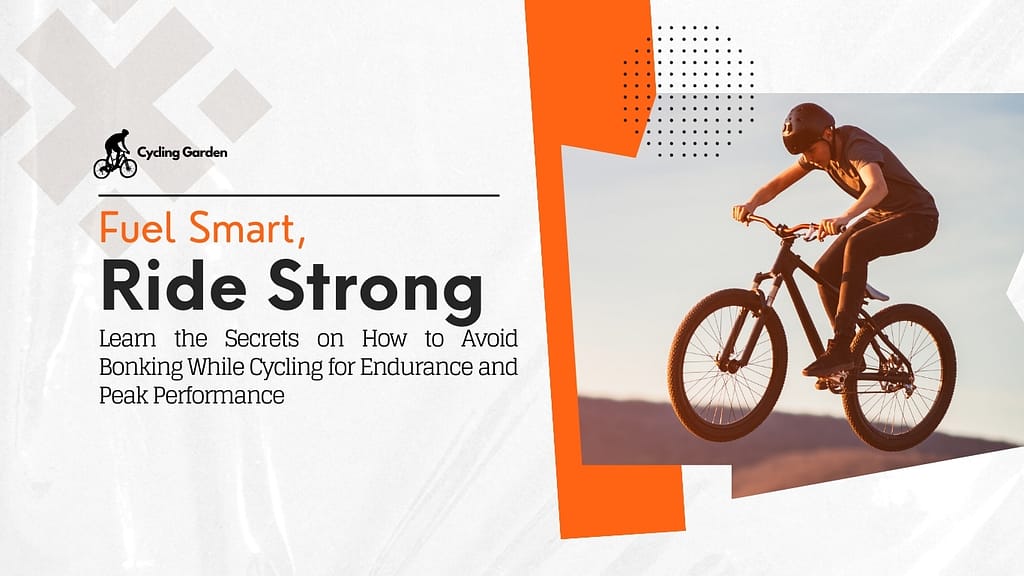
Unveiling the Perils of Bonking in Cycling In the exhilarating world of cycling, there exists a peril that can bring even the most seasoned cyclists to their knees—bonking. Also known as hitting the wall or experiencing energy depletion, this phenomenon can turn a thrilling ride into an arduous struggle. But fear not, for understanding the dangers of bonking is the first step towards conquering its challenges and enhancing your cycling experience. How to avoid bonking while cycling is a critical consideration for any avid cyclist. Nutrition plays a crucial role in fueling endurance, ensuring optimal performance on those long rides, and preventing the dreaded bonk. Proper cycling nutrition not only provides sustenance but also helps cyclists maintain their energy levels throughout their rides.
However, failing to adequately fuel your body during intense training sessions or races can lead to disastrous consequences—enter bonking. Bonking occurs when your body’s glycogen stores become depleted, leaving you feeling drained and fatigued. It’s like running out of gas in the middle of nowhere with no refueling station in sight. Suddenly, every pedal stroke becomes an uphill battle as your muscles scream for energy that simply isn’t there. What cycling does to your body extends beyond mere physical exhaustion; it can also negatively impact your mental focus and overall enjoyment on two wheels.
–

As you struggle to keep up with fellow riders or maintain a steady pace, frustration and disappointment may start creeping in. Fortunately, with advancements in sports science and nutrition knowledge at our disposal, we now have effective strategies to help prevent this dreaded occurrence. By mastering the art of proper cycling nutrition and strategic fueling techniques, you can ensure that you never fall victim to bonking again. So join us on this journey as we delve deeper into understanding the dangers of bonking in cycling. We will explore practical tips and insights to help optimize your energy levels while keeping you pedaling strong throughout every adventure on two wheels.
Planning Your Pre-Ride Nutrition for Long-Lasting Energy
When optimizing your cycling performance, one key aspect that should never be overlooked is pre-ride nutrition. Planning and strategizing your pre-ride meals can significantly impact your energy levels, stamina, and overall performance on the bike. Whether you’re a professional cyclist or someone who enjoys long rides on the weekends, fueling your body with the right combination of carbohydrates and protein is crucial for sustained energy levels. Carbohydrate loading is a tried-and-true method for cyclists looking to maximize their endurance.
By increasing your intake of complex carbohydrates leading up to a ride, you can effectively stock up your glycogen stores in the muscles and liver. This extra reserve of fuel will provide you with the necessary energy during those demanding, long rides. But it’s not just about carbohydrates; protein intake also plays a vital role in supporting muscle recovery and growth. Including lean sources of protein in your pre-ride meals can help prevent muscle breakdown during intense cycling sessions, allowing for faster recovery post-ride. When planning your pre-ride nutrition, it’s essential to focus on balance and timing. Aim for a meal that contains a good balance of carbohydrates, proteins, and healthy fats. Opt for whole foods such as fruits, vegetables, whole grains, lean meats, or plant-based proteins like tofu or legumes.
–

Additionally, consider the timing of your meal before hopping onto the saddle. Ideally, aim to consume this balanced meal around 2-3 hours prior to your ride to allow for proper digestion without feeling too full or experiencing discomfort during exercise. When aiming to conserve energy while cycling, especially if you’re crunched for time or prefer early morning rides when appetite may be lower, opt for easily digestible snacks. Consider fueling up with options such as smoothies with fruits and Greek yogurt or whole grain toast with nut butter to sustain your energy levels throughout your ride.
Remember that every cyclist’s nutritional needs may vary depending on factors like the duration of the ride or individual metabolism rates. Experimenting with different foods and finding what works best for you is key to optimizing your pre-ride nutrition. By paying attention to your pre-ride nutrition and carefully planning your meals, you can ensure long-lasting energy levels on the bike. Don’t underestimate the power of fueling your body properly before a ride; it can be the difference between an enjoyable, high-performance cycling experience and feeling fatigued halfway through your journey.
Calculating your caloric needs based on ride duration and intensity
Are you looking to optimize your cycling performance and achieve your fitness goals? Look no further! We have the perfect solution for you: a cutting-edge cycling calories burned calculator that will help you determine your precise caloric needs based on ride duration and intensity. Gone are the days of relying on guesswork or outdated formulas.
Our advanced calculator takes into account not only the duration of your cycling sessions but also the intensity at which you pedal, ensuring accurate and personalized results for your unique energy requirements. By accurately calculating your caloric needs, you can now have complete control over fueling your body efficiently during each ride. Whether you’re aiming to shed those stubborn pounds or maintain a healthy weight, our calculator will provide you with valuable insights into how many calories you burn during each session. But this is just the beginning! Our innovative caloric needs calculator goes beyond simple numbers. It provides detailed recommendations on nutrition and hydration strategies tailored specifically to cyclists like yourself.
By knowing exactly how many calories you need to consume before, during, and after each ride, you can maximize performance and recovery while avoiding unnecessary energy deficits. Say goodbye to generic calorie estimations that fail to consider the intricacies of cycling. With our state-of-the-art tool, precision is key. Unlock the mystery of how many calories do you burn cycling for 30 minutes with our specialized calculator, tailored to your unique cycling needs.
So why settle for less when it comes to optimizing your training regimen? Take advantage of our cycling calories burned calculator today and unlock a world of possibilities for achieving peak performance on two wheels! Remember, every cyclist is unique, so let our calculator unveil the secrets behind your specific caloric needs for cycling success.
The importance of carbohydrates for sustained energy levels during rides
Carbohydrates serve as the primary fuel source for our bodies and are crucial for maintaining sustained energy levels throughout cycling sessions. Incorporating a variety of high-carb foods into your diet can significantly enhance your overall endurance and performance on the bike. As a cyclist aiming to avoid bonking while cycling, replenishing glycogen stores should be a top priority. Glycogen, stored in our muscles and liver, serves as the primary source of energy during intense physical activities like cycling. Therefore, consuming carbohydrate-rich foods and beverages before, during, and after your ride is essential to maintain optimal glycogen levels and sustain your energy output.
By consuming sufficient carbohydrates, you can ensure that your glycogen stores are adequately replenished, enabling you to power through those long rides without experiencing any energy crashes. But why focus specifically on high-carb foods? Well, they have a unique ability to provide a rapid release of glucose into the bloodstream, providing an immediate burst of energy when you need it the most. Opt for complex carbohydrates such as whole grains, fruits, and vegetables, as they not only provide sustained energy but also offer essential vitamins and minerals that aid in overall recovery and muscle repair. Including sources such as pasta, rice, oatmeal, bananas, sweet potatoes, and whole-grain bread in your pre-ride meals can give you the necessary boost to tackle even the most challenging routes.
–

During longer rides or intense training sessions lasting more than an hour or two, it’s essential to consume easily digestible carbohydrates like gels or sports drinks to maintain optimal energy levels. Remember that individual carbohydrate needs may vary based on factors such as intensity level, duration of exercise, body weight, and personal preferences. It’s always best to consult with a nutritionist or sports dietitian who can provide personalized advice tailored to your specific requirements. So, understanding the significance of carbohydrates for sustained energy levels during rides is vital for any cyclist aiming to reach their peak performance. By incorporating high-carb foods into your diet and prioritizing glycogen replenishment, you can ensure that your body has the necessary fuel to conquer any cycling challenge that comes your way.
Including adequate protein and healthy fats in your pre-ride meal plan
When it comes to optimizing your cycling performance, ensuring that you include adequate protein and healthy fats in your pre-ride meal plan is crucial. These two macronutrients play vital roles in providing sustained energy, promoting muscle recovery, and enhancing overall performance on the bike. Protein intake for cyclists is of utmost importance as it supports muscle repair and growth.
Consuming enough protein before a ride helps prevent muscle breakdown during exercise, allowing you to maintain your strength and endurance throughout the ride. Not only does protein provide the necessary building blocks for repairing damaged tissues, but it also helps regulate important bodily functions such as oxygen transport and immune function. Understanding what is cycling in mental health adds another layer of appreciation for the holistic benefits of cycling, encompassing not only physical well-being but also mental resilience and emotional balance.
Additionally, incorporating healthy fats into your pre-ride meal can significantly benefit your cycling performance. Healthy fats are vital for cyclists looking to avoid bonking while cycling as they provide a concentrated source of long-lasting fuel for endurance activities. Incorporating foods rich in healthy fats, such as nuts, seeds, avocados, and olive oil, into your pre-ride meals and snacks can help sustain energy levels throughout your ride and prevent the onset of fatigue. They also aid in reducing inflammation within the body, supporting joint health, and enhancing overall cardiovascular function. Now let’s delve into some pre-ride meal ideas that are rich in both protein and healthy fats to power up your cycling endeavors:
Greek yogurt topped with a handful of nuts and seeds:
Greek yogurt is packed with protein, while nuts and seeds provide a good dose of healthy fats.
Avocado toast with smoked salmon:
Whole-grain toast spread with mashed avocado offers heart-healthy fats, while smoked salmon delivers high-quality proteins along with omega-3 fatty acids.
Quinoa salad with grilled chicken or tofu:
Quinoa is not only an excellent source of plant-based protein but also contains beneficial fats. Pair it with grilled chicken or tofu for added protein content.
Omelet loaded with vegetables:
Whisk together eggs (or egg whites) along with various veggies like spinach, mushrooms, and bell peppers, and top it off with some feta cheese for an extra dose of flavor and healthy fat.
Peanut butter banana smoothie:
Blend together a ripe banana, a scoop of peanut butter, a handful of spinach, and some almond milk for a deliciously creamy and protein-packed pre-ride fuel.
By incorporating these mouthwatering meal ideas into your pre-ride routine, you’ll be supplying your body with the essential nutrients it needs to optimize performance, enhance recovery, and elevate your cycling experience.
Fueling During the Ride: Strategies to Avoid Depletion and Maintain Stamina
Fueling during your cycling rides and implementing effective strategies is crucial to avoid depletion and maintain optimal stamina. One highly recommended strategy is incorporating energy gels specifically designed for cyclists into your routine. These power-packed gels are formulated to provide a quick and easily digestible source of energy, allowing you to replenish your fuel reserves without any hassle. In addition to energy gels, proper hydration plays a vital role in sustaining your stamina during rides. It is imperative to prioritize maintaining an adequate fluid intake throughout your cycling sessions. By regularly hydrating, you not only help prevent dehydration but also enhance your body’s ability to perform optimally.

By combining these two essential components—cycling fueling strategies and hydration techniques—you can ensure that you stay energized and hydrated throughout your rides. This will enable you to push through challenging terrain, conquer long distances, and achieve peak performance on the bike. So whether you’re embarking on a grueling endurance ride or simply enjoying a leisurely cycle, don’t underestimate the importance of proper fueling and hydration. Incorporate energy gels into your routine and make sure to hydrate adequately; it’s the winning formula for maintaining stamina and conquering the road ahead.
Consuming easily digestible carbohydrates during longer rides
During longer rides, it is crucial for cyclists to fuel their bodies with easily digestible carbohydrates in order to maintain optimal energy levels. This is where energy gels for cyclists and sports drinks with carbohydrates come into play. These specially formulated products are designed to provide a quick and efficient source of fuel that can be easily absorbed by the body, ensuring that cyclists can sustain their performance throughout their ride.
Energy gels, in particular, are a convenient option as they come in small packets that can be easily carried and consumed on the go. Packed with fast-acting carbohydrates, they offer an instant energy boost without causing any gastrointestinal discomfort. Cyclists can simply tear open the packet and consume the gel to replenish glycogen stores and keep fatigue at bay. Sports drinks fortified with carbohydrates are also highly effective in sustaining energy levels during longer rides. These beverages are designed to not only hydrate but also provide a steady supply of glucose to fuel muscles. With a carefully balanced blend of electrolytes and carbohydrates, sports drinks offer a refreshing way to stay hydrated while simultaneously replenishing essential nutrients lost through sweat.
By incorporating these easily digestible carbohydrate sources into their riding routine, cyclists can effectively avoid bonking while cycling. Ensuring a steady intake of fuel from these sources helps maintain energy levels, enabling riders to tackle long distances or intense training sessions without experiencing a sudden energy crash. Whether you’re an amateur cyclist or an experienced pro, these products serve as valuable allies in optimizing performance and achieving your cycling goals.
Hydrating properly to maintain electrolyte balance and prevent fatigue
Proper hydration is vital for maintaining optimal performance and preventing fatigue, especially during intense physical activities like cycling. By ensuring you hydrate effectively, you can maintain the crucial balance of electrolytes in your body, which are essential for proper muscle function and overall well-being. When it comes to cycling hydration tips, it’s important to prioritize water intake before, during, and after your rides. Drinking water regularly throughout the day helps prepare your body for the exertion ahead and keeps you adequately hydrated. In addition to water, electrolyte replacement is key during rides. Electrolytes such as sodium, potassium, and magnesium play a crucial role in regulating fluid balance within your cells. They help facilitate proper muscle contractions and prevent cramping.
While sweating during cycling, you lose not only water but also these vital electrolytes. To replenish electrolytes effectively during rides, consider using sports drinks or electrolyte-enhanced beverages specifically formulated for endurance athletes. These beverages contain essential minerals that promote hydration and maintain optimal electrolyte levels within your body. After cycling, what to do next is equally important to ensure proper recovery and hydration.
–

Furthermore, be mindful of the duration and intensity of your rides when determining how much fluid and electrolyte replacement you should consume. Longer rides or those in hot weather conditions require increased attention to hydration needs. Remember that prevention is always better than cure when it comes to fatigue caused by dehydration or an imbalance in electrolytes. Staying proactive with regular sips of fluids throughout your ride can help ensure you perform at your best while keeping fatigue at bay. So next time you hit the road on your bike or embark on a cycling adventure, make sure to prioritize proper hydration by incorporating these valuable tips into your routine. Your body will thank you for improved endurance and reduced fatigue levels.
Pacing Yourself: Maintaining a Steady Effort Level to Conserve Energy
One of the key factors that can greatly impact performance and endurance is the ability to pace oneself effectively. By employing strategic pacing techniques, cyclists can avoid sudden spikes in effort and maintain a steady heart rate throughout their rides. By maintaining a steady pace and conserving energy, cyclists can effectively avoid bonking while cycling. This approach enables riders to sustain their effort levels for extended durations, leading to enhanced overall performance on the bike.
One of the primary benefits of pacing oneself is the ability to avoid those sudden bursts of high-intensity effort that can quickly deplete energy reserves. By maintaining a steady effort level, cyclists can ensure a consistent output without experiencing unnecessary fatigue or burnout. This not only allows for better control and efficiency but also minimizes the risk of early exhaustion during long rides or races. Another crucial aspect of effective pacing is managing heart rate. By keeping their heart rate within an optimal range, cyclists can find a balance between exertion and recovery. This ensures that they are working hard enough to challenge themselves without pushing beyond their limits too soon. Maintaining a steady heart rate throughout the ride helps prevent rapid fatigue and enables riders to sustain their efforts for prolonged periods of time.
Remember,
In addition to conserving energy and avoiding burnout, employing pacing techniques also allows cyclists to better allocate their resources during races or group rides. By strategically distributing efforts over different sections or stages, riders can maximize their overall performance by saving energy for critical moments when they need it most, such as challenging climbs or sprints towards the finish line. Ultimately, mastering pacing techniques in cycling requires practice, self-awareness, and discipline. By learning how to gauge effort levels accurately and maintain a steady heart rate throughout rides, cyclists can optimize their energy expenditure while achieving better results on the bike.
Understanding your individual thresholds and training zones ( How to Avoid Bonking While Cycling )
Developing a comprehensive understanding of your individual thresholds and training zones is essential for any cyclist looking to optimize their performance and achieve their fitness goals. By delving deeper into the realm of cycling training zones and exploring the science behind heart rate training, you can unlock the full potential of your rides. Cycling training zones are specific intensity ranges that are tailored to your individual capabilities. How to avoid bonking while cycling is crucial, and these zones provide a structured framework for organizing your workouts based on different heart rates or power ranges.
By accurately determining your maximum heart rate or functional threshold power, you can effectively establish these personalized training zones. Heart rate training for cyclists has proven to be an incredibly valuable tool for enhancing performance and improving overall fitness levels. By monitoring your heart rate during rides, you gain insights into the physiological demands placed on your body. This allows you to train smarter by identifying optimal intensities for endurance, aerobic capacity, lactate threshold, and recovery. The beauty of utilizing heart rate training is its ability to adapt to different terrains, conditions, and personal goals. Whether you’re aiming to increase stamina on long endurance rides or improve speed during interval sessions, tracking your heart rate enables you to gauge effort levels accurately.
–

Moreover, heart rate-based cycling training zones provide clear guidance on how hard or easy you should be pushing yourself during various types of workouts. They allow you to maintain appropriate intensity levels while avoiding overtraining or underutilizing your potential. By incorporating cycling training zones based on heart rate into your regimen, you can experience numerous benefits, such as improved cardiovascular fitness, increased endurance capacity, enhanced recovery rates between efforts, and better overall performance outcomes. So, understanding and utilizing individualized thresholds and training zones in cycling is crucial for any dedicated cyclist seeking progress in their fitness journey. By harnessing the power of technology-driven tools like AI writing assistants combined with personalized coaching expertise, you can take advantage of this knowledge base by creating impactful content that educates fellow cyclists about the importance of training zones and heart rate training in optimizing their performance.
Using a cycling computer or GPS to monitor your effort level ( How to Avoid Bonking While Cycling )
Enhancing your cycling experience has never been easier with the advent of cutting-edge technology like cycling computers and GPS devices specifically designed for cyclists. These ingenious gadgets not only keep track of your distance, speed, and time but also provide invaluable insights into your effort level during rides. By monitoring your effort level in real-time, you can optimize your training regimen, push yourself to new limits, and ultimately maximize your performance on the road or trails. A cycling computer serves as a digital dashboard for cyclists, displaying essential data such as current speed, average speed, cadence, heart rate, elevation gain, and much more. This wealth of information empowers you to make informed decisions during rides and adapt your effort level accordingly. Whether you’re aiming for a leisurely cruise or an intense training session, having precise metrics at your fingertips helps you maintain efficiency and pace yourself effectively.
On the other hand, GPS devices tailored for cyclists take things to a whole new level by utilizing satellite technology to accurately track your location and movements in real-time. Not only can they map out the route you’ve taken, but they also integrate seamlessly with popular fitness platforms to provide detailed analysis of every aspect of your ride. From tracking distance covered to evaluating climbing performance and even monitoring changes in elevation throughout a route, these devices offer comprehensive insights into your efforts on the bike. By combining the functionalities of both cycling computers and GPS devices specifically designed for cyclists into one powerful toolset, riders are given unparalleled control over their training sessions. No longer do they have to rely solely on guesswork or subjective feelings when it comes to measuring their effort level; these intelligent gadgets deliver concrete data that empowers them to tweak their workouts with precision.
So,
Whether you’re an amateur cyclist looking to improve fitness levels or a seasoned pro striving for that competitive edge, investing in a cycling computer or GPS device is undoubtedly a game-changer. Unlocking the ability to monitor and adjust effort levels during rides not only enhances your overall cycling experience but also helps you achieve your goals faster and more efficiently.
Pros: How to Avoid Bonking While Cycling?
1. Proper hydration and nutrition can help cyclists avoid bonking, enhancing their endurance and overall performance.
2. Regular training and gradually increasing intensity allow the body to adapt to strenuous activities, reducing the likelihood of bonking.
3. Taking adequate rest between cycling sessions allows your body to recover fully, which can prevent bonking.
4. Wearing appropriate clothing and gear can also assist in regulating body temperature, preventing overheating that could lead to fatigue or bonking.
5. Following a well-structured training plan helps manage efforts effectively during cycling, which reduces the chances of reaching a state of complete exhaustion or bonking.
Cons: How to Avoid Bonking While Cycling?
1. Avoiding bonking may require strict adherence to a diet plan, leading to an increased amount of time spent on meal preparation and planning.
2. To avoid bonking, you might need professional coaching or advice on proper cycling techniques, which could be costly.
3. Taking regular breaks for rest and nutrition may disrupt the flow of long-distance rides or races as it takes time away from actual cycling.
4. Over-reliance on energy supplements or gels in an attempt to avoid “bonking” may result in potential side effects like gastrointestinal issues.
5. The focus on not bonking might cause undue stress for some cyclists, deterring them from enjoying their ride as they are constantly worrying about their energy levels and performance output.
Conclusion: Implementing Proper Nutrition and Pacing Strategies for an Enjoyable Cycling Experience
It is of utmost importance to prioritize the implementation of proper nutrition and pacing strategies in order to facilitate an incredibly enjoyable cycling experience. By carefully considering one’s dietary choices and ensuring that the body is adequately fueled, cyclists can optimize their performance and endurance levels. Furthermore, adopting effective pacing strategies not only helps prevent fatigue but also allows for a more controlled and satisfying ride. By combining these two key elements, cyclists can embark on their journeys with confidence, knowing that they have taken the necessary steps to enhance their overall enjoyment while on the road.
FAQ: How to Avoid Bonking While Cycling
1. Q: Does hydration play a role in preventing bonking while cycling?
A: Yes, keeping yourself hydrated reduces the risk of fatigue and helps maintain energy levels. Insufficient water intake could lead to dehydration, which might trigger a bonk.
2. Q: Are there any specific training techniques that can help with avoiding bonks?
A: Regularly incorporating endurance rides into your training allows your body to adapt better to burning fat as fuel along with glycogen, which can delay or even prevent hitting the wall.
3. Q: Can mental preparation help avoid bonking while cycling?
A: Yes, mental toughness plays a role in overcoming difficult situations like a bonk. Mindset training like visualization and positive self-talk can help manage the physical discomfort associated with bonking.