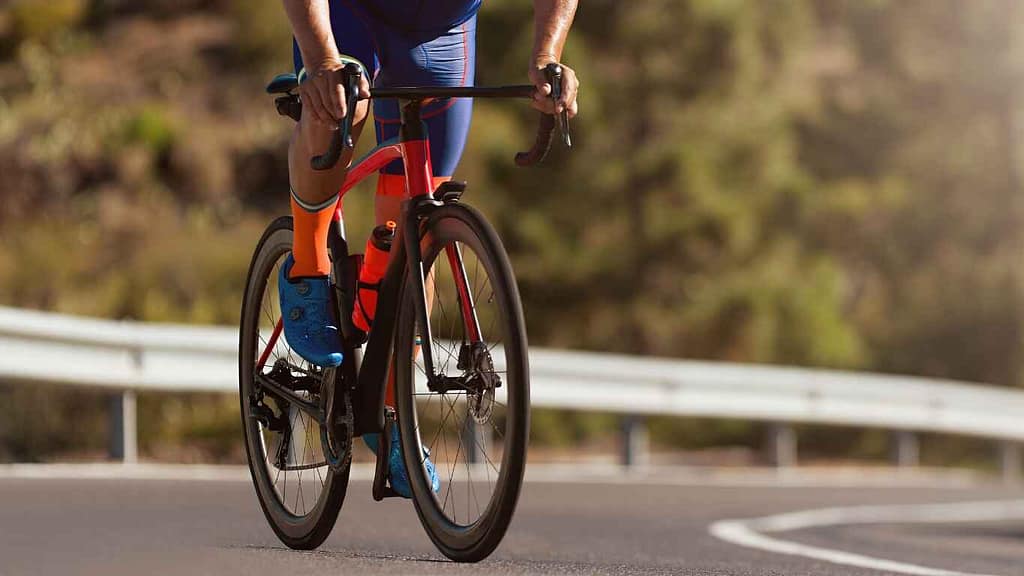
Whenever a question arises how to choose a road bike, Because choosing a bicycle can be an exciting yet overwhelming task. With so many options available in the market, it can be difficult to determine which one fits you. Whether you’re a seasoned cyclist or a beginner looking to embark on your cycling journey, finding the perfect bicycle is crucial for a comfortable and enjoyable ride. Determining your riding style and purpose will help guide your decision-making when selecting the right bike. By understanding the characteristics of road bikes, mountain bikes, hybrid bikes, commuter bikes, and recreational bicycles, you’ll be able to find one that suits your needs perfectly.
This blog post will guide you through choosing a bicycle that suits your needs and preferences. From considering your riding style to understanding different types of bicycles, we will provide you with all the information you need to make an informed decision. So, let’s dive in and find the perfect bicycle for you!

Determine Your Riding Style and Needs
Determining your riding style and purpose is crucial when choosing the right bicycle. Whether you’re a seasoned cyclist or a beginner, finding the perfect bike that matches your needs is essential for an enjoyable riding experience. With so many options available, selecting a bicycle can seem overwhelming. However, by understanding your riding style and purpose, you can narrow the choices and make an informed decision.
In the bike buying guide, we will explore different types of bicycles that cater to various riding styles. A wide range of options are available, from road bikes designed for speed and efficiency to mountain bikes built for rugged terrains. We will also discuss important factors such as frame materials, sizing considerations, and additional features when choosing a bike. Finding the right bicycle is not just about selecting the most stylish or expensive option; it’s about finding the perfect match for your needs. So, let’s dive into this comprehensive bike-buying guide and journey towards discovering the ideal bicycle that will enhance your riding experience.
Consider Your Body Type and Fit
Finding the perfect bicycle that suits your body type and ensures a comfortable fit is essential for an enjoyable riding experience. Whether you are a seasoned cyclist or just starting, considering your body type and the fit of the bike frame is crucial. One crucial factor to consider is the bike frame size. This measurement determines the overall dimensions of the bike and plays a significant role in ensuring a proper fit. You can determine the frame size that will best suit you by considering your height and inseam measurement.
Bike fit goes beyond just finding the right frame size. It involves adjusting various bike components, such as saddle height, handlebar position, and stem length, to ensure an optimal riding position that aligns with your body’s biomechanics. A well-fitting bike enhances your overall riding experience and reduces the risk of discomfort or injury caused by improper positioning. Adjusting saddle height, handlebar reach, and stem length are key to achieving an optimal bike fit.

By considering your body proportions and finding a bike that suits them, you can ensure that every ride is smooth, efficient, and enjoyable. Take the time to explore different options available in terms of frame sizes and consult with experts who can guide you through finding the perfect bicycle for your specific needs.
Set a Budget and Stick to It
Setting a budget and sticking to it is crucial when purchasing a bicycle. With the wide range of options available, splurging on the latest and most expensive models can be tempting. However, plenty of affordable bikes offer great quality and performance. Finding budget-friendly options doesn’t mean compromising on quality or performance. Many bicycles are available at various price points that offer excellent value for money. Setting a budget doesn’t mean sacrificing quality or settling for less. It simply means being mindful of your financial limitations while still seeking the best value for your money. With careful research and consideration, you can find a bicycle within your price range that fulfills all your riding needs.
While it may be tempting to stretch your budget for a top-of-the-line model, remember that plenty of options within your price range still offer durability, comfort, and performance. By setting a realistic budget and sticking to it, you can ensure that you make an informed decision without breaking the bank. Consider seeking expert advice or reading reviews from trusted sources to gather more information about bikes within your budget range. Ultimately, choosing the best bike is a personal decision based on individual needs and preferences – but by setting a budget and conducting thorough research, you can confidently select a high-quality and affordable bike.

Understand Different Bike Components and Features
When understanding different bike components and features, if applicable, it’s essential to familiarize yourself with key elements such as bike gears and drivetrain systems, brake types, and suspension systems. By understanding these components, you’ll be equipped with the knowledge needed to make informed decisions about purchasing or maintaining your bike. Moving on to brakes, there are two main types: rim and disc.
Rim brakes operate by applying pressure to the sides of the wheel rims using brake pads. They are lightweight, cost-effective, and work well in dry conditions. On the other hand, disc brakes use a rotor attached to the wheel hub and calipers that grip onto it when activated by brake levers. Disc brakes offer excellent stopping power in all weather conditions and are more consistent than rim brakes. Lastly, suspension systems come into play when discussing certain types of bikes, like mountain bikes or some hybrid models. These systems help absorb shocks from uneven terrain by utilizing front forks (suspension at the front) or rear shock absorbers (full suspension). Suspension systems enhance ride comfort and control while reducing fatigue on rough surfaces.
By understanding these different bike components – including gears and drivetrain systems, brake types (rim brakes vs. disc brakes), and suspension systems when applicable – you can make informed decisions when selecting or maintaining your bicycle. This knowledge empowers you to optimize your riding experience while ensuring safety on every pedal stroke. You may also want to consider additional features and accessories like lights, racks, and fenders. Determine if these are necessary for your cycling needs. Seeking professional advice is also recommended. Consult with experienced cyclists or bike shop experts who can provide valuable insights and recommendations based on your needs and preferences. They can also help with bike fitting to ensure proper posture and comfort.
Test Ride Multiple Bicycles Before Making a Decision
It’s important to test-ride different bicycles before making a decision. Visit local bike shops and try out different models, paying attention to comfort, fit, and handling. It’s also a good idea to research and read reviews from other cyclists. Please keep in mind that you should choose reliable brands that have established a reputation for delivering high-quality and high-performance products. Here are several key tips to keep in mind: First and foremost, pay attention to the comfort level of the bike. Is the seat comfortable? Are you able to maintain a natural riding position? These factors will greatly impact your overall riding experience.
To make the most out of your bike test ride, here are some essential tips to keep in mind:
1. Take your time: Don’t rush the test ride process. Spend enough time with each bike to get a feel for its comfort and handling characteristics.
2. Test different models: Try out various types of bicycles, such as road bikes, mountain bikes, or hybrid bikes. Each type offers a unique riding experience, so exploring different options is important.


3. Pay attention to comfort: During your test ride, focus on how comfortable you feel on the bike. Check if the saddle is supportive and the frame size and geometry suit your body type.
4. Test in various conditions: Try riding each bike on different terrains, such as flat roads or hilly trails. This will help you better understand how each model performs in different environments.
By following these tips and test-riding multiple bicycles, you can ensure that you find a bike that fits your physical needs and will provide an enjoyable riding experience for years to come.

Look for Additional Features and Accessories
By looking for additional features, you can ensure you get the most value out of your purchase. Whether it’s a smartphone with a built-in fingerprint scanner or a camera with advanced shooting modes, these extra features can significantly affect how you use and enjoy your device. Accessories play an integral role in maximizing the potential of your device. From protective cases to wireless chargers, these accessories provide added protection and expand the product’s capabilities.
When considering what to look for when buying a bike, it’s essential to also think about the availability of additional features and accessories. This consideration not only ensures immediate satisfaction but also future-proofs your investment. With technology advancing rapidly, having access to compatible add-ons allows you to keep pace with the latest advancements without replacing your entire device. The market offers a plethora of accessories catering to different needs and preferences for bicycles. These include lights, reflectors, bells, horns, mirrors, fenders or mudguards, racks or carriers, baskets, saddlebags or panniers, GPS devices, phone mounts, water bottle holders, locks, pumps, repair kits, and upgraded components such as pedals, handlebars, saddles, or tires. Each accessory serves a specific purpose, and choosing the ones that align with your needs and preferences is important.
Consider Maintenance and Repairs
Maintenance and repairs are essential aspects of bicycle ownership. Regular maintenance ensures that your bike remains in optimal condition while prompt repairs address any issues that may arise. By caring for your bicycle’s various parts, you can prolong its lifespan and enjoy a smooth and safe riding experience.
Repairs are inevitable when it comes to bicycles. Knowing how to address these common problems can save you from expensive repairs in the long run, whether it’s a punctured tire, loose bolts, or worn-out brake pads. This section will discuss practical steps for repairing various parts of your bike so you can handle minor issues independently. Regular maintenance and care for your accessories and bike are crucial to ensure their longevity and optimal performance. This includes cleaning and lubricating moving parts, checking for wear and tear, and making necessary adjustments or replacements. Regularly inspecting your accessories and bike can help identify potential issues early on and prevent further damage or accidents. Following the manufacturer’s guidelines for maintenance and care is recommended to ensure proper upkeep. Additionally, storing your bike and accessories in a dry and secure location can help protect them from damage or theft.
Maintaining and repairing different parts of your bicycle is vital for its longevity and functionality. It’s worth noting that some maintenance and repair costs may be tax-deductible depending on your situation. It’s always a good idea to consult a tax professional to understand any potential deductions or credits. By investing time in regular check-ups and promptly addressing any necessary repairs, you can enjoy many miles of worry-free cycling adventures while ensuring optimal performance every time you hop on your bike.
Read Reviews and Seek Recommendations
One of the first steps in the process is to seek out the best reviews. By looking for trusted sources such as reputable review websites or industry-specific forums, you can gather insights from others who have already experienced a particular product or service. These unbiased opinions can help you gauge the quality, reliability, and overall satisfaction level of your potential purchase.
The importance of reading reviews cannot be overstated. By exploring the experiences and opinions of others who have already used a product or service, you can get an unbiased perspective on its quality, functionality, and overall satisfaction. Whether browsing online platforms or flipping through magazines, the best reviews will provide detailed information about the pros and cons of a particular offering. In addition to reading reviews, seeking recommendations from trustworthy sources is equally crucial. Personal recommendations from friends, family members, colleagues, or industry experts can offer real-life experiences beyond what you may find in online testimonials. These recommendations are often based on trust and genuine experiences with a product or service.
So, taking the time to read reviews and seek recommendations is essential in making informed choices. By leveraging the experiences of others before you, you can increase your chances of finding the best products and services that align with your needs and preferences. So whether you’re shopping for a new gadget or planning a trip abroad, don’t underestimate the power of valuable insights from those who have already been there.
Make a final decision and purchase the bike that best meets your criteria.
Firstly, think about your specific needs and preferences. Do you need a bike for commuting, off-road adventures, or long-distance touring? Understanding your intended use will help narrow down your options.
Next, consider the features that are most important to you. Do you prioritize speed, comfort, durability, or versatility? Consider the terrain you’ll be riding on and whether you require specialized components or accessories. Consider your budget and find a bike that offers the best value for money. Balance affordability and quality to ensure long-term satisfaction with your purchase. Lastly, don’t forget about comfort. If possible, test and ride different bikes to gauge how they feel while riding. Pay attention to saddle comfort, handlebar position, and overall ergonomics.
After making a final decision, it is important to consider all the above factors, such as comfort, performance, additional features, maintenance, and reviews. Evaluating how well each bike fits your physical needs and provides an enjoyable riding experience is crucial. Additionally, considering your budget and prioritizing what features are most important to you will help guide your decision-making process. By weighing all these factors, you can confidently make a purchase knowing that you have made an informed decision.
Pros of choose a bicycle:
1. Choosing a bike can promote physical health, as cycling is an excellent form of exercise.
2. It is environmentally friendly, reducing your carbon footprint by opting for eco-friendly transportation.
3. Bicycles are more cost-effective in fuel and overall maintenance than motor vehicles.
4. Picking the right bicycle allows you to explore more terrains like mountain trails or city streets, depending on the type of bike chosen.
5. You can avoid traffic jams in urban areas, saving time during daily commutes.
Cons of choose a bicycle:
1. Selecting the wrong type of bicycle can lead to discomfort or injuries due to improper fit or unsuitable design for specific terrains.
2. Bicycles may not be practical for long distances or harsh weather conditions such as rain and snow.
3. The safety level is relatively lower than that of cars due to less protection during accidents and increased road vulnerability.
4. Bikes have limited carrying capacity, which makes them inconvenient for transporting large items or groceries.
5. Unless you live in a flat area, dealing with hills and gradients could be challenging while riding a bike regularly.
Conclusion How to choose a bicycle
Choosing a bicycle involves considering several factors, such as your riding style, terrain, budget, and personal preferences. It’s important to test-ride different bikes, consult with experts at a local bike shop, and do thorough research to ensure you choose the right bicycle that meets your needs and provides a comfortable and enjoyable riding experience. Additionally, don’t forget to invest in proper safety gear and accessories to enhance your cycling experience and ensure your safety on the road. You can confidently choose the best bike that fits your needs and preferences. So get ready to hit the road with a bicycle that brings joy and satisfaction to every ride!
FAQ How to choose a bicycle
1. What would be an ideal budget for purchasing a bike?
A: Bikes can vary greatly in price. Setting a budget and considering the quality and features you’re looking for is important. Generally, spending more will get you a higher-quality and more durable bike.
2. How do I maintain and care for my bike?
A: It is vital to perform regular maintenance on your bike to ensure that it is in good condition. This will help you avoid potential issues and keep your bike in top shape. This includes cleaning, lubricating the chain, checking tire pressure, and inspecting brakes and gears. It’s also recommended to get your bike serviced regularly by a professional.
3. Can I customize my bike?
A: You can customize your bike with various accessories like lights, racks, fenders, etc. However, ensure that any modifications you make are compatible with your bike and do not compromise its safety or performance.