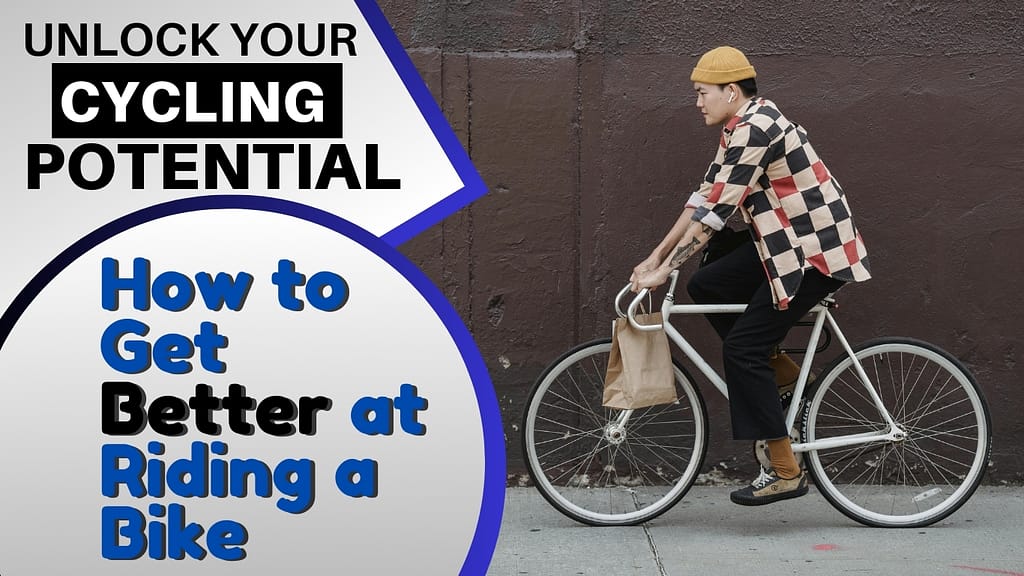
Indulging in the exhilarating activity of bike riding is a source of immense joy and satisfaction for countless individuals. Not only does it offer a thrilling experience, but it also presents numerous benefits that go hand-in-hand with becoming a skilled cyclist. Mastering cycling skills opens up a world of possibilities. With each pedal stroke, you enhance your physical fitness and overall health. This low-impact form of exercise effortlessly strengthens your muscles, boosts cardiovascular endurance, and improves joint flexibility. The calorie-burning potential of cycling is astounding, making it an excellent choice for weight management and achieving optimal fitness levels.
Beyond the physical advantages, bike riding also provides mental and emotional well-being. The invigorating sensation of the wind rushing through your hair as you glide along scenic routes cannot be replicated by any other means of transportation, including addressing advanced bike riding tips. Cycling allows you to immerse yourself in nature’s beauty while simultaneously clearing your mind from the stresses of daily life.

Additionally, the benefits extend beyond personal improvements to encompass broader environmental advantages. By opting for two wheels instead of four, you contribute to reducing carbon emissions and minimizing pollution levels in our beloved cities. The cycling community is brimming with passionate enthusiasts who share a common love for this remarkable sport.
Engaging with fellow cyclists not only creates lasting friendships but also exposes you to valuable knowledge about routes, equipment recommendations, and training techniques that can further enhance your skills on the saddle. Embracing the joyous adventure that bike riding offers is an investment in both physical health and mental well-being. With its unparalleled benefits spanning various aspects of life, from personal growth to environmental stewardship, there has never been a better time to join the ranks of cycling enthusiasts worldwide!
Understanding the Basics: Proper Bike Fit and Safety Measures
Cycling is a wonderful activity that offers numerous health benefits and a sense of freedom. However, to truly enjoy the experience, it’s crucial to understand and implement proper bike fit and safety measures. In this article, we will delve into the importance of bike fit, maintaining correct cycling posture, wearing a helmet for safety, and practicing regular bicycle maintenance.
Section 1:
The Significance of Bike Fit Having a well-fitted bike is essential for comfort, efficiency, and injury prevention. A properly fitted bike ensures that your body is in an optimal position to generate power while minimizing strain on your joints. It involves adjusting various components, such as saddle height, handlebar position, reach distance, and cleat alignment (if applicable). Investing time in finding the right fit can significantly enhance your cycling experience.
Section 2:
Maintaining Correct Cycling Posture Maintaining good posture while cycling not only helps prevent discomfort but also improves performance. Achieving the correct riding position involves aligning your spine with a slight forward lean while keeping your shoulders relaxed, reflecting on how cycling changed my body. This promotes efficient pedaling technique and reduces stress on your neck, back, wrists, and knees.
Section 3:
Embracing Helmet Safety No discussion about bike safety would be complete without emphasizing the importance of wearing a helmet. It serves as your first line of defense against head injuries in the event of an accident or fall. Always choose helmets certified by relevant authorities for optimal protection. Remember that even experienced cyclists should never compromise on helmet usage.

Section 4:
Prioritizing Bicycle Maintenance Regular bicycle maintenance not only extends its lifespan but also ensures safe riding conditions at all times. Basic maintenance tasks include checking tire pressure before each ride, inspecting brakes for proper functionality, lubricating chains regularly, examining gears for smooth shifting, tightening bolts as needed, inspecting wheels for damage or misalignment, and keeping the bike clean.
Achieving proper bike fit, maintaining correct cycling posture, wearing a helmet, and practicing regular bicycle maintenance are vital components of ensuring a safe and enjoyable cycling experience. By prioritizing these aspects, you can ride with confidence, knowing that you have taken the necessary precautions to protect yourself and maximize your performance on the road or trails.
Building Strength and Endurance: Training Exercises for Cyclists
Are you looking to enhance your cycling performance and take your skills to the next level? Look no further! In this guide, we will explore top-notch training exercises specifically designed for cyclists like you, focusing on building strength and endurance. Cycling training tips are essential for any rider aiming for excellence. However, incorporating strength training into your regimen can truly elevate your performance. By incorporating targeted exercises that focus on strengthening key muscle groups used during cycling, such as the quadriceps, glutes, and core, you can power through those challenging climbs and sprints with ease. These exercises not only increase muscular strength but also improve stability and reduce the risk of injury.
When it comes to endurance exercises for cyclists, we have got you covered as well, including addressing the topic of how to train for endurance cycling. Enhancing your cardiovascular fitness is crucial in order to sustain longer rides without fatigue setting in. Introducing interval training into your routine can significantly boost your endurance levels.By alternating between high-intensity bursts and recovery periods, you’ll stimulate both aerobic and anaerobic systems, ultimately improving your overall endurance capacity.

Moreover, it’s worth mentioning that a well-rounded training plan encompasses not only physical workouts but also mental focus and nutrition considerations. Stay tuned as we dive deeper into strategies that will help optimize every aspect of your cycling journey. Ready to pedal towards greatness? Let’s embark on this exhilarating journey together as we uncover the most effective training exercises tailored specifically for cyclists like yourself seeking to build strength and endurance!
Pedaling Techniques: Mastering Efficiency and Control on the Bike
Pedaling Techniques: Unlocking the Secret to Unmatched Efficiency and Complete Control on Your Bike When it comes to cycling, mastering the art of pedaling efficiency is paramount. It not only enhances your overall performance but also ensures that you have complete control over your bike. With the right techniques, you can maximize your power output while minimizing fatigue, allowing you to conquer any terrain with ease. One of the key aspects of pedaling efficiency is cadence control. This refers to the speed at which you pedal, measured in revolutions per minute (RPM).
By maintaining an optimal cadence, you can find that sweet spot where your muscles are working efficiently without exerting unnecessary strain. A higher cadence allows for a smoother pedal stroke and reduces the risk of muscle fatigue, while a lower cadence helps build strength and power. But it’s not just about how fast or slow you pedal; gear shifting techniques also play a crucial role in optimizing pedaling efficiency. Knowing when and how to shift gears can make all the difference in maintaining a consistent cadence throughout your ride. By smoothly transitioning between gears based on factors such as terrain gradient or desired effort level, you can keep your legs spinning effortlessly without sudden bursts of energy expenditure. To master these techniques, it’s important to focus on proper form and technique.
Additionally
Maintaining a balanced posture on the bike ensures that power transfer from your legs to the pedals is maximized, reducing wasted energy through unnecessary movements or poor body alignment. Engaging core muscles and utilizing both pushing and pulling motions during each pedal stroke further enhance efficiency. Investing time in drills and interval training specifically targeting pedaling technique can greatly improve overall performance on the bike. These focused sessions allow riders to fine-tune their muscle memory for optimal pedaling patterns while developing strength and endurance specific to cycling.
By mastering efficient pedaling techniques such as cadence control and gear shifting skills, cyclists can experience a significant boost in performance and control on their beloved two-wheeled machines, addressing the query, how to gain cycling endurance. So take the time to refine your pedaling efficiency and unlock the true potential of your cycling abilities. Get ready to ride faster, longer, and with unparalleled confidence!
Navigating Different Terrains: Tips for Riding Uphill and Downhill
Mastering the art of cycling on different terrains can greatly enhance your riding experience. Whether you’re tackling steep uphill climbs or flying down thrilling descents, here are some valuable tips to help you navigate these diverse landscapes with confidence.
Uphill Cycling Tips:
1. Gear up:
Before you start climbing, ensure that your bike is equipped with a suitable gear ratio. Opt for a lower gear to maintain a comfortable cadence and prevent unnecessary strain.
2. Pace yourself:
Uphill cycling requires endurance, so it’s important to find a sustainable rhythm. Start at a moderate pace and gradually increase your effort as you gain momentum.
3. Maintain good posture:
Keep your upper body relaxed and your back straight while maintaining a firm grip on the handlebars. Your overall balance will improve, and your weight will be distributed more evenly as a result.
4. Choose the right line:
Look for the smoothest path possible, avoiding loose gravel or obstacles that may hinder your progress. Plan your trajectory in advance to maximize efficiency and minimize energy expenditure.
5. Shift gears strategically:
Anticipate changes in terrain by shifting gears accordingly. Shift into an easier gear before reaching steeper sections to maintain a consistent cadence and prevent unnecessary fatigue.
6. Use proper breathing techniques:
Breathing plays a crucial role in maintaining your stamina while cycling uphill. Take deep breaths and exhale slowly to supply oxygen to your muscles and keep them energized.
7. Focus on technique:
Use efficient pedaling techniques, such as pushing down with your stronger leg while pulling up with the opposite leg. This will help you generate more power and maintain a steady rhythm.
8. Stay hydrated:
Climbing requires extra effort, so it’s important to stay hydrated throughout your ride. Carry a water bottle and take regular sips to replenish lost fluids.
9. Break it down:
If you’re facing an exceptionally long or steep climb, break it into smaller segments mentally. Set mini-goals for yourself, such as reaching a certain tree or marker, which can make the climb feel more manageable.
10. Embrace positive thinking:
Uphill cycling can be mentally challenging, but maintaining a positive mindset is key. Focus on the progress you’re making rather than dwelling on how difficult it may be. Visualize yourself conquering the hill and celebrating small victories along the way.
Downhill Biking Techniques:

1. Control your speed:
When descending, it’s crucial to control your speed to ensure safety. Use both brakes simultaneously, but apply gentle pressure to avoid skidding or losing control.
2. Positioning is key:
Shift your weight back slightly and position yourself towards the rear of the saddle while keeping a firm grip on the handlebars. This will help stabilize your bike and maintain control over rough terrain.
3. Eyes on the trail:
Keep your focus further down the trail rather than directly in front of you. This will allow you to anticipate any obstacles or changes in terrain, enabling you to react promptly.
4. Use body language:
Leaning into turns and bending your knees will help you maintain balance and navigate corners smoothly. Use your body to shift your weight as needed to maintain stability.
5. Stay relaxed:
Tensions in your body can affect your control and balance. Keep your upper body loose and relaxed, allowing your bike to move beneath you while maintaining a firm grip. on the handlebars. This will help you absorb any bumps or obstacles on the trail without losing control.
6. Choose your lines wisely:
Look for the smoothest and fastest line down the trail. Avoid loose rocks, deep ruts, or other potential hazards that could cause you to lose control.
7. Practice braking technique:
Get comfortable with modulating your brakes to maintain control while descending. Practice using both front and rear brakes together, gradually increasing pressure as needed.
8. Build confidence gradually:
Start with easier trails and gradually progress to more difficult ones as your skills improve. Pushing yourself too hard too soon can lead to accidents or injuries.
9. Maintain your bike:
Regularly check and maintain your bike’s brakes, suspension, tires, and gears to ensure they are in proper working condition before heading downhill.
10. Wear protective gear:
Always wear a helmet and appropriate safety gear like knee pads, elbow pads, gloves, etc., when downhill biking to protect yourself from potential injuries.
Handling Different Terrains:
- Adapt to the terrain: Different terrains require different approaches. Be adaptable, and adjust your riding style accordingly. For example, on loose gravel or muddy surfaces, reduce your speed and choose a wider line for better traction.
- Learn from experience: Practice makes perfect. Gain experience by riding in various terrains and learning from each experience. Pay attention to how your bike handles different surfaces, and take note of what works best for you.
- Choose the right tires: The type of tires you use can greatly impact your riding performance on different terrains. Invest in high-quality tires that are suitable for the terrain you’ll be riding on. For example, knobby tires are great for off-road adventures, while slick or semi-slick tires are better for smooth pavements.
- Maintain proper bike setup: Ensure that your bike is properly set up for the terrain you’ll be riding on. This includes adjusting your suspension, tire pressure, and gearing to match the conditions. A well-maintained bike will provide better control and stability, making it easier to handle different terrains.
- Improve your skills: Take time to improve your off-road riding skills through training or practice sessions with experienced riders. Techniques such as weight distribution, body positioning, and braking techniques can greatly enhance your ability to handle various terrains.
- Plan ahead: Before embarking on a ride in unfamiliar terrain, do some research and plan accordingly. “How to get better at riding a bike?” Familiarize yourself with any potential hazards or challenges that may arise during the ride so that you can prepare adequately.
- Safety first: Always prioritize safety when handling different terrains. Wear appropriate protective gear such as helmets, knee pads, elbow pads, and gloves to minimize the risk of injury in case of falls or accidents.
Gaining Confidence through Practice: Helpful Strategies to Overcome Fear and Improve Skills
Gaining confidence through practice is a powerful strategy that can help individuals overcome their fear and improve their skills in various areas of life. When it comes to conquering the fear of riding a bike and becoming a confident cyclist, implementing specific strategies can make all the difference.
One effective approach is to start with small, manageable steps. Begin by practicing in a safe and controlled environment, such as an empty parking lot or a quiet street. This allows you to gradually build your confidence and familiarize yourself with the bike’s mechanics without feeling overwhelmed. Another helpful strategy is setting realistic goals. Break down your cycling journey into attainable milestones that are aligned with your skill level and comfort zone. Celebrate each accomplishment along the way, no matter how small, as this will boost your self-confidence and motivate you to keep pushing forward, including addressing the question, how to learn cycling on your own. Consistency is key when it comes to building confidence through practice. Make it a habit to regularly dedicate time for cycling practice, even if it’s just for short periods initially.
comfortable and proficient at riding a bike
By consistently exposing yourself to the activity, you will gradually become more comfortable and proficient at riding a bike. It’s also important to seek support from others who share your passion for cycling or have successfully overcome their own fears. Joining local cycling groups or seeking guidance from experienced cyclists can provide valuable insights, tips, and encouragement that will further enhance your confidence-building journey. Lastly, keep in mind that errors are inevitable when learning. Instead of allowing them to discourage you or shake your confidence, view them as opportunities for growth and improvement. Embrace them as valuable lessons that will ultimately make you a better cyclist.
By implementing these strategies consistently and persistently dedicating time for practice, you will not only conquer your fear of riding a bike but also gain an unwavering sense of confidence as a cyclist. So gear up, embrace the challenge with determination, and watch yourself evolve into a fearless rider who effortlessly navigates any terrain with self-assurance and grace.
Riding in Groups or Races: Etiquette and Strategies for Group Cycling
When it comes to riding in groups or participating in races, understanding the proper etiquette and implementing effective strategies is crucial for a successful and enjoyable experience.
Whether you are cycling with a group or competing in a race, there are certain guidelines that should be followed to ensure safety, promote teamwork, and maximize performance. Group cycling etiquette plays a vital role in maintaining harmony and safety within the peloton. It involves adhering to certain rules and practices that contribute to a smooth and efficient ride. It is essential to communicate effectively with your fellow riders, using hand signals or verbal cues to indicate changes in direction or obstacles on the road.
Additionally, maintaining consistent speed and spacing between riders helps prevent accidents and allows for better visibility. In addition to etiquette, having effective strategies for group cycling can greatly enhance your overall experience. Understanding the dynamics of riding in a peloton requires awareness of drafting techniques, which involve positioning yourself strategically behind other riders to reduce wind resistance. This not only conserves energy but also promotes better efficiency when riding longer distances.
–

When it comes to bike racing tips, employing specific strategies can give you an edge over your competitors. Teamwork becomes paramount during races, as collaboration among teammates can lead to greater success. Working together through drafting rotations or establishing lead-outs can help conserve energy and create opportunities for strategic attacks or sprint finishes.
Furthermore, what is group cycling? and how to get better at riding a bike? Mastering the art of pacing is vital in racing scenarios. Knowing when to push harder or conserve energy throughout different stages of the race is key. Proper pacing ensures that you maintain optimal performance while avoiding premature fatigue that could hinder your chances of success.
By embracing both group cycling etiquette and implementing effective strategies during races, you elevate your overall performance while fostering camaraderie among fellow cyclists. So whether you’re embarking on an exhilarating group ride or preparing for an intense bike race, remember that mastering these essential skills will enhance both your individual performance and the overall experience of everyone involved.
Pros of getting better at riding a bike:
1. It will significantly improve your physical fitness, as cycling is an excellent form of cardiovascular exercise.
2. Enhanced biking skills can lead to increased safety and confidence on the road.
3. Learning to ride a bike efficiently might open up new recreational activities like mountain biking or racing.
4. You could potentially reduce your environmental impact by using your bike for commuting instead of a car.
5. Biking regularly can help with stress reduction and the enhancement of overall mental well-being.
Cons of getting better at riding a bike:
1. The time commitment required for regular practice might interfere with other responsibilities or hobbies.
2. There’s always the risk of injuries and accidents while trying to advance your cycling skills.
3. The cost associated with purchasing and maintaining a good-quality bicycle may be prohibitive for some people.
4. Weather conditions might restrict the effectiveness and consistency of outdoor practice sessions.
5. Depending on where you live, there may not be suitable infrastructure, like dedicated bike lanes, making it harder to improve skill levels safely and comfortably.
Conclusion: how to get better at riding a bike
It is imperative to wholeheartedly embrace the transformative journey of becoming a better cyclist with unwavering consistency and indomitable determination. By steadfastly adhering to a well-structured training regimen, coupled with an insatiable hunger for improvement, you are bound to witness remarkable progress in your cycling prowess. The path towards mastery may be arduous at times, but by remaining resolute in your pursuit of excellence and pushing past your perceived limits, you will unlock untapped potential within yourself. Each pedal stroke serves as an opportunity for growth and self-discovery, propelling you towards new heights of achievement on both the road and within yourself. So gear up with tenacity, embrace the challenges that lie ahead with unwavering conviction, and let your passion for cycling fuel you on this awe-inspiring journey towards becoming an extraordinary cyclist.
FAQ: How to Get Better at Riding a Bike
1. Q: How does correct posture impact my biking proficiency?
A: Proper posture aids in efficient pedaling, reduces fatigue, and promotes better control over the bicycle.
2. Q: Can physical fitness affect my bike-riding abilities?
A: Absolutely! Keeping fit boosts your endurance and strength, which significantly improves your cycling performance.
3. Q: Can I get better at cycling if I am scared of falling off?
A: Yes, fear is natural but can be overcome with practice and protective gear like helmets and knee pads for safety.