The Crucial Balance of Safety and Style in Cycling Gear When it comes to cycling, there are two key factors that should never be compromised: safety and style. As cycling enthusiasts, we understand the importance of equipping ourselves with the right gear to ensure both our protection and our sense of fashion. In this article, we will delve into the world of cycling gear, exploring essential items such as cycling shoes and helmets, while also delving into the ongoing debate between fashion and function. Additionally, we will explore how matching cycling gear, addressing questions like ‘Should Cycling Shoes Match Helmet’, can not only elevate your style but also enhance your overall safety on the road. So fasten your helmet straps and join us as we navigate through this exciting journey where safety meets style in the world of cycling.
The Style vs. Safety Debate: Do Matching Cycling Shoes and Helmets Really Matter?
When it comes to cycling, there is often a debate between style and safety. Some cyclists believe that matching their cycling shoes and helmet is important for a cohesive and fashionable look, while others prioritize safety and choose equipment based on functionality rather than style. So, do matching cycling shoes and helmets really matter? Let’s explore this topic further.

Matching specialized women’s cycling shoes with cycling gear has become increasingly popular in recent years. Many cyclists enjoy the aesthetic appeal of a coordinated outfit, and it can make them feel more confident and motivated during their rides. Additionally, matching gear can create a sense of unity and identity among cycling teams or groups.
However, it’s crucial to remember that safety should always be the top priority when it comes to cycling. Cycling shoes and helmets are designed with specific safety features to protect riders in the event of a fall or accident. They are engineered to provide maximum protection and reduce the risk of head or foot injuries.
1. Reasons for Matching:
There are several compelling reasons for considering the importance of matching in various contexts, such as enhancing the overall look, creating a sense of uniformity, and elevating a professional appearance. Matching elements not only add visual appeal but also communicate a cohesive message that resonates with your audience. By carefully coordinating colors, patterns, or design elements across different aspects of your presentation or branding materials, you can create a harmonious visual experience that leaves a lasting impression on your viewers.
One significant benefit of matching is its ability to enhance the overall look. When elements complement each other seamlessly, it creates an aesthetically pleasing result that captivates the eye and evokes a positive response. Whether it’s in fashion, interior design, or even website layout, ensuring that various components work together harmoniously can elevate the impact of your overall design. Another advantage of matching is its power to establish a sense of uniformity. By using consistent color schemes or design motifs across different platforms or materials, such as the camera for cycling helmet, you can create brand recognition and reinforce brand identity. This cohesion helps to establish trust and credibility among your target audience by presenting yourself as an organized and professional entity.

Furthermore,
Matching contributes significantly to achieving a professional appearance. It showcases attention to detail and reflects an understanding of design principles. Whether you’re designing marketing collateral or crafting presentations for clients or colleagues, incorporating matching elements reinforces professionalism and boosts the perceived quality of your work. So, embracing matching techniques in various aspects brings about numerous benefits, including enhancing aesthetic appeal, creating consistency for brand recognition purposes, and establishing professionalism in all endeavors. By paying attention to these details and ensuring coherence throughout your designs or presentations, you will undoubtedly leave a lasting impression on those who interact with your work.
2. Reasons against Matching:
While it is true that some individuals prioritize functionality and comfort over aesthetics, there are several compelling reasons why matching functionality with aesthetics is crucial. First and foremost, the appearance of a product or space greatly influences our perception of its overall quality. Aesthetically pleasing designs create a positive and inviting atmosphere that can significantly enhance the user experience. In fact, studies have shown that visually appealing environments lead to increased productivity, higher levels of satisfaction, and improved overall well-being. Moreover, aesthetics play a fundamental role in establishing brand identity and attracting potential customers. Companies that prioritize visually appealing designs often gain a competitive edge by standing out from their competitors. By combining functionality with aesthetically pleasing elements, businesses can create memorable experiences for their customers, which ultimately leads to increased brand loyalty.

Additionally, matching functionality with aesthetics demonstrates attention to detail and professionalism. It showcases a commitment to delivering not only practical solutions but also visually harmonious ones. This attention to both form and function signals a level of thoughtfulness that resonates with customers who value elegance in design. Lastly, it is worth noting that functionality does not have to be compromised when prioritizing aesthetics. With advancements in technology and innovative design approaches, it is entirely possible to achieve a seamless blend of both elements. By investing in well-designed products or spaces that cater to both functionality and aesthetics, one can enjoy the best of both worlds—practicality without sacrificing visual appeal.
3. The Middle Ground:
In today’s fast-paced world, finding the middle ground between style and safety has become increasingly crucial. It is no longer enough to focus solely on one aspect while neglecting the other. It is essential to strike a delicate balance that not only keeps us in vogue but also maintains our well-being. When it comes to personal style, we all desire to make a statement and stand out from the crowd, but it’s crucial to remember Bike helmet safety facts. Our clothing choices, accessories, and overall appearance play a significant role in reflecting our personality and individuality. However, prioritizing style should never come at the expense of safety. Luckily, with advancements in technology and innovative design approaches, we now have access to a wide range of stylish options that also prioritize our safety.
Whether it’s protective gear for sports enthusiasts or fashionable face masks that have become an integral part of our daily lives, manufacturers are increasingly recognizing the importance of merging style with safety. Moreover, businesses across various industries are embracing this concept by incorporating safety features into their products without compromising on aesthetics. From sleekly designed cars equipped with advanced driver-assistance systems to ergonomic furniture that promotes good posture while enhancing office aesthetics, there is an increasing demand for products that seamlessly blend function with fashion. Finding the middle ground between style and safety extends beyond individual choices; it also encompasses architectural design principles.
–

Architects and designers today are challenged with creating spaces that not only exude elegance but also adhere to rigorous safety standards. From fire-resistant materials to strategically placed emergency exits, buildings must strike a balance between aesthetic appeal and ensuring occupant well-being. In conclusion, striking a balance between style and safety is not merely about compromise; it signifies progress towards a future where both aspects coexist harmoniously. By embracing innovative technologies, prioritizing user comfort, and incorporating safety measures into every aspect of our lives—be it personal fashion choices or architectural designs—we can create an environment where elegance meets protection effortlessly.
Making an Informed Selection: Things to Take into Account While Selecting Helmets and Shoes for Cycling
Choosing the right cycling shoes and helmets is crucial for both comfort and safety during your rides. Choosing can be challenging due to the abundance of options. That’s why we have compiled a list of factors to consider when choosing cycling shoes and helmets. By taking these factors into account, you can make an informed decision that will enhance your cycling experience. From understanding the criteria for selecting the right shoes and helmets to ensuring proper fit and considering safety features, this post will provide you with valuable insights to help you choose the best gear for your needs.
1. Cycling Shoe Selection Factors:
When it comes to the crucial task of selecting cycling shoes, there are a few key factors that should be considered to ensure you find the perfect fit and achieve optimal comfort for your feet. The first and foremost aspect to take into account is finding a shoe that fits your feet like a glove, providing the utmost comfort throughout your rides. Whether you have narrow or wide feet, it is essential to consider brands and models known for their exceptional fit, especially when it comes to road cycling shoes for flat pedals. Additionally, it is vital to determine the appropriate shoe type based on your preferred cycling discipline. Road cycling shoes for flat pedals are specifically designed for smooth paved surfaces and are typically lighter in weight with stiff soles that maximize power transfer to the pedals.

On the other hand, mountain biking shoes are built with more rugged terrain in mind, featuring durable soles with enhanced traction for better control off-road. By carefully considering these factors during your selection process, you can ensure that your cycling shoes not only feel like an extension of your feet but also cater perfectly to the demands of your chosen cycling discipline. Remember, investing time and effort into finding the right pair of cycling shoes will undoubtedly pay off in terms of performance and overall enjoyment during each ride.
2. Helmet Selection Criteria:
When it comes to selecting the perfect helmet, there are a couple of key criteria that should be at the top of your list, especially when considering which cycling helmet is the safest. Safety certifications and impact protection are paramount and should never be compromised. Opting for a helmet that meets stringent safety standards will give you peace of mind, knowing that your head is well protected in case of any unfortunate accidents
Additionally, ensuring a proper fit is crucial for both comfort and safety. A helmet that fits snugly on your head without being too tight or loose will not only enhance your overall riding experience but also provide maximum protection. It’s recommended to try on different sizes and brands to find the one that suits you best. In addition to safety and fit, considering ventilation is another important factor. Proper ventilation plays a vital role in keeping your head cool during long rides or intense activities. Adequate airflow prevents discomfort caused by excessive heat buildup, allowing you to stay focused and comfortable throughout your adventure.

By prioritizing these criteria—safety certifications, impact protection, proper fit, and ventilation—you can confidently choose a helmet that provides optimal protection while ensuring an enjoyable riding experience. Remember, investing in quality gear is investing in your own well-being.
Striking the Perfect Balance: Tips for Coordinating Your Cycling Gear
Achieving the perfect balance when coordinating your cycling gear is crucial for both functionality and aesthetics. By carefully considering complementary color schemes, paying attention to accessory matching, and embracing brand loyalty, you can elevate your cycling ensemble to a whole new level.
One of the key principles in gear coordination is understanding how colors work together to create a visually appealing look. Opting for complementary color schemes, where colors from opposite ends of the color wheel are used, can add an exciting contrast to your outfit. For example, when cycling uphill what gears to use can greatly affect your ride. Pairing a vibrant red jersey with sleek black shorts not only creates a bold statement but also enhances visibility on the road. In addition to color coordination, paying attention to accessory matching can greatly enhance the overall appeal of your cycling gear. Coordinating items such as gloves, socks, helmets, and even water bottles with your main outfit can create a cohesive and polished look. Choosing accessories that share similar colors or design elements helps tie everything together seamlessly.
Furthermore, embracing brand loyalty can be an effective way to curate a well-coordinated cycling wardrobe. Many reputable brands offer collections that are designed to complement each other aesthetically. By investing in gear from the same brand or collection, you ensure that every piece effortlessly fits together and maintains consistency throughout your ensemble.
1. Complementary Color Schemes: ( Cycling Shoes Match Helmet )
Complementary color schemes are an essential aspect of creating visually appealing designs that leave a lasting impression. Carefully selecting colors that not only work well together but also harmonize to create a cohesive look can elevate any project to new heights. On the color wheel, complementary colors are hue pairs that are opposite one another.
By utilizing these opposing colors, designers can strike a balance between contrasting elements while maintaining an overall sense of unity. This approach creates a vibrant and dynamic visual experience that captivates the viewer’s attention. When choosing complementary colors, it is crucial to consider factors such as the mood and message you want to convey. Warm and cool tones can evoke different emotions and set various atmospheres, allowing you to tailor your design accordingly. Furthermore, complementary color schemes offer versatility in their application across various mediums. Whether it’s graphic design, interior decoration, or even fashion styling, understanding how these color pairings interact with one another can make all the difference in achieving a polished end result.
By incorporating complementary colors into your design process, you unlock endless creative possibilities. The juxtaposition of opposing shades not only adds depth and dimension but also ensures that your work stands out from the crowd. So next time you embark on a design project or seek to create a cohesive aesthetic, remember to explore the world of complementary color schemes. With their ability to harmonize contrasting elements seamlessly, they are sure to leave a lasting impact on both your audience and your creative endeavors.
2. Accessory Matching: ( Cycling Shoes Match Helmet )
The art of accessory matching is a powerful tool that can elevate any outfit to new heights of style and sophistication. By carefully selecting and adding accessories such as gloves or sunglasses, one can effortlessly tie together the overall look and create an ensemble that exudes confidence and individuality. Gloves, for instance, not only provide functional benefits like warmth and protection but also serve as a fashion statement.
Choosing the right pair can add a touch of elegance or edginess to your attire, depending on the desired aesthetic. Whether opting for classic leather gloves or trendy fingerless ones, they have the ability to transform an ordinary outfit into something extraordinary. Similarly, sunglasses are more than just a practical way to shield your eyes from the sun’s rays; they are an essential accessory that can instantly enhance your overall appearance. The right pair of sunglasses can effortlessly elevate your style quotient while providing an air of mystery and allure. From aviators to cat-eye frames, there is a vast array of options available to suit every face shape and personal taste. When it comes to accessorizing, it’s important to keep in mind that less is often more. Rather than overwhelming your ensemble with excessive accessories, focus on choosing pieces that complement each other harmoniously.
Consider factors such as color coordination, material compatibility, and overall theme when selecting accessories. Remember that attention to detail is key; paying close attention to how accessories work together will ensure a cohesive look that showcases your impeccable sense of style.
The Pros and Cons of Matching Cycling Shoes with Your Helmet
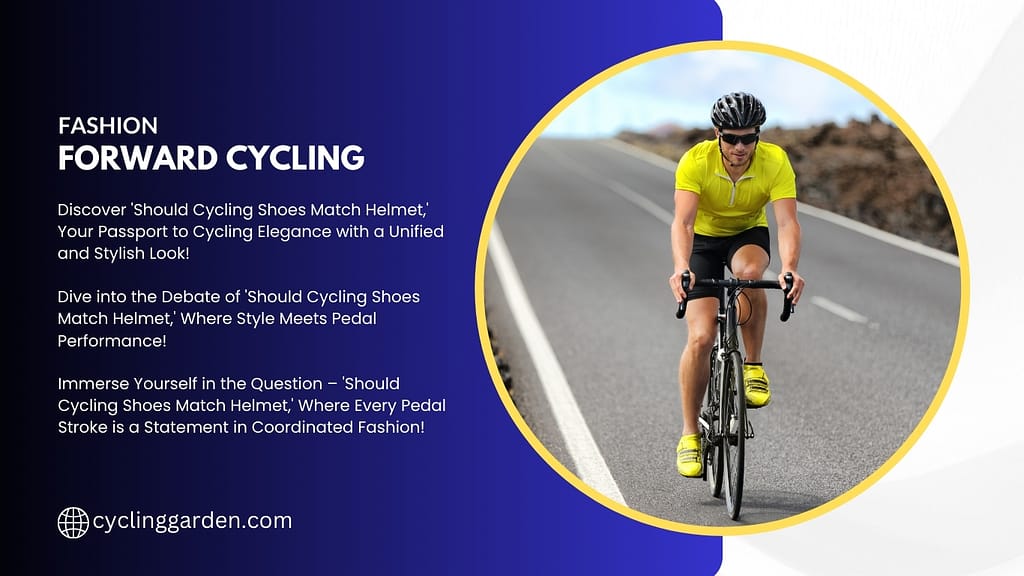
When it comes to cycling gear, there are many factors to consider. One of these is whether or not to match your cycling shoes with your helmet. This decision can impact not only your visual appeal but also your brand representation and safety considerations. In this post, we will explore the pros and cons of matching your cycling shoes with your helmet, so you can make an informed decision that suits your personal preferences and needs.
Pros of Should Cycling Shoes Match Helmet:
1. Matching your cycling shoes and helmet could enhance your overall appearance, contributing to a more professional and coordinated look.
2. Coordinating your gear can make you feel more confident, which may potentially improve your performance on the bike.
3. A matching set could be easier to buy if manufacturers offer them as part of a package or ensemble, possibly saving you time in selection.
4. It helps enthusiastic cyclists express their personal style and attention to detail, which could be seen as a testament to their commitment.
5. The uniformity of color might increase visibility on the road, enhancing safety.
Cons of Should Cycling Shoes Match Helmet:
1. Prioritizing style over function might lead you to compromise on the quality or fit of either the shoes or helmet.
2. The effort and cost involved in maintaining a matching set could be higher compared to mixing-and-matching according to need or preference.
3. Trends change rapidly; thus, investing in matching pairs might become outdated soon, making it economically inefficient.
4. You may limit yourself from exploring different brands or products if you’re only focusing on finding items that match each other perfectly.
5. Focusing too much on aesthetics can distract from the primary purpose of these items: safety and comfort during cycling.
In Conclusion: Prioritizing Safety While Expressing Personal Style in Cycling Gear
In today’s cycling world, prioritizing safety while expressing your personal style through your gear has become paramount. Gone are the days when cyclists had to compromise on either functionality or fashion. Now, with the latest cycling fashion trends, you can seamlessly merge both aspects and make a bold statement on the road.
One of the key factors to consider when choosing your cycling gear is safety. It is crucial to opt for equipment that offers maximum protection without compromising comfort. From helmets with advanced shock absorption technology to gloves with enhanced grip, there are numerous options available on the market that prioritize safety while still allowing you to showcase your unique style. Personal style expression plays an important role in today’s cycling culture. Cyclists now have an array of choices when it comes to colors, patterns, and designs that reflect their individuality and personality.
Whether you prefer vibrant hues or subtle tones, there are a wide range of visually appealing options to choose from. Cycling fashion trends have evolved significantly over the years, catering to diverse preferences and tastes. The industry now focuses not only on functionality but also on creating stylish gear that enhances performance. With advancements in fabric technology and innovative designs, you can find gear that not only looks great but also offers optimal breathability and moisture-wicking properties. When selecting functional gear that aligns with your personal style expression, it is essential to consider factors such as durability and versatility. Investing in high-quality apparel ensures longevity while allowing you to effortlessly incorporate different pieces into various cycling outfits.
FAQ: Should Cycling Shoes Match Helmet
1. Q: Should my cycling shoes match my helmet color?
A: While it’s not a requirement, matching your cycling shoes with your helmet can enhance your overall appearance and make you look more coordinated.
2. Q: Is there any functional reason to match cycling shoes with the helmet?
A: No, there isn’t a functional reason to do so. It’s purely an aesthetic choice.
3. Q: Does matching my helmet with my cycling shoes improve safety?
A: Matching does not inherently improve safety; however, brightly colored gear can increase visibility on the road regardless of whether it matches or not.