Choosing the ideal bike transcends the simple act of purchase—it’s an intentional investment in your health, lifestyle, and the unbridled joy that cycling brings. A bicycle is more than a means of transport; it becomes an extension of your body, a reflection of your aspirations, and a tool to master the terrains you dare to explore. Yet, amidst a seemingly infinite selection of bike types, finding “the one” can feel like navigating an intricate maze. But when you do, the payoff is nothing short of transformative.
A properly chosen bike doesn’t just take you from point A to B; it elevates your experience, marrying comfort, efficiency, and safety into one seamless ride. Picture this: an adventurous trailblazer conquering rugged mountain paths, a focused road cyclist chasing speed and precision, or a laid-back commuter weaving effortlessly through urban landscapes. The right bike amplifies your abilities, adapting to your purpose and unlocking unparalleled performance and sheer pleasure.
This guide is your compass, designed to illuminate the complex, multifaceted world of cycling. By delving into the nuances of what makes a bike not only functional but perfect for you, we aim to empower your decision-making. A journey into cycling isn’t just about wheels and frames—it’s about embracing a lifestyle tailored to your every need.
Factors to Consider When Choosing a Bike
Choosing the right bike is an important decision that can significantly affect your overall cycling experience. With so many different types of bikes available, understanding what to look for based on your specific needs is crucial. Whether you’re cycling for recreation, commuting, or sport, the right bike can make all the difference. This comprehensive guide explores the key factors to consider when choosing a bike, ensuring you make an informed decision that suits your goals, preferences, and lifestyle.
Your Riding Purpose: Recreation, Commute, or Sport
The first and most important factor when choosing a bike is understanding your riding purpose. Are you riding for recreation, commuting, or sport? Your purpose will determine the features you prioritize, the type of bike you select, and the level of performance you require.
Recreation: Comfortable and Relaxed Rides
If you plan to ride casually for enjoyment, comfort should be your primary focus. Leisure riders usually prefer bikes that offer a relaxed geometry and cushioned seating. Hybrid, cruiser, or electric bikes are great choices for leisurely rides, as they provide comfort without compromising on convenience.
Commuting: Efficiency and Practicality
For daily commuting, you need a bike that is efficient, easy to handle, and capable of navigating through city streets or light trails. Hybrid bikes, electric bikes (e-bikes), or folding bikes are well-suited for commuters, providing a balance between speed and comfort.
Sport: Performance and Speed
If you’re looking for a bike designed for speed and performance, a road bike or mountain bike will meet your needs. Road bikes are ideal for long-distance cycling, while mountain bikes excel in off-road terrain. Both types focus on performance, durability, and speed.
Terrain Types: Road, Trail, or Mixed Use
Choosing a bike also depends on the terrain you’ll be riding on. Whether you’re cruising on paved roads, exploring rough trails, or navigating mixed terrains, each bike type is designed to perform optimally on specific surfaces.
Road Terrain: Smooth and Fast Rides
If you’ll be riding primarily on paved roads, road bikes are your best choice. With lightweight frames, narrow tires, and aerodynamic geometry, these bikes are built for speed and efficiency. Whether you’re cycling on highways or urban streets, road bikes offer minimal rolling resistance for a smooth and fast ride.
Trail Terrain: Durability and Control
For rugged terrains, such as dirt paths, rocks, and hills, a mountain bike is the ideal option. These bikes come equipped with wider tires and suspension systems to absorb shocks and provide greater control on uneven ground. Their durable frames and powerful brakes allow you to tackle more challenging trails with confidence.
Mixed Terrain: Versatility for Various Surfaces
If you plan to ride on a combination of roads and trails, a hybrid bike or gravel bike offers the versatility you need. With medium-width tires and a comfortable geometry, these bikes can handle a variety of surfaces, from smooth pavement to rough gravel paths.
Frequency and Duration of Use
How often you plan to ride and how long your rides will be are also crucial factors in choosing the right bike.
Frequent Riders: Durability and Comfort
For those who cycle regularly, investing in a bike that is durable and comfortable is essential. Mountain bikes, road bikes, and gravel bikes are built for frequent use, offering the necessary durability for long-distance or off-road riding. Electric bikes are also a good option for daily riders, especially for those who want assistance on longer rides.
Occasional Riders: Light and Portable Options
If you’re a more occasional rider, comfort and convenience may take precedence. Cruiser bikes or folding bikes offer easy handling and portability, making them perfect for short, relaxed rides. Hybrid bikes are also an excellent choice for infrequent riders, offering both comfort and performance.
Your Budget and Long-Term Value
Your budget plays a significant role in determining which bike is right for you. However, it’s important to consider the long-term value of the bike, as investing in quality can save you money in the future. Higher-end bikes are typically built with durable materials and offer superior components, ensuring better performance and longevity.
Budget-Friendly Options
If you’re working with a tighter budget, hybrid bikes, cruiser bikes, or folding bikes are excellent choices. These bikes offer a solid balance between price, performance, and comfort without breaking the bank.
Premium Bikes
For those willing to invest more in their biking experience, road bikes, mountain bikes, and electric bikes are available in high-performance models. These bikes often feature lightweight carbon fiber frames, advanced suspension systems, and state-of-the-art gearing systems, ensuring superior speed, durability, and overall performance.
Types of Bikes and Their Features
Understanding the different types of bikes available is key to making the right choice for your needs. Each type is designed for specific purposes and comes with unique features that enhance your riding experience.
Road Bikes: Speed and Efficiency
Road bikes are designed for high-performance cycling on smooth roads. They feature lightweight frames, narrow tires, and aerodynamic geometry that reduce drag and increase speed. These bikes excel in long-distance rides and racing.
Key Features of Road Bikes:
- Lightweight construction for faster rides.
- Narrow tires for reduced rolling resistance.
- Multiple gears for efficient shifting on various inclines.
Best Scenarios for Road Bikes:
- Competitive cycling and racing.
- Long-distance rides on smooth, paved roads.
Mountain Bikes: Built for the Trails
Mountain bikes are engineered to tackle rough terrains like trails, rocks, and steep inclines. With wide tires, suspension systems, and strong frames, mountain bikes offer the control and durability needed for off-road adventures.
Key Features of Mountain Bikes:
- Wide, knobby tires for enhanced grip on uneven surfaces.
- Suspension systems to absorb shocks and provide comfort.
- Durable frames for withstanding tough terrain.
Trail Performance and Durability:
- Excellent for technical trail riding and downhill cycling.
Hybrid Bikes: Versatility for All Riders
Hybrid bikes combine the best elements of road bikes and mountain bikes. They feature medium-width tires for versatile riding, an upright seating position for comfort, and a sturdy frame for durability.
Ideal Uses for Hybrid Bikes:
- Commuting through city streets and parks.
- Leisurely rides on mixed terrains.
Electric Bikes (E-Bikes): Effortless Rides
Electric bikes come equipped with pedal-assist motors that provide additional power as you ride. These bikes are perfect for commuters, recreational cyclists, and older riders who need some extra help to tackle inclines or long distances.
How E-Bikes Work:
- Motor-assisted pedaling allows for less effort and more speed.
- Rechargeable batteries provide power for long rides.
Advantages of Using an E-Bike:
- Reduced fatigue on long rides.
- Faster commuting with less effort required.
Gravel Bikes: Designed for Adventure
Gravel bikes are perfect for riders who enjoy mixed-terrain cycling. These bikes feature wider tires for improved traction on gravel and dirt roads while maintaining the speed and efficiency of road bikes.
Perfect for Off-the-Beaten-Path Rides:
- Great for adventure cycling and long-distance rides across varied surfaces.
Cruiser Bikes: Comfort and Style for Leisure Riders
Cruiser bikes are designed for relaxed, leisurely rides on paved paths. They offer an upright riding position, comfortable seats, and classic styling.
Best for Flat, Paved Paths:
- Ideal for beach rides, short commutes, and casual cycling.
Folding Bikes: Compact and Travel-Friendly
Folding bikes are designed for easy storage and portability. They are perfect for commuters who need to fold their bike and take it on public transport or store it in small spaces.
Great for Urban Commuters:
- Compact design for easy storage and travel.
BMX Bikes: Performance-Oriented Design
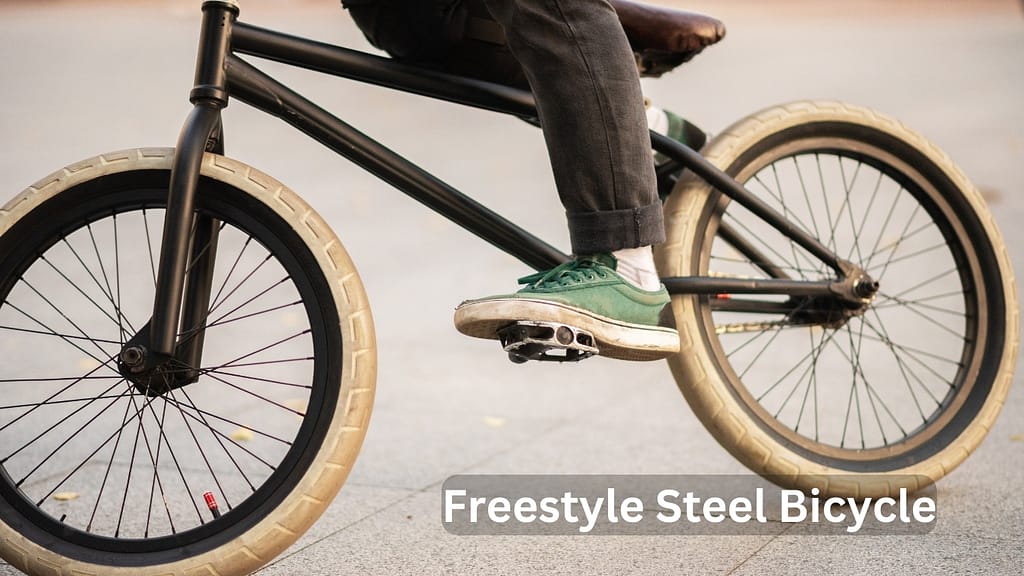
BMX bikes are built for trick riding, stunt cycling, and competitive racing. They feature strong frames, small wheels, and sturdy tires to withstand heavy impacts and sharp maneuvers.
Who Should Consider a BMX Bike:
- Trick cyclists and competitive BMX racers.
Choosing the right bike depends on several factors, including your purpose, terrain, frequency of use, and budget. By considering these factors and understanding the features of different types of bikes, you can select the perfect bike that suits your needs, whether for commuting, recreation, or sport.
Sizing and Fit: Getting It Right
When it comes to choosing the perfect bike, getting the sizing and fit correct is crucial for comfort, performance, and overall enjoyment. Whether you’re a recreational cyclist, a dedicated commuter, or a competitive rider, ensuring that your bike fits properly can enhance your riding experience and prevent unnecessary discomfort or injury. This comprehensive guide will walk you through all the aspects of measuring yourself for a bike, understanding frame sizes, common sizing mistakes, and selecting the right features based on your riding style and preferences.
How to Measure Yourself for a Bike
Getting the right size bike starts with knowing your body measurements. Although bike sizing can seem complicated at first, taking accurate measurements can make all the difference.
- Inseam Measurement: The inseam is one of the most important factors when choosing the correct bike size. Stand with your feet about 6–8 inches apart and measure the distance from the floor to your crotch. For road bikes, multiply this measurement by 0.67 to estimate your ideal frame size in centimeters. For mountain bikes, multiply by 0.69.
- Height Measurement: Knowing your height is also essential for determining the proper size range. This will give you an idea of what frame sizes fall within your ideal range based on height charts.
- Reach and Torso Length: For more advanced fit, consider your reach and torso length. These measurements affect the handlebar position and can make a huge difference in comfort. A professional bike fitting can help you refine these details if necessary.
Importance of Frame Size and Adjustments
The frame size of your bike plays a critical role in how well you can ride. A properly sized frame ensures you can maintain a proper riding position, maximizing both comfort and efficiency. For instance:
| Type of Bike | Frame Size and Adjustments |
| Road Bike | Frame size should allow a low, aggressive riding position for speed. Adjust the seat height for efficient pedaling and handlebar height for aerodynamics. |
| Mountain Bike | Frame size should be slightly larger for better control and comfort on rough terrains. Adjust the suspension and seat height for smoother rides over obstacles. |
| Hybrid Bike | Frame size should offer an upright position for comfort. Adjust the seat and handlebars for a balanced, relaxed ride, especially for daily commuting. |
| Commuter Bike | Frame size should be optimized for comfort and efficiency. Adjustments to seat height and handlebar position can improve posture during longer commutes. |
| Cruiser Bike | Frame size should allow for a more upright riding position for added comfort. Adjust the handlebars and seat to ensure a relaxed and casual ride. |
| Gravel Bike | Frame size should provide a stable ride on rough surfaces. Adjust seat height and handlebars to balance comfort and control during off-road riding. |
| Electric Bike (e-bike) | Frame size should accommodate the motor and battery weight while maintaining stability. Adjustments should focus on seat height and handlebar position for comfort and efficiency. |
| Kids’ Bike | Frame size should match the child’s height, allowing for a comfortable reach to pedals and handlebars. Adjust the seat and handlebars as they grow. |
| Women’s Bike | Frame size should consider shorter top tubes for a more comfortable and ergonomic fit. Adjust seat height and handlebar position for optimal comfort. |
| Folding Bike | Frame size should allow for compact folding while maintaining rideability. Adjustments to seat and handlebars can make folding and unfolding easier. |
This table aids in determining the correct frame size and adjustments for different bike types, optimizing comfort and performance during rides.
Common Mistakes When Choosing Bike Sizes
Even experienced cyclists make mistakes when it comes to choosing the right bike size. Here are some of the common mistakes you should avoid:
| Common Mistakes When Choosing Bike Sizes | Explanation |
| Overlooking Standover Height | Not checking for enough clearance when standing over the bike can lead to difficulty in dismounting or maneuvering. |
| Ignoring Reach Adjustments | Failing to adjust the handlebar and saddle position for optimal reach can lead to discomfort and poor posture. |
| Choosing Based on Looks Rather Than Fit | Prioritizing appearance over comfort and functionality can result in a bike that doesn’t suit your body and riding style. |
| Relying Only on One Size Chart | Using a single brand’s size chart can be misleading, as sizing may vary across manufacturers. Always check the guide. |
| Not Testing the Bike Before Purchase | Purchasing a bike without testing it can lead to issues with fit and comfort that may not be immediately apparent. |
| Overestimating or Underestimating Frame Size | Opting for a larger or smaller frame than needed can affect comfort, control, and performance. |
| Ignoring Adjustability Features | Failing to make use of adjustable components, like saddle height or handlebar angle, can limit comfort and performance. |
| Not Considering Riding Style and Purpose | Choosing a bike size without considering how and where you plan to ride may lead to an uncomfortable or inefficient fit. |
| Choosing a Bike Based on Rider Experience | New cyclists may choose a bike size based on perceived skill, while experienced riders may need a different fit for comfort. |
| Underestimating the Importance of Pedal and Crank Length | Incorrect pedal and crank length relative to your height and riding style can cause discomfort and inefficiency. |
This table helps highlight key mistakes cyclists should avoid when selecting the right bike size for optimal comfort and performance.
Performance and Features to Look For
When selecting the right bike for your needs, it’s crucial to consider the performance and features that will best suit your riding style.
Gearing Systems and Their Applications
The gear system on your bike is essential for determining how easy or difficult it will be to ride in various terrains.
- Single-Speed Bikes are best for flat terrain, where minimal effort is needed.
- Multi-Gear Bikes are versatile and can help you conquer various terrains, from hilly roads to steep mountain paths.
- Electronic Shifting offers precision and is found in high-performance bikes, allowing quick gear changes with minimal effort.
Choosing the right gearing system depends on your riding style. For urban commuters, a simple gear setup might suffice, while mountain bikers and road cyclists often benefit from more gears.
Suspension Options: Hardtail, Full Suspension, or None
Suspension plays an important role in comfort, particularly for off-road cyclists.
- Hardtail Bikes feature suspension in the front fork but have a rigid rear. They are lightweight and effective for cross-country riding and some trail riding.
- Full Suspension Bikes have both front and rear suspension, making them more suitable for challenging trails and rougher terrain.
- No Suspension is common in road bikes or commuter bikes, providing better efficiency on smooth roads but less comfort on bumpy surfaces.
Choosing the right suspension depends on the terrain you plan to tackle regularly.
Tire Types and Their Impact on Ride Quality
Tires significantly influence your bike’s performance and ride quality. Here’s a breakdown of different tire types:
| Bike Type | Tire Type | Description | Impact on Ride Quality |
| Road Bike | Road Tires | Smooth and narrow, designed for fast speeds and minimal rolling resistance on paved roads. | Provides speed and efficiency on smooth, paved surfaces. Offers minimal grip on rough terrain. |
| Mountain Bike | Mountain Bike Tires | Knobby and wide, designed for maximum grip on dirt, gravel, and uneven trails. | Excellent traction and control on rough and uneven surfaces. Slower speeds on pavement. |
| Hybrid Bike | Hybrid Tires | A combination of road and mountain bike tires, offering grip for light trails while maintaining road speed. | Offers a balance between speed on roads and traction on light trails, making it versatile. |
| Gravel Bike | Gravel Tires | Wider tires with a tread pattern suited for gravel paths and uneven terrain. | Provides stability and control on gravel and dirt paths while maintaining reasonable speed. |
| Touring Bike | Touring Tires | Slightly wider tires designed to carry loads over long distances. | Offers comfort for long rides and durability for rough surfaces, helping with load-bearing. |
| Commuter Bike | Commuter Tires | Designed for city roads and occasional light trails, offering puncture resistance and durability. | Provides durability and comfort for daily use in urban environments, often with puncture protection. |
| Fat Bike | Fat Tires | Extremely wide tires designed for soft surfaces like sand, snow, or mud. | Provides stability and traction on soft or loose surfaces but sacrifices speed on firm ground. |
| E-Bike | E-Bike Tires | Tires designed to handle the extra weight and speed of electric bikes, often with added durability and grip. | Ensures safety and stability, especially at higher speeds or with the added weight of the motor. |
| Cruiser Bike | Cruiser Tires | Wider tires with a smooth tread, designed for comfort and casual rides on flat terrain. | Maximizes comfort and stability, ideal for leisurely rides on smooth, flat surfaces. |
| Cyclocross Bike | Cyclocross Tires | Wider tires with a mix of smooth and knobby patterns for varied terrain, typically for racing. | Provides a balance between speed and grip, suitable for mixed terrain, including dirt and mud. |
This table explains the different tire types across various bike categories, highlighting their influence on ride quality and performance.
Balancing Comfort and Style
Choosing a bike isn’t just about performance—it’s also about comfort and style. If you’re going to spend hours in the saddle, comfort is paramount.
- Ergonomic Designs: Many modern bikes feature ergonomic designs, including contoured saddles, handlebar grips, and shock-absorbing components, which can make long rides more comfortable.
- Customizing for Personal Comfort: Seat padding, handlebar angles, and stem length can be adjusted to fit your body. If you suffer from back or wrist pain, look for models that feature a more relaxed geometry.
Finding a balance between comfort, fit, and style will ensure that your bike not only performs well but also fits your personal preferences.
Maintenance and Longevity
Proper bike maintenance is crucial for prolonging the life of your bike and ensuring it continues to perform at its best.
Basic Maintenance Tips for Any Bike
- Regular Cleaning: Keeping your bike clean helps prevent dirt and debris from wearing down components, especially the gears and brakes.
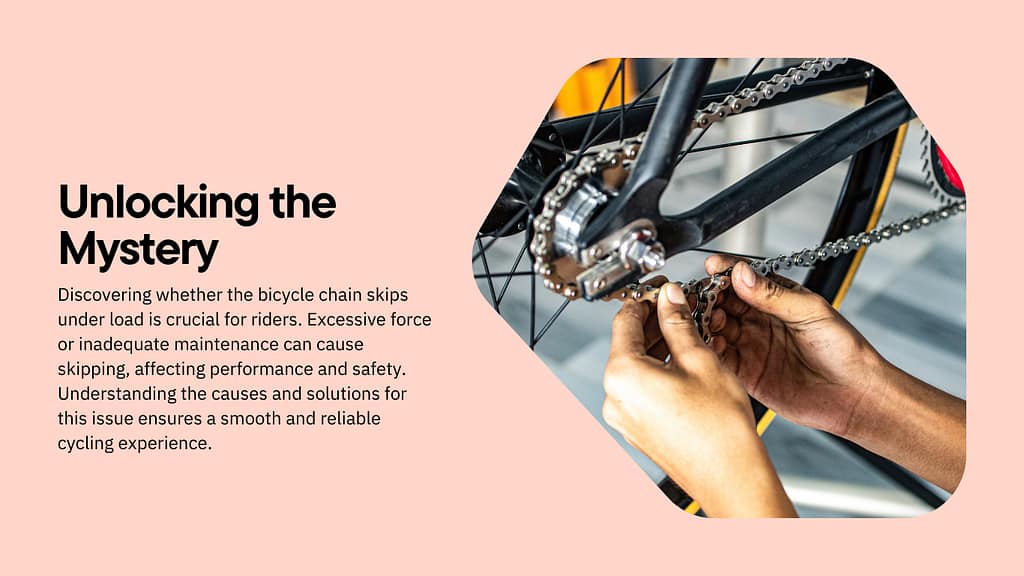
- Lubricating the Chain: A well-lubricated chain reduces friction, extends the lifespan of your drivetrain, and ensures smooth shifting.
- Checking Tire Pressure: Under-inflated tires reduce performance and increase the risk of flats. Consistently inspect and inflate your tires to the suggested pressure level.
Upgrading vs. Replacing Your Bike Over Time
Over time, parts like the drivetrain, wheels, and brakes will wear out. Consider upgrading individual parts for better performance and longevity. However, if the frame or key components are too worn, it might be more cost-effective to replace the bike altogether.
Environmental and Health Benefits of Biking
Cycling isn’t just a convenient and efficient mode of transportation; it also provides numerous environmental and health benefits.
Reducing Your Carbon Footprint
By choosing cycling over driving, you contribute to reducing emissions, helping combat climate change. Cycling produces zero emissions and requires minimal energy compared to other forms of transportation.
Physical and Mental Health Advantages of Regular Cycling
Cycling is an excellent way to stay fit. It boosts cardiovascular health, strengthens muscles, and improves joint mobility. Additionally, cycling helps reduce stress, promotes mental well-being, and enhances mood.
Budget Considerations
Your budget plays a significant role in determining the type of bike you can purchase. While entry-level bikes are more affordable, they may lack advanced features like high-end suspension or sophisticated gearing systems.
Finding the Best Bike Within Your Price Range
Set a budget and stick to it. Look for bikes that offer good value for money and meet your needs. Entry-level bikes are perfect for casual riders or commuters, while higher-end models are best suited for performance enthusiasts.
When to Invest in High-End Models
If you’re an experienced rider or plan on cycling frequently, investing in a high-end model might be worth it. These bikes offer improved performance, durability, and comfort, making them ideal for competitive cyclists or those who ride long distances regularly.
Accessories to Enhance Your Cycling Experience
Cycling is more than just a mode of transportation; it’s a way to embrace an active lifestyle, reduce your carbon footprint, and enjoy the outdoors. Whether you’re a seasoned rider or a beginner, the right accessories can significantly improve your cycling experience. From essential safety gear to useful add-ons for comfort and utility, the right tools can make a world of difference. This comprehensive guide will help you navigate through the accessories that will take your cycling to the next level.
Essential Safety Gear
When cycling, safety should always be your top priority. The right safety gear not only protects you but also increases your confidence on the road.
Helmets
A helmet is the most crucial safety accessory for cyclists. It protects your head in case of an accident or fall, reducing the risk of serious injuries. When choosing a helmet, make sure it fits snugly, has proper ventilation, and meets safety standards (look for certifications like CPSC or EN1078).
Lights and Reflectors
Whether you’re cycling in the day or night, visibility is key. Front and rear lights are essential for evening and night rides. Make sure your front light is bright enough to illuminate your path, and the rear light is visible to other riders and drivers. Reflective stickers and bands can also be added to your bike and gear for enhanced visibility.
Gloves
Cycling gloves provide both protection and comfort. They help absorb shocks, reduce vibrations, and protect your hands during falls. Full-finger gloves are perfect for colder weather, while fingerless gloves are great for warmer climates, offering ventilation and better grip.
Pads and Guards
Knee and elbow pads are vital for riders tackling rough terrains or urban cyclists navigating through traffic. Additionally, chainstay protectors and fork guards help prevent damage to your bike during crashes or while storing it.
Useful Add-Ons for Comfort and Utility
Cycling accessories aren’t just about safety; many products are designed to enhance your riding comfort and provide utility.
Padded Shorts and Seat Cushions
A long ride can sometimes leave you feeling sore, especially in the seat area. Padded cycling shorts are designed with strategically placed padding to provide comfort and prevent chafing. If you find your current bike seat uncomfortable, consider adding a seat cushion or switching to a more ergonomic saddle that suits your riding style.
Water Bottles and Cages
Staying hydrated while cycling is essential. Invest in a water bottle cage that attaches to your bike frame, making it easy to carry a water bottle with you. Insulated bottles can keep your drink cold for longer periods, particularly during summer rides.
Phone Mounts
For cyclists who use their phone for navigation or music, a phone mount is an excellent accessory. It keeps your phone securely attached to the bike, allowing you to focus on the road while still being able to access important features.
A cycling computer tracks vital data like speed, distance, cadence, and elevation. More advanced models can sync with heart rate monitors and GPS to help you track your performance. This information is invaluable for anyone training for events or just looking to improve their cycling experience.
Bike Bags and Racks
Cycle racks are useful for carrying extra gear, such as groceries or a change of clothes. Bike bags come in various styles, including handlebar bags, saddlebags, and backpacks, to carry your essentials while keeping your hands free.
Specialized Bikes for Unique Needs
While all bikes are designed to offer unique advantages, some types are specifically tailored to certain needs.
Kids’ Bikes: Safety and Fun Features
For kids, safety and fun are the top priorities. Look for bikes that are the right size, with training wheels for beginners or a lightweight frame for older children. Many bikes come with safety features like front and rear brakes, and reflective decals to ensure kids are visible while riding.
Women’s Bikes: Tailored for Comfort and Fit
Women’s bikes are designed to address the specific needs of female riders. Women’s frames generally have a shorter top tube and more upright geometry, offering a more comfortable ride. Saddle and handlebar design are also tailored to fit a woman’s body, providing optimal support for longer rides.
Adaptive Bikes for Special Needs Cyclists
Cycling can be an accessible activity for people with disabilities. Adaptive bikes are equipped with modifications like hand pedals, three or four-wheel configurations, and specialized seating arrangements to ensure that cyclists with mobility issues can enjoy cycling.
Decision-Making Guide
Choosing the right bike and accessories is a detailed process that requires consideration of several factors. Here’s a step-by-step guide to help you narrow down your options.
Step-by-Step Process to Narrow Down Your Choices
- Identify Your Purpose: Are you cycling for commuting, fitness, or recreation? Understanding your main goal will help you select the right type of bike.
- Assess Your Budget: The amount you’re willing to spend will determine the bike type and accessories available to you. Balance quality with price.
- Test the Bike: Always test ride the bike before purchasing. It helps you determine if the bike feels comfortable and suits your needs.
- Research Accessories: Identify what accessories you need based on your cycling goals. Whether it’s safety, comfort, or utility, the right accessories will elevate your experience.
Testing and Trying Before You Buy
Before making any purchase, it’s crucial to test the bike and any accessories. If you’re new to cycling, visiting a local bike shop for advice and a fitting is a great place to start. Many shops offer test rides to ensure the bike fits correctly and suits your riding style.
Recap: Finding the Best Bike for Your Lifestyle
Cycling is a versatile activity that benefits individuals of all ages and abilities. Choosing the right bike and accessories can significantly enhance your experience, whether you’re commuting to work or riding for leisure. Safety should always be a priority, with accessories like helmets, lights, and gloves being non-negotiable. Comfort and utility are just as important, with products such as padded shorts, water bottles, and cycling computers ensuring that your ride is both enjoyable and efficient.
Key Takeaways for Bike Selection
- Safety gear is non-negotiable: helmets, lights, and reflective gear are essential.
- Choose comfort-focused accessories such as padded shorts and ergonomic saddles to make long rides more enjoyable.
- Specialized bikes for kids, women, and adaptive riders provide the perfect fit and enhance cycling experiences.
- Always test ride bikes and accessories before buying to ensure the perfect fit.