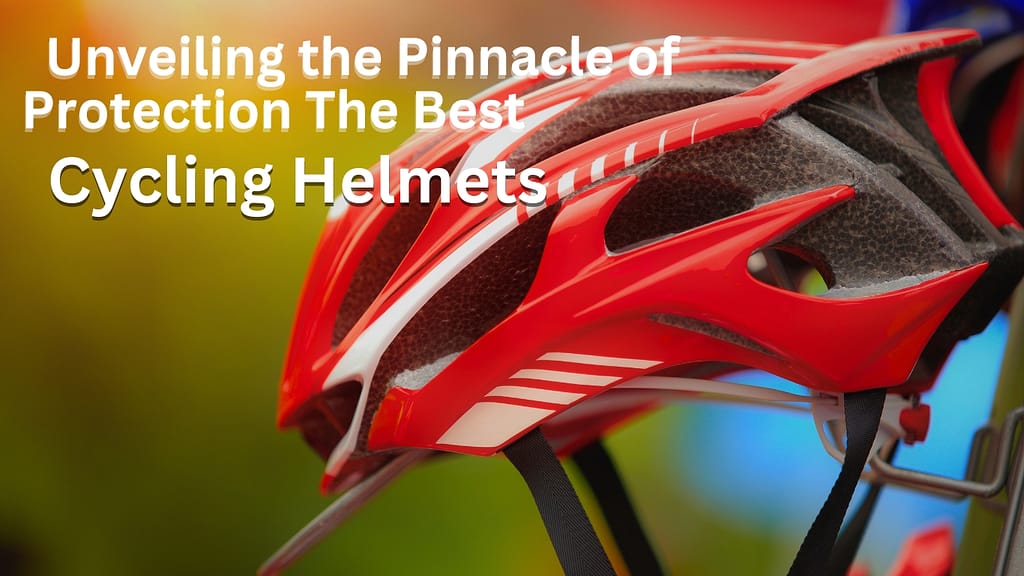
Finding the best cycling helmet for your needs is of utmost importance when it comes to ensuring your safety on the road. As a crucial piece of safety gear, a well-fitting and reliable helmet can provide essential head protection in case of accidents or falls.
A cycling helmet is specifically designed to absorb impact and reduce the risk of head injuries during cycling activities. It acts as a protective barrier between your head and what riding helmet is the safest any potential hazards you may encounter while riding, such as uneven terrain, collisions, or unexpected obstacles.
Investing in a high-quality bicycle helmet is not just about conforming to regulations; it’s about prioritizing your own well-being. With numerous options available on the market today, it’s essential to find the one that fits you perfectly and meets all necessary safety standards. Whether you’re an avid cyclist or simply enjoy occasional rides, choosing the right bike helmet should never be taken lightly. By doing thorough research and considering factors such as fit, ventilation, weight, and additional features like MIPS technology (Multi-directional Impact Protection System), you can ensure that you’re making an informed decision that will protect your head effectively.
Remember that accidents can happen at any time, even if you consider yourself an experienced rider. Wearing a properly fitted cycling helmet not only gives you peace of mind but also sets a positive example for others by demonstrating responsible cycling habits. So don’t compromise on safety – make finding the best cycling helmet for your needs a priority. Your head deserves nothing less than optimal protection while enjoying the exhilarating experience of biking.
Factors to Consider When Selecting a Cycling Helmet
Choosing the right cycling helmet is crucial for your safety and comfort while riding. There are several factors that you should consider when selecting a cycling helmet, including safety, fit, ventilation, weight, aerodynamics, and visibility. In this post, we will discuss each of these factors in detail to help you make an informed decision when choosing a cycling helmet. By considering these factors, you can ensure that you are selecting a helmet that provides adequate protection, fits properly, allows for proper airflow, is lightweight, offers good aerodynamics, and provides visibility to others on the road. Bike helmet safety facts.
Safety: Ensuring proper certification and impact protection

- As cycling continues to gain popularity, both as a mode of transportation and a fitness activity, safety remains paramount. At the core of safety equipment is arguably the most essential piece: the cycling helmet. But what is the best cycling helmet? The answer isn’t straightforward, but there are key elements to look for: proper certification and impact protection.
- In regards to certification, helmets should meet the standards set by recognized organizations such as the U.S. Consumer Product Safety Commission (CPSC), and Snell Memorial Foundation, or even better if it’s certified by multiple bodies. A certified helmet guarantees that it has gone through rigorous testing processes for impact management and, therefore, can provide reliable protection during falls or collisions with vehicles. Meanwhile, excellent impact protection means that the helmet efficiently disperses forces upon contact rather than concentrating them on a person’s head, which greatly reduces the chances of serious injuries. The combination of proper certification and superior impact protection marks out a top-tier cycling helmet.
Fit: Finding the right size and adjustable features for a snug fit.
- Finding the ideal cycling helmet is more than just picking out a stylish accessory. It’s about ensuring your safety while enjoying the exhilaration of a bike ride. The first critical factor to consider when buying a helmet is its fit. An ill-fitting helmet can compromise its effectiveness in protecting your head, which makes understanding how to get the best fit and what adjustable features to look for essential.
The quest for what is the best cycling helmet begins with determining your correct size. This can be done by measuring around your head’s broadest part, usually a little above the eyebrows, using a flexible tape measure or string. Once you have this measurement, match it with the manufacturer’s sizing chart when selecting your helmet. Look out for helmets that offer adjustable features such as straps and retention systems riding without a helmet at the back of the helmet that ensure it sits snugly on your head without being uncomfortable or overly tight.
Ventilation: Assessing airflow and cooling mechanisms for comfort during rides
- Ventilation is a crucial aspect to consider when cycling, especially during long rides or under hot weather conditions. As such, one cannot underestimate the significance of assessing airflow and cooling mechanisms if comfort is a priority during rides. The best cycling helmet should also ensure appropriate ventilation to aid in maintaining a cool head and reducing sweating, which may lead to discomfort and potentially compromise vision due to sweat trickling into the eyes.

- What, then, would qualify as the best cycling helmet? In my opinion, it should be one that optimally combines safety features with advanced ventilation systems for superior airflow. Helmets with larger vents tend to provide better circulation; however, these must be strategically placed so as not to compromise the structural integrity of the helmet in case of an accident. Furthermore, some high-end helmets feature internal channeling systems that guide air over your head once it enters through the front vents. These ensure you remain cool during your ride while simultaneously protecting your head from potential harm.
Weight: Balancing lightweight design without compromising safety
- Determining what is the best cycling helmet can be an intricate task. The market is flooded with countless brands, each claiming to offer the ultimate balance of lightweight design and safety. Despite the daunting selection, I find that prioritizing safety over time often leads me in the right direction. However, it’s also essential not to overlook comfort and fit – features that significantly enhance one’s cycling experience.
- In my quest to find a helmet that provided security without weighing heavily on my head, I came across numerous innovative designs. Many manufacturers employ high-tech materials to create remarkably lightweight helmets without compromising their protective capabilities. It was fascinating to witness how advanced technology has facilitated this perfect harmony between weight and safety in modern-day cycling helmets.
- However, it’s important not to get overly swayed by marketing terms or gimmicks when choosing a helmet. Instead, taking the time to research independently and learn about various certification standards can empower you as a consumer and help you make an informed decision about what is the best cycling helmet for you. After all, ensuring your safety while enjoying your ride should always remain paramount.
Aerodynamics: Considering helmet shape and wind resistance for faster rides
- As a passionate cyclist, I have always been intrigued by the correlation between helmet shape and wind resistance in achieving faster rides. It is surprising how much a well-structured helmet can enhance your riding speed and overall cycling performance. The quest to determine what is the best cycling helmet has led me on an enlightening journey about aerodynamics and how it affects our ability to cycle efficiently.

- Aerodynamically optimized helmets are designed with smooth, rounded surfaces that help reduce air drag as you ride. They typically feature elongated shapes and sometimes include tail sections that further minimize wind resistance – all of which contribute to increased speeds on long rides or races. The less air resistance there is, the less energy you have to exert, allowing you to maintain higher speeds for longer periods.
- However, choosing the best cycling helmet isn’t solely about aerodynamics; comfort plays a significant role, too. A great helmet should feel natural when worn; it shouldn’t be too tight or too loose – rather just right for your head size. Moreover, weight also comes into consideration as lightweight helmets provide better comfort during extended use, making them ideal for long-distance cyclists or competitive racers. It’s fascinating how intricate considerations like these can greatly impact one’s cycling experience and performance!
Visibility: Evaluating visibility features such as reflective elements or built-in lights
- In the realm of cycling, safety is paramount, and a crucial part of that is visibility. It, therefore, becomes critical to own the best cycling helmet that guarantees not just safety but also great visibility features such as reflective elements or built-in lights. When cycling in low light conditions, these features can make you more noticeable to drivers, which significantly lowers your chances of being involved in an accident.
- Evaluating visibility features when choosing a cycling helmet is not as complex as it may initially seem. The best cycling helmet should have ample reflection points or, preferably, built-in lights – either at the back or on both sides for maximum visibility. These additions allow other road users to spot you from far off, regardless of whether they are approaching you from behind or up ahead. Additionally, helmets with bright colors enhance daytime visibility, while those with reflective materials come in handy during night rides. Therefore, always prioritize helmets equipped with these outstanding visibility properties for a safer ride each time.
Budget: Determining a suitable price range for your needs
Determining a suitable price range for your needs is an essential step when purchasing any product, but it becomes crucial when the product in question concerns safety. One such scenario was my quest to find out what is the best cycling helmet within my budget. As an ardent cyclist, ensuring my safety during rides was a top priority. However, I also wanted to address this concern without significantly straining my finances.
The process of finding the best cycling helmet required careful consideration regarding not only the quality of the helmet but also its cost. With myriad options in the market, each promising superior features and protection, deciding on which one would fit both my safety needs and budget became a task that required research and consultation with experts in this field. My aim was to strike a balance between affordability and optimum protection—the hallmark of any great purchase decision.
Budgeting wisely opened up new perspectives on value-for-money offerings rather than being swept away by high-end expensive models that could offer similar levels of protection at inflated prices. In conclusion, acknowledging your financial constraints while prioritizing your needs allows you to make sound purchase decisions that do not compromise on either aspect; after all, safety doesn’t always have to come with an exorbitant price tag!
Understanding Different Types of Cycling Helmets and Their Features
Cycling helmets are an essential piece of protective gear for cyclists. They are designed to provide safety and protection to the head in the event of a fall or crash. Understanding the purpose of cycling helmets is crucial for all cyclists to prioritize their safety on the road or trails. There are two main types of cycling helmets: road cycling helmets and mountain biking helmets.
Road cycling helmet
Road cycling helmets are specifically designed for cyclists who ride on paved roads or in races. These helmets are lightweight and have a streamlined shape to reduce wind resistance. The aerodynamic design of road cycling helmets helps cyclists to maintain their speed and efficiency on the road.

Road cycling helmets also feature a ventilation system that allows airflow to keep the head cool during long rides. This feature is particularly important as it prevents overheating and discomfort.
Choosing the best cycling helmet involves considering factors like safety features, ventilation, weight, comfort level as well and personal style preference. Remember that investing in a good quality helmet can make all the difference when it comes to enjoying our rides or pushing our limits safely on the pavement or off-road trails.
Mountain biking helmet
Mountain biking helmets, on the other hand, are designed for off-road cycling adventures. These helmets offer more coverage and protection to the head and are built to withstand the impact of falls and crashes. They typically have a visor to provide additional protection from sun, rain, and debris.
Impact protection is a key feature of mountain biking helmets. They are constructed with materials that absorb and distribute the force of impact, reducing the risk of head injuries. Similar to road cycling helmets, mountain biking helmets also have a ventilation system. This is important for keeping the head cool, especially during intense rides on challenging terrain.

Cycling helmets are a crucial piece of gear that every cyclist should invest in. They provide protection and safety, especially in the event of a fall or crash. Understanding the purpose and different types of cycling helmets allows cyclists to choose the right helmet for their specific needs, ensuring a safe and enjoyable riding experience.
Key Features to Consider When Choosing a Cycling Helmet for Your Needs
Determining what is the best cycling helmet often depends on a variety of factors, including personal needs, preferences and safety features. An essential feature to consider when deciding on the ideal helmet is its impact protection technology. This might seem obvious, but not all helmets are created equal in this regard. Some have advanced technologies that offer superior protection against impacts, such as dual-density foam or multi-directional impact protection systems (MIPS). MIPS technology significantly reduces rotational forces during an oblique impact, which can be crucial for protecting your brain during a fall or crash.
Visor or no visor? It’s another important consideration when choosing the perfect cycling helmet. While some cyclists prefer helmets with visors for their ability to shield from sunlight and rain, others may find them obstructive to their view and opt for helmets without one. Ultimately, whether you choose a helmet with a visor will depend largely on your particular riding conditions and personal comfort preference. Remember that the primary goal is always ensuring maximum safety while delivering comfort during rides.
Tips for Proper Helmet Maintenance and Care
Helmet maintenance and care are important for the safety and effectiveness of your cycling helmet. Regular upkeep and proper care how to wear cycle helmet prolong the helmet’s lifespan and ensure it provides the necessary protection. This outline provides tips for maintaining and caring for your helmet.
1. Cleaning Your Bike Helmet
- Cleaning is important to remove sweat, dirt, and particles that can affect performance and comfort.
- Use mild soap or helmet-specific cleaners, a soft cloth or sponge, and water.
- Gently remove detachable parts, scrub internal padding and straps, wash the shell, rinse thoroughly, air dry or towel dry, and reassemble the helmet.
2. Storing Your Cycling Helmet
- Proper storage protects the helmet from damage and preserves its integrity.
- Choose a cool, dry, and well-ventilated area to prevent heat or moisture damage.
- Avoid placing heavy objects on top of the helmet, as it may cause deformation or compromise its integrity.
- Consider investing in a helmet bag for additional protection during transportation or storage.
3. Regular Helmet Inspection

- Visually inspect the shell for cracks, dents, or any signs of damage that may impact its protective capabilities.
- Check that the straps are securely fastened, without fraying or wear, and functioning properly.
- Inspect internal padding for deterioration and replace if necessary for comfort and safety.
Keep track of the manufacturer’s recommended lifespan and how long does a cycle helmet last replace the helmet if it has exceeded the expiration date.
4. Handling and Transporting
- Handle the helmet with care to prevent potential damage from dropping or mishandling.
- Securely attach the helmet to your bike or transportation bag when not in use.
- Consider using a helmet bag or case when traveling or transporting the helmet to prevent scratches or accidental damage.
- Proper helmet maintenance and care are crucial for safety and longevity. By following these tips for cleaning, storing, inspecting, and handling your helmet, you can ride with confidence, knowing your equipment is in excellent condition. Remember to regularly check and maintain your helmet to ensure its effectiveness in protecting your head during every ride.
Pros of the Best Cycling Helmet:
1. The best cycling helmet offers superior protection, reducing the risk of serious head injuries in case of an accident.
2. It is designed with ventilation features that keep the rider cool during long rides or hot weather conditions.
3. High-quality helmets often come with a comfortable fit and adjustable straps for different head sizes, ensuring optimum comfort for all riders.
4. Some of the top-performing helmets have aerodynamic designs, which can enhance speed and performance by reducing wind resistance.
5. Many high-end cycling helmets have added features like integrated lights or visors, increasing visibility and protection from elements.
Cons of the Best Cycling Helmet:
1. The best cycling helmets can be quite expensive, making them potentially unaffordable for many riders.
2. They could be more substantial in weight due to additional protective features which might cause discomfort to some users on longer rides.
3. Certain designs might compromise on style or aesthetics to deliver high performance and safety standards, so they may not appeal to every user’s taste.
4. Sometimes, these top-tier helmets have complex adjustment systems that can complicate fitting them properly onto your head.
5. Features such as built-in light indicators or Bluetooth technology in some premium cycling helmets may require regular charging or battery replacements, adding to the maintenance efforts needed by the user.
Conclusion: Invest in the Best Cycling Helmet to Ensure Maximum Safety on Every Ride
It is essential to invest in the best cycling helmet that ensures maximum safety on every ride. The question of what is the best cycling helmet often arises among avid cyclists and beginners alike. It’s not just about purchasing any helmet; it’s about choosing a high-quality one that provides superior protection, comfort, and durability. Remember that a good quality helmet could be the difference between a minor injury and a life-threatening situation in case of an accident.
The answer to what is the best cycling helmet may vary according to individual preferences, but some universal attributes apply to all top-notch helmets. They should meet safety standards, fit perfectly without discomfort, have adequate ventilation for long rides, and offer robust construction with impact-absorbing materials.
Despite their higher price tag, investing in these helmets provides reassurance during your cycling endeavors, ensuring optimal protection and peace of mind. To sum up, prioritizing safety over cost by buying the best cycling helmet can never be overemphasized for every rider, regardless of skill level.
FAQ: what is the best cycling helmet
1. What is the best cycling helmet?
A: The best cycling helmet is subjective and depends on individual preferences and needs. However, there are several factors to consider when choosing a cycling helmet. These include safety certifications, fit and comfort, ventilation, weight, and additional features such as MIPS technology or integrated lights. It’s advisable to test out various helmets and seek guidance from experienced staff or peruse reviews to identify the optimal helmet fitting your unique needs and budget. Always prioritize ensuring your helmet fits correctly and adheres to safety standards to guarantee sufficient protection while cycling.