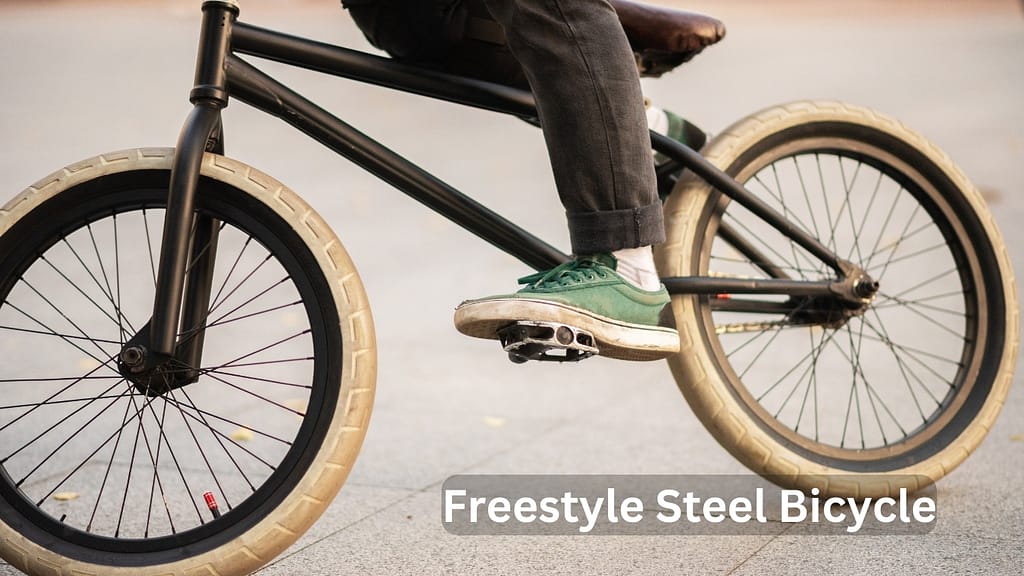
Ultra cycling is a fascinating discipline that pushes the limits of human endurance and showcases the remarkable capabilities of athletes. It involves long-distance cycling events that go beyond traditional road races, challenging participants to cover immense distances within a specified time frame. Often referred to as extreme or endurance cycling, ultra cycling tests both physical and mental resilience. In essence, ultra cycling can be defined as the pursuit of covering extraordinary distances on a bicycle, typically exceeding 200 miles (320 kilometers) in a single ride. These events can range from 24-hour races to multi-day challenges spanning thousands of miles. Participants must possess exceptional stamina, determination, and strategic planning skills to successfully complete these arduous journeys.
Ultra cyclists face numerous obstacles along their routes, including unpredictable weather conditions, varying terrain, and sleep deprivation. They must carefully manage their energy levels and nutrition intake to sustain themselves throughout the grueling rides. The physical demands are immense, requiring cyclists to maintain an efficient pedaling technique while enduring prolonged periods of exertion. While ultra cycling may seem daunting to some, it has gained significant popularity among adventure-seeking athletes who thrive on pushing their limits. These events offer not only personal growth but also an opportunity for individuals to connect with like-minded enthusiasts who share a passion for long-distance biking.

So, we will delve deeper into the world of ultra cycling by exploring different types of races, training strategies employed by athletes, equipment considerations, and notable achievements in this awe-inspiring sport.
The physical and mental challenges faced by Ultra Cyclists
Ultra cycling, defined as cycling distances over 200 miles in a single event, presents unique physical and mental challenges for athletes. These endurance events push cyclists to their limits, testing their physical stamina and mental resilience.
One of the primary challenges faced by ultra cyclists is the sheer demand for long-distance cycling. These events require participants to pedal for extended periods without breaks, often lasting several days or even weeks. The physical strain on the body can be immense, leading to fatigue, muscle soreness, and potential injuries. Ultra cycling is indeed a demanding endeavor that presents unique challenges to participants. The prolonged duration of these events can push cyclists to their limits, both physically and mentally. The sheer demand of long-distance cycling requires participants to pedal for extended periods without breaks, often lasting several days or even weeks. The physical strain on the body during ultra cycling can be immense. Continuous pedaling for such extended periods puts tremendous pressure on various muscle groups, which can lead to fatigue and muscle soreness.
Additionally, the repetitive motion of pedaling can result in overuse injuries such as tendinitis or stress fractures if proper precautions are not taken. To take on these challenges successfully, what is cycling in mental health, ultra cyclists need to prioritize proper training and preparation. This includes gradually increasing mileage in training rides, incorporating strength and flexibility exercises into their routine, as well as ensuring adequate rest and recovery periods between intense sessions.
–

Nutrition also plays a vital role in supporting the demands of long-distance cycling. Ultra cyclists must consume enough calories to sustain their energy levels throughout the event while staying hydrated and replenishing electrolytes lost through sweat. Another crucial aspect is mental resilience. Endurance sports like ultra cycling require mental fortitude to endure the monotonous nature of riding for hours on end without breaks or distractions. Developing strategies, such as setting small goals along the way or maintaining a positive mindset, can help riders stay focused and motivated during challenging moments. It is worth noting that participating in ultra-cycling events should always be approached with caution, especially for those who are new to long-distance riding. Consulting with healthcare professionals or experienced coaches can provide valuable guidance specific to individual circumstances and help mitigate the potential risks associated with this demanding sport.
Overall, while ultra-cycling presents significant challenges due to its extreme physical demands, thorough preparation encompassing physical conditioning, nutrition management, and mental resilience can go a long way in maximizing performance while minimizing risks associated with fatigue or injury. It is not just the physical demands that make ultra cycling challenging; mental resilience plays a crucial role as well. Endurance athletes must overcome moments of doubt and mental fatigue during these grueling rides. Maintaining focus and motivation becomes increasingly difficult as fatigue sets in. You’re absolutely right! Ultra cycling is indeed a challenging endeavor, not only because of its physical demands but also because of the mental resilience it requires. Endurance athletes participating in ultra cycling face moments of doubt and mental fatigue throughout these grueling rides. As the body becomes fatigued, maintaining focus and motivation can become increasingly difficult.
However,
Developing strategies to overcome these challenges can greatly enhance an athlete’s performance. Some tactics include:
1. Mindset training: Practicing positive self-talk and visualization techniques can help athletes stay focused and motivated even when faced with doubt or fatigue.
2. Break it down: Breaking the ride into smaller, manageable segments allows athletes to focus on each section individually rather than feeling overwhelmed by the entire distance.
3. Establish goals: Setting realistic goals for different checkpoints along the route provides a sense of accomplishment and helps maintain motivation throughout the ride.
4. Utilize support systems: Having a support crew or fellow riders who understand the mental challenges involved in ultra cycling can provide encouragement and motivation during tough moments.
5. Focus on nutrition and hydration: Ensuring proper fueling is essential for both physical stamina and mental clarity during long rides.
By incorporating these strategies into their training program, endurance athletes can cultivate mental resilience that will enable them to overcome doubts, push through fatigue, and achieve their goals in ultra cycling events.

Ultra cyclists often face unpredictable weather conditions and varying terrains that add another layer of complexity to their journey. They must adapt quickly to changing circumstances while battling extreme temperatures or navigating treacherous landscapes. To succeed in ultra cycling, athletes must develop strategies to cope with these challenges. This includes proper training and conditioning of the body to endure long hours on the bike. Mental preparation is equally vital; cultivating a strong mindset helps athletes push through pain barriers and overcome moments of doubt.
Training and preparation for Ultra events
Ultra-cycling events are not for the faint of heart. These grueling races require a high level of endurance, mental toughness, and physical preparation. Whether you’re a seasoned cyclist or new to the sport, proper training and preparation are essential for success. In this blog post, we will explore how to train for endurance cycling, the key training tips and strategies that will help you conquer ultra cycling events and achieve your goals. From building endurance to mastering nutrition and recovery, we will cover it all. So grab your bike and let’s get started on your journey to ultra cycling greatness. Preparing for long distance rides and building endurance as a cyclist requires a strategic approach to your training.
Here are some tips to help you become an ultra cyclist:
- Gradually increase mileage: Start by gradually increasing the distance of your rides each week. This will help your body adapt to the demands of longer rides and build endurance over time.
- Focus on endurance training. Incorporate long, steady rides into your training regimen. These rides should be at a lower intensity, allowing you to build your aerobic base and improve your body’s ability to sustain effort over extended periods.
- Interval training: Intervals are an effective way to increase your cycling speed and improve your overall fitness. Incorporate high-intensity intervals into your training plan to boost your anaerobic capacity and make your body more efficient at handling high-intensity efforts during long rides.
- Strength training: Don’t neglect strength training, as it plays a crucial role in improving cycling performance and preventing injuries. Focus on exercises that target the muscles used in cycling, such as squats, lunges, and calf raises.
- Nutrition and hydration: Proper nutrition and hydration are vital for endurance athletes. Make sure you fuel your body with a balanced diet, including carbohydrates for energy, protein for muscle repair, and healthy fats for sustained energy. Stay hydrated by drinking water regularly during rides, especially on longer distances.
- Recovery: Allow yourself enough time to rest and recover between training sessions. Adequate recovery is essential for muscle repair and growth, helping you avoid overtraining and reduce the risk of injuries.
- Mental preparation: Ultra cycling requires mental toughness. Practice mental strategies such as visualization, positive self-talk, and setting achievable goals to stay focused and motivated during long rides.
Remember, consistency is key when it comes to building endurance as an ultra cyclist. Gradually increase your training load, listen to your body, and make adjustments as needed to ensure a safe and successful journey towards your long-distance riding goals.
Famous Ultra Cycling Races Around the World
Ultra-cycling races are some of the most challenging and demanding events in the world of cycling. These races push cyclists to their limits, both physically and mentally, as they cover hundreds or even thousands of miles in extreme conditions. In this blog post, we will explore some of the most famous ultra cycling races around the world, highlighting the notable events and showcasing the world’s toughest bike races. Whether you’re an avid cyclist looking for your next challenge or simply interested in learning about these incredible feats of endurance, this post will provide you with valuable insights and information. So, let’s dive in and explore the world of ultra-cycling races together.
ultra-cycling events
Ultra cycling events have a special place in my heart; they are not merely races but a testament to gel pad cycling gloves, human resilience, endurance, and determination. These extreme tests of physical and mental strength take us through some of the most breathtaking landscapes across the globe. Every year, hundreds of avid cyclists from different corners of the world assemble to participate in these challenges, willing to push their limits beyond imaginable boundaries.

From Race Across America (RAAM), traversing 3000 miles across North America, to Tour Divide, stretching over 2745 miles along the Rocky Mountains, these events offer irresistible allure for both participants and spectators alike.
The unique blend of adventure, athleticism, and picturesque landscapes makes ultra cycling events stand out as an enthralling spectacle for everyone interested in outdoor sports or cycling. As someone who has actively followed these races for years now, I can say that each race comes with its own set of difficulties, be it geographical terrain or unpredictable weather conditions. Every factor contributes towards making these races more challenging yet captivating. The Transcontinental Race through Europe is another adrenaline-pumping event that requires cyclists to self-navigate while covering various checkpoints spread across different countries. But perhaps one particular race that always captures my fascination is Australia’s Indian Pacific Wheel Race (Indi Pac), which offers an unparalleled journey spanning from Perth on the western coast all the way to Sydney Opera House on the eastern coast.
notable ultra races
Ultra cycling races are not for the fainthearted. They demand grit, determination, and a level of physical stamina that most people can only dream of achieving. Throughout the year, across all corners of the world, these notable ultra races unfold in epic fashion, presenting cyclists with unique challenges and unforgettable landscapes. The Race Across America (RAAM) is often considered one of the most prestigious ultra-cycling events. It’s a grueling coast-to-coast race that spans over 3000 miles across the United States, from Oceanside, California, to Annapolis, Maryland. Considered one of the toughest in terms of distance and terrain variety, it has been attracting cyclists from around the globe since its inauguration in 1982.

Another outstanding event is the Transcontinental Race in Europe, which crisscrosses several countries, including France, Belgium, and Greece. With no fixed route or support team allowed during this race, participants must rely solely on their own strength and resourcefulness to navigate through varying terrain, be it mountainous landscapes or flat plains. These races serve as an ultimate test of endurance for those who believe life thrives beyond comfort zones.
world’s toughest bike races
Ultra cycling races have always fascinated me, both for their intensity and the incredible endurance of the athletes who participate in them. Renowned for their extreme distances and grueling terrain, these competitions are considered among the world’s toughest bike races. From desolate desert paths to steep mountain passes, each course offers a unique set of challenges that require the utmost physical stamina and mental resilience to overcome.
Regardless of whether you are a participant or simply an eager spectator like myself, these ultra cycling races provide riveting experiences that leave lasting impressions. The Race Across America (RAAM) undeniably stands out as one of the most respected and longest-running ultra-cycling events globally. Covering around 3,000 miles from coast to coast across the United States within a strict time limit has made RAAM legendary amongst cycling enthusiasts worldwide. Another notable event is the Tour Divide, which stretches over 2,745 miles along the Great Divide Mountain Bike Route. It’s not just an extreme test of endurance but also navigational skills with its self-supported ruleset. Meanwhile, in Europe, the Transcontinental Race traverses several different countries, covering approximately 4,000 kilometers, with participants deciding their route between checkpoints, adding another layer of complexity and making it one of my personal favorites.
Overall,
So, participating in ultra cycling races can be a challenging and rewarding experience for cyclists. These races offer a unique opportunity to push your physical and mental limits while also exploring some of the most breathtaking landscapes around the world. Whether you’re a seasoned cyclist looking for a new challenge or a beginner seeking to test your endurance, there are numerous ultra cycling races to choose from. From the Race Across America to the Transcontinental Race, each event has its own unique characteristics and demands. So, if you’re up for the challenge, start training and get ready to embark on an unforgettable journey in the world of ultra cycling.
The Rewards and Benefits of Participating in Ultra Cycling
Participating in ultra cycling can bring about numerous rewards and benefits, both personally and physically. Engaging in this challenging sport offers opportunities for personal growth, a sense of accomplishment, and improved physical and mental well-being. One of the most notable rewards of participating in ultra cycling is the personal growth that comes with pushing oneself beyond perceived limits. Enduring long distances and overcoming physical and mental obstacles can foster resilience, determination, and self-belief. Ultra races provide a platform for individuals to discover what not to do when riding a bicycle, their inner strength and develop a greater understanding of their capabilities. The sense of accomplishment derived from completing an ultra race is unparalleled. Crossing the finish line after hours or even days on the saddle brings an overwhelming feeling of achievement. The dedication, training, and perseverance required to conquer such a demanding feat instill a deep sense of pride that extends beyond the realm of cycling.

Beyond personal growth and achievement, ultra cycling also offers significant physical health benefits. Long distance riding helps improve cardiovascular fitness by strengthening the heart muscles and increasing lung capacity. The sustained effort required during these races also aids in burning calories, promoting weight loss or maintenance. Engaging in regular endurance activities like ultra cycling can have positive effects on mental health as well. Cycling releases endorphins—neurotransmitters responsible for feelings of happiness—which can alleviate stress, anxiety, and depression. Additionally, spending time outdoors while riding allows individuals to connect with nature and enjoy the therapeutic benefits it provides.
Tips for Beginners: How to Start with Ultra Cycling Safely and Enjoyably
Ultra cycling, which involves riding long distances, typically over 200 miles, can be both challenging and rewarding. If you’re a beginner looking to start your journey into ultra cycling, here are some tips to help you get started safely and enjoyably:
1. Build your fitness gradually:
Ultra cycling requires a high level of endurance. Start by escalating the distance and difficulty of your rides gradually. Incorporate longer rides into your training regimen to prepare your body for the demands of ultra cycling.
2. Schedule your rides and establish objectives:
Plan your route and set realistic goals before you go on an ultra cycling adventure. Schedule your rides and make goals. Work your way up from shorter distances at first. This will help build your confidence and ensure a more enjoyable experience.
3. Invest in the right gear:
Ultra cycling requires reliable equipment. Get a well-fitted bike that suits your needs, whether it’s a road bike, touring bike, or gravel bike. Consider getting a professional bike fit to ensure you’re comfortable and efficient on the bike. Additionally, invest in quality cycling apparel, including padded shorts, jerseys, gloves, and a helmet.
4. Train for endurance and strength:
To tackle long distances, focus on building both endurance and strength. Include regular training rides that push your limits while also incorporating strength training exercises off the bike to improve overall fitness.
5. Practice nutrition and hydration strategies:
When riding long distances, proper nutrition and hydration are crucial. Experiment with different foods and drinks during training rides to find what works best for you. Aim to consume a mix of carbohydrates, proteins, and fats to sustain energy levels throughout the ride.
6. Take regular breaks:
It’s important to listen to your body during long rides. Take regular breaks to stretch, refuel, and rest as needed. Ignoring signs of fatigue or pain could lead to injuries or burnout.
7. Ride defensively and follow traffic rules:
Safety should always be a top priority. Obey traffic laws, wear high-visibility clothing, and use lights when riding in low-light conditions. Be mindful of other road users and practice defensive riding techniques to reduce the risk of accidents.
8. Carry essential supplies:
Prepare for emergencies by carrying essential supplies such as a spare tube, tire levers, pump, multitool, and a first aid kit. Additionally, have a well-thought-out plan for communication and emergency contacts.
Pros of Ultra Cycling:
1. Ultra cycling is an excellent way to improve physical fitness, as it involves long periods of cardiovascular exercise.
2. It can provide a sense of adventure because it typically includes exploring new places and challenging terrain over extended distances.
3. Practicing ultra cycling enhances endurance levels, improving not only physical stamina but also mental resilience.
4. Participating in ultra cycling events fosters a strong sense of community and camaraderie among cyclists.
5. The sport can offer an intense feeling of accomplishment upon completing such demanding rides.
Cons of Ultra Cycling:
1. Ultra cycling requires a significant amount of time for training and actual races, which may interfere with personal or work commitments.
2. The sport can lead to serious health issues if not properly prepared for, including dehydration, exhaustion, or injuries due to accidents.
3. Equipment for ultra cycling—high-quality bikes, gear, and necessary technology—can be quite expensive.
4. Differing weather conditions might pose additional challenges or risks during ultra-long rides.
5. Without proper nutrition management before and during the ride, one could face energy crashes or other health complications.
Conclusion: Embrace the Challenge and Experience the Thrill of Ultra Cycling
Embracing the challenge of ultra cycling can be a thrilling and rewarding experience. It requires dedication, perseverance, and a strong mental and physical mindset. By pushing your limits and training hard, you can achieve incredible feats and discover a whole new level of accomplishment. Ultra cycling allows you to explore new places, meet like-minded individuals, and push your body to its limits. So, if you’re up for the challenge, grab your bike, train hard, and embrace the thrill of ultra cycling.
FAQ: What is ultra cycling?
1. Q: Are there any specific rules for ultra cycling?
A: Yes, each event will have its own set of rules, but generally, riders must be self-supported and follow a specified route.
2. Q: Do you need special equipment for ultra cycling?
A: Apart from a reliable bicycle, you’ll need good-quality lights, comfortable clothing, as well as food and water supplies for the journey.
3. Q: Is it safe to do ultra cycling alone?
A: It depends on the individual’s fitness level and experience with long-distance riding. However, due to the extreme nature of this sport, it’s often recommended to ride in a group or have backup support.
4. Q: Can beginners participate in ultra cycling events?
A: While there are no restrictions on who can participate, beginners should ensure they are physically prepared and understand the challenges associated with such long-distance events before signing up.