Are you ready to embark on a two-wheeled adventure but feeling lost in a maze of options? With an overwhelming array of styles, features, and price ranges, choosing the ideal bicycle can feel like navigating an intricate labyrinth. If you’re wondering, “What kind of bicycle should I buy?” you’re not alone. Whether you’re commuting through bustling city streets, tackling rugged mountain trails, or leisurely exploring your local neighborhood, selecting the perfect bike isn’t just a choice—it’s a cornerstone of your cycling experience. Let us simplify this daunting process and guide you toward the ride that fits your lifestyle like a glove.
Understanding the Distinctive Sorts of Bicycles
Choosing the right bicycle isn’t merely about practicality; it’s a journey that can redefine your connection with the outdoors. Whether you’re a seasoned rider chasing new thrills or a novice stepping into the world of cycling, understanding the various types of bikes and their unique features is the key to unlocking your ideal match. Below, we unravel the most popular categories of bicycles, their benefits, and who they cater to best.
Road Bikes: Ideal for Speed and Long Distances
Features of Road Bikes
Road bikes are designed to deliver speed, precision, and optimal performance on smooth, paved roads. They typically feature:
- Lightweight frames made from aluminum, carbon fiber, or steel, designed to enhance aerodynamics.
- Narrow tires with minimal tread to reduce rolling resistance.
- Drop handlebars that allow riders to adopt a more aerodynamic position.
- Multiple gearing options, enabling smooth transitions across flat roads and challenging inclines.
Who Should Choose a Road Bike?
Road bikes are perfect for cyclists who enjoy:
- Long-distance rides on smooth roads.
- Competitive racing or group rides.
- Training for endurance and fitness.
Their lightweight build and high-speed capabilities make them ideal for road enthusiasts and commuters covering significant distances on paved paths.
Mountain Bikes: Built for Adventure and Tough Terrain
Types of Mountain Bikes
Mountain bikes are specifically designed to handle rugged terrain and off-road adventures. Key variations include:
- Cross-Country Bikes: Lightweight and efficient, ideal for long trails and moderate off-road climbs.
- Trail Bikes: Versatile and balanced, suitable for mixed terrain and technical trails.
- Downhill Bikes: Heavily built for descending steep, rocky paths with maximum control.
Advantages of Mountain Bikes
- Durability: Robust frames and suspension systems (front or dual) absorb shocks from rough terrain.
- Wide tires with deep treads for enhanced grip on uneven surfaces.
- Powerful disc brakes, ensuring safety and precision even on slippery descents.
Mountain bikes cater to thrill-seekers and those exploring backcountry trails, forests, and mountainous regions.
Hybrid Bikes: The Best of Both Worlds
Why Hybrid Bikes Are Great for Commuters and Casual Riders
Hybrid bikes blend the features of road and mountain bikes, offering a versatile option for urban commuters and recreational riders. Here’s why they stand out:
- Comfortable geometry with upright seating for better posture.
- Moderate tire width ensures stability while maintaining decent speed.
- Compatible with pavement, gravel paths, and light trails.
- Fender and rack options, making them commuter-friendly.
Hybrids excel in urban environments and on mixed terrain, making them an excellent choice for casual cyclists and daily commuters.
Gravel Bikes: Perfect for Versatile Riders
Exploring On-Road and Off-Road Options
Gravel bikes have surged in popularity for their adaptability to a wide range of surfaces. They share similarities with road bikes but offer:
- Wider tires for added stability and grip on gravel, dirt, and uneven trails.
- Sturdier frames built to endure rougher conditions.
- A more relaxed geometry, providing greater comfort during long rides.
These bikes are perfect for adventurers seeking to combine road cycling with off-road exploration. Whether tackling country lanes or forest tracks, gravel bikes deliver unmatched versatility.
Electric Bikes: Assistance for All Levels
How E-Bikes Are Revolutionizing Cycling
Electric bikes, or e-bikes, are equipped with battery-powered motors that provide pedal assistance, transforming the cycling experience. Key features include:
- Multiple power modes, allowing riders to adjust assistance levels based on terrain or effort.
- Extended range capabilities, perfect for long-distance commuters or touring.
- Compatibility with various bike types, including road, mountain, and hybrid models.
E-bikes are a game-changer for people of all fitness levels, offering a boost on steep climbs, reducing physical strain, and encouraging more people to embrace cycling.
Understanding the different types of bicycles is essential to selecting the one that matches your specific needs and goals. Road bikes are perfect for speed enthusiasts, while mountain bikes cater to adventurous riders. Hybrid bikes provide a comfortable balance for urban and casual cyclists, and gravel bikes unlock the freedom to explore diverse terrains. Lastly, electric bikes make cycling accessible to everyone, offering enhanced support and convenience. No matter your choice, the right bike will elevate your cycling journey, whether for commuting, fitness, or exploration.
Factors to Consider When Choosing a Bicycle
Selecting the right bicycle is a critical decision that impacts your overall riding experience. From comfort to performance, the perfect bike should meet your specific needs while complementing your lifestyle. Below, we explore key factors to consider to ensure you make an informed choice.
Riding Purpose: What Do You Need Your Bike For?
Understanding your primary purpose for riding helps narrow down your choices. Different bike types cater to specific activities, and choosing one tailored to your needs enhances both efficiency and enjoyment.
Commuting
For daily commuting, look for:
- Hybrid bikes with upright seating for comfort.
- Features like fenders and racks for carrying bags or groceries.
- Durable tires designed to handle urban roads with minimal maintenance.
Leisure
Leisure riders benefit from:
- Comfortable cruiser bikes with padded saddles and wide handlebars.
- Step-through frames, making mounting and dismounting easy.
- Bikes with low-maintenance drivetrains, ensuring a relaxed riding experience.
Fitness
If fitness is your goal, consider:
- Road bikes for endurance training and speed on paved paths.
- Lightweight models with multiple gears to tackle hills and flat terrain effectively.
- Spin or stationary bikes for indoor workouts when outdoor cycling isn’t an option.
Competitive Cycling
Competitive cyclists require:
- High-performance racing bikes with aerodynamic frames.
- Advanced gear systems for seamless speed transitions.
- Customizable components, allowing precise adjustments for individual preferences.
Budget: Finding a Bike That Fits Your Wallet
Your budget plays a significant role in determining the type of bike and features you can afford. Balancing cost and quality ensures you get the most value for your investment.
Entry-Level vs. Premium Bikes
- Entry-level bikes are ideal for beginners, offering basic functionality without breaking the bank.
- Premium bikes, often crafted from materials like carbon fiber, deliver unmatched performance but come at a higher price.
Balancing Cost and Features
- Prioritize features like durability, weight, and gearing over aesthetic appeal.
- Look for seasonal sales or second-hand options to find premium models at reduced costs.
- Avoid overpaying for unnecessary features if you’re a casual rider.
Bike Fit and Comfort: Why Size Matters
A properly fitted bike is crucial for comfort, efficiency, and injury prevention. Ignoring this factor can lead to discomfort and reduced riding enjoyment.
Importance of Professional Bike Fitting
- A professional bike fitting ensures that your bike is tailored to your height, leg length, and riding style.
- Proper alignment reduces the risk of knee strain and back discomfort.
Adjusting Handlebars and Saddles
- Ensure handlebars are at a height that prevents excessive bending of the back.
- Opt for an adjustable saddle to accommodate different riding positions.
- Ergonomic grips can alleviate wrist fatigue during longer rides.
Terrain and Riding Environment
The terrain you plan to ride on directly influences the type of bike you should choose. Matching your bike to the environment ensures a smoother and more enjoyable experience.
Urban Areas vs. Rugged Trails
- For urban areas, lightweight hybrid or road bikes with slick tires are optimal.
- Rugged trails require mountain bikes equipped with wide, knobby tires for better grip.
Bikes for Mixed Terrain
- If you frequently switch between city roads and trails, a gravel bike offers the versatility needed for diverse surfaces.
- Hybrid bikes with semi-treaded tires are another excellent choice for mixed environments.
Choosing the right bicycle is about balancing your needs with your environment and budget. Whether commuting daily, exploring rugged trails, or training for fitness, a well-selected bike will elevate your riding experience. Consider your purpose, prioritize comfort, and match your bike to the terrain to ensure a satisfying and productive cycling journey.
Key Features to Look for in a Bicycle
Choosing the perfect bicycle involves considering various factors that determine its performance, durability, and suitability for your needs. From frame material to braking systems, understanding the key features is crucial for making an informed decision.
Frame Material: Steel, Aluminum, or Carbon Fiber?
The frame material plays a significant role in a bicycle’s weight, durability, and comfort. Each material has distinct advantages and disadvantages, making it essential to match the choice to your riding style.
| Frame Material | Pros | Cons |
| Steel | Durable and flexible; offers a smooth and comfortable ride. Ideal for long-distance touring and rough terrain. | Heavier compared to other materials; prone to rust if not maintained properly. |
| Aluminum | Lightweight and affordable; provides excellent responsiveness and is resistant to rust. Perfect for road bikes and casual riders. | Can feel stiff on rough surfaces due to lower flexibility, reducing comfort on long rides. |
| Carbon Fiber | Extremely lightweight and aerodynamic; absorbs vibrations well, enhancing comfort. Ideal for competitive cycling. | Expensive and requires careful handling; less durable under heavy impact. |
Gearing Systems: Single-Speed vs. Multi-Gear
The gearing system affects how efficiently you can ride across various terrains and conditions. Selecting the right gears depends on your riding environment and fitness level.
| Gearing System | Pros | Cons |
| Single-Speed | Simple to maintain, lightweight, and ideal for flat terrains or urban commuting. | Lacks versatility for hilly areas or challenging terrains. |
| Multi-Gear Systems | Offers flexibility for steep hills and long distances; allows fine-tuned control over speed and effort. | Heavier bike and requires more maintenance due to the complexity of additional gears. |
Brake Types: Disc vs. Rim Brakes
Brakes are a critical safety feature, and understanding their differences helps in choosing a system that aligns with your riding habits.
| Brake Type | Pros | Cons |
| Disc Brakes | Powerful stopping ability; excellent performance in wet or muddy conditions; ideal for mountain bikes and all-weather commuting. | More expensive; slightly heavier compared to rim brakes. |
| Rim Brakes | Lightweight; cost-effective; easy to maintain; suitable for casual riding. | Performance decreases in wet conditions; can wear down rims over time. |
Top Bicycle Recommendations for Different Riders
Selecting the right bike isn’t just about features; it’s also about matching the bike to the rider’s experience and budget. Below, we highlight top recommendations for various types of cyclists.
| Category | Bike Type | Key Features | Examples |
| Best Bikes for Beginners | Hybrid Bikes | Versatile, combines road and mountain bike features; ideal for first-time riders. | Giant Escape 3, Trek FX 1 |
| High-Performance Bikes for Professionals | Road Bikes | Aerodynamic design, premium components; designed for competitive cycling. | Specialized Tarmac SL7, Canyon Aeroad CF SL |
| Budget-Friendly Picks for Casual Riders | Cruiser Bikes | Comfortable, stylish, perfect for relaxed rides around town. | Schwinn Wayfarer, Electra Cruiser 1 |
Selecting a bicycle requires balancing key features with your unique needs and preferences. From the frame material to accessories, each element contributes to your overall cycling experience. Whether you’re a beginner, professional, or casual rider, there’s a perfect bike out there for you.
Common Mistakes to Avoid When Buying a Bicycle
Buying a bicycle is a commitment to improving your health, enjoying leisure activities, and enhancing your daily commute. However, many buyers make avoidable mistakes that can lead to dissatisfaction or unnecessary costs. Here are some typical mistakes and tips to avoid them.
Neglecting Proper Bike Fit
Ensuring the right bike fit is crucial for maximizing comfort, enhancing performance, and preventing injuries. Many buyers, especially first-timers, neglect this crucial aspect.
- Ignoring Size Charts: Every brand has specific sizing guidelines. Failing to consult these can result in purchasing a bike that is too big or too small, leading to discomfort and inefficiency. Always measure your inseam and compare it to the manufacturer’s recommendations.
- Assuming One-Size-Fits-All: Bikes vary significantly in geometry, even within the same size category. A medium size in one brand might feel different than another. Take the time to test and adjust accordingly.
- Skipping Professional Fitting: Many shops offer fitting services that tailor the bike to your body. A minor adjustment to saddle height, handlebar position, or pedal placement can make a world of difference.
Choosing Style Over Function
While aesthetics are important, prioritizing style over functionality can be a costly mistake.
- Overlooking Intended Use: A sleek road bike may look appealing but won’t perform well on rugged trails. Conversely, a bulky mountain bike might feel sluggish on paved roads. Assess your primary riding environment before making a decision.
- Falling for Trends: Features like ultra-light frames or advanced suspension systems might seem attractive but may not align with your needs. Always prioritize practicality over hype.
Ignoring Maintenance Costs
The initial cost of a bicycle is only part of the equation. Maintenance expenses can add up quickly.
- Failing to Budget for Repairs: Components like chains, tires, and brake pads wear out and need replacement. For example, road bike tires may require replacement more frequently if ridden on rough terrain.
- Overlooking Specialized Parts: Some high-end bikes have proprietary components that are more expensive to repair or replace. Research maintenance costs associated with your chosen model beforehand.
How to Test Ride a Bicycle Before Buying
A test ride is an invaluable step in the bike-buying process. Here’s how to evaluate comfort and performance effectively.
Tips for Assessing Comfort
Comfort is key for long-term satisfaction. During the test ride:
- Focus on Ergonomics: Check how your body feels in the saddle. Are your arms and back relaxed? Does the seat feel supportive?
- Evaluate Reach and Posture: Ensure you’re not overreaching for the handlebars. A neutral riding posture reduces strain and improves control.
- Test Different Terrains: Ride on various surfaces to assess how the bike handles bumps, inclines, and corners.
Assessing Performance
Performance factors will depend on the bike type and your riding goals.
- Shifting and Braking: Test the responsiveness of the gear shifters and brakes. Smooth shifting and reliable stopping power are non-negotiable.
- Acceleration and Handling: Pay attention to how quickly the bike accelerates and how well it responds to steering inputs. A bike that feels sluggish or unresponsive may not be the best fit.
- Suspension System: For mountain bikes, test the suspension over uneven terrain. Ensure it absorbs shocks effectively without feeling too bouncy.
Maintenance Tips for Your New Bicycle
A well-maintained bicycle lasts longer, performs better, and saves you money in the long run. Follow these essential maintenance practices to keep your bike in peak condition.
Regular Cleaning and Lubrication
- Keep It Clean: Dirt and grime can wear down components over time. Use a gentle detergent and a soft brush to clean the frame, drivetrain, and wheels after every ride in dirty conditions.
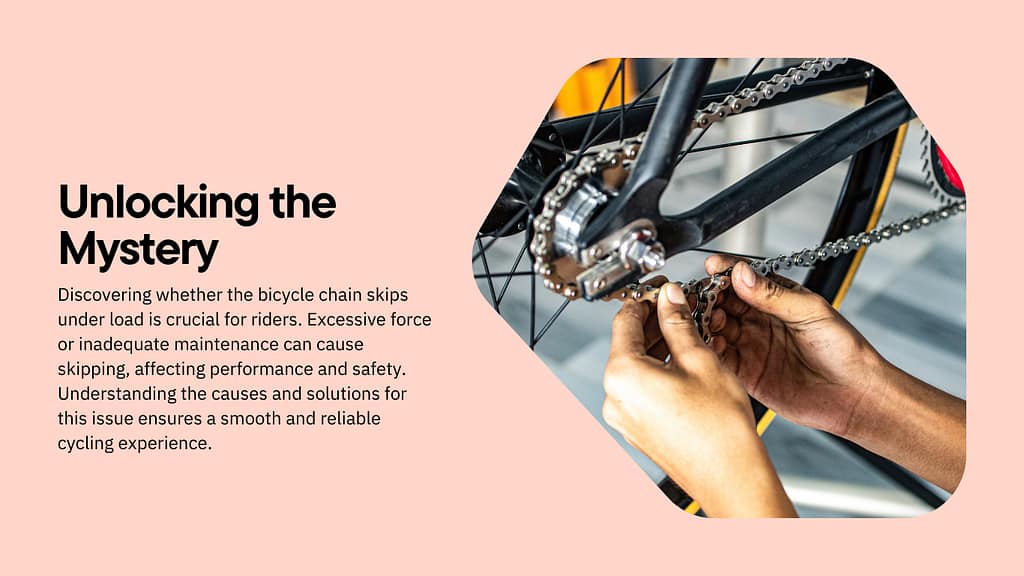
- Lubricate the Chain: A dry or rusty chain affects performance and increases wear. Apply bike-specific chain lubricant sparingly, and wipe off any excess to prevent attracting dirt.
Checking Tire Pressure and Brakes
- Monitor Tire Pressure: Underinflated tires can lead to sluggish rides and an increased risk of punctures. Check pressure regularly with a gauge, and adjust according to the manufacturer’s recommendations.
- Inspect Brakes Frequently: Ensure brake pads are aligned and have sufficient thickness. Always check the brakes before each ride to confirm they are functioning properly.
When to Seek Professional Servicing
Some maintenance tasks are best left to professionals:
- Annual Tune-Ups: A professional tune-up includes checking the alignment, tightening bolts, and fine-tuning components. This ensures your bike operates safely and efficiently.
- Replacing Worn Parts: Components like chains, cassettes, and bottom brackets require periodic replacement. A mechanic can advise you on timing and options.
Bikes for Mixed Terrain
For riders who enjoy versatility, a bike designed for mixed terrain is an excellent choice. These bikes balance speed, durability, and comfort to perform well on both pavement and trails.
Key Features of Mixed-Terrain Bikes
- Tire Versatility: Mixed-terrain bikes typically feature wider tires with moderate tread. This allows for better grip on gravel while maintaining efficiency on smooth roads.
- Sturdy Frames: Lightweight yet durable materials like aluminum or carbon are ideal. They offer strength without compromising speed.
- Gear Range: A wide gear range is essential for tackling varying gradients. Look for bikes with multiple chainrings or a large cassette.
Popular Categories
- Gravel Bikes: Designed specifically for unpaved roads, these bikes are a hybrid between road and mountain bikes.
- Adventure Bikes: Equipped for long-distance rides, adventure bikes often include mounting points for racks and panniers.
- Hybrid Bikes: Perfect for casual riders, hybrids combine road bike speed with mountain bike comfort and stability.
By avoiding common mistakes, test-riding thoroughly, and committing to regular maintenance, you can ensure a satisfying and long-lasting bicycle purchase. Whether you’re tackling city streets, forest trails, or a mix of both, the right bike and care routine will keep you riding smoothly for years to come.
Find Your Perfect Ride Today
Choosing the right bicycle doesn’t have to be a daunting task. By understanding your needs, budget, and riding environment, you can find a bike that perfectly suits your lifestyle. Whether you’re commuting to work, exploring nature, or racing for speed, there’s a bike out there for you. Test different models, consult experts, and enjoy the journey.