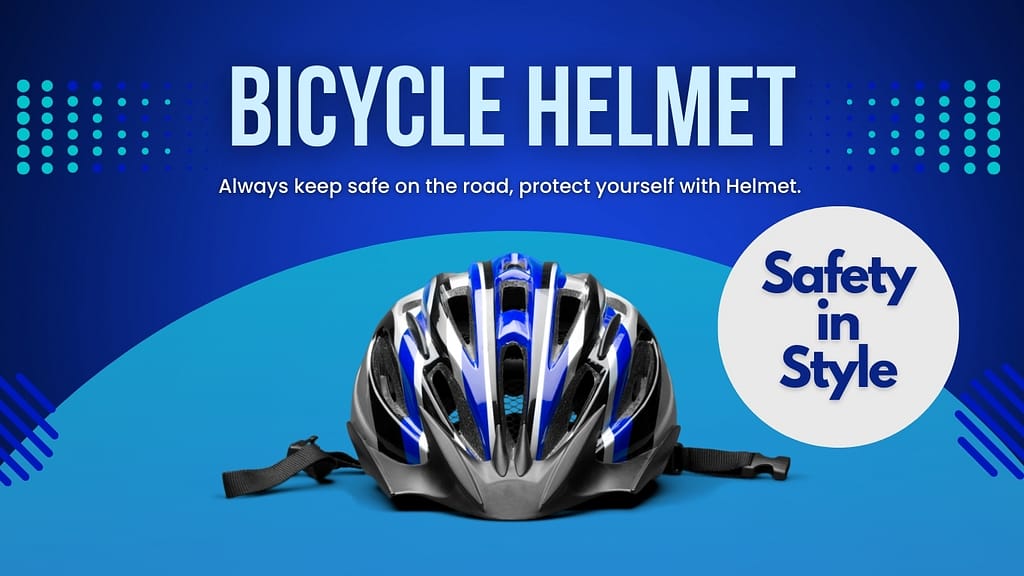
which cycling helmet is the safest? When it comes to the safety of cyclists, one cannot underestimate the importance of choosing a safe cycling helmet. A cycling helmet is not just an accessory but a crucial piece of bike safety gear that can save lives and prevent serious injuries. Wearing a helmet while cycling is a practice that should be followed without compromise. It serves as a protective shield for your head, safeguarding it from potential impact and reducing the risk of traumatic brain injuries in the event of accidents or falls. The statistics speak for themselves: studies have consistently shown that wearing a bicycle helmet significantly lowers the risk of head injury.
Choosing the right cycling helmet is equally important. Not all helmets are created equal, and investing in a high-quality, properly fitted helmet can make all the difference in terms of protection and comfort. what is the best cycling helmet Look for helmets that meet national safety standards and are certified by relevant authorities. A safe cycling helmet will typically feature multiple layers of impact-absorbing materials, such as foam or polycarbonate shells, to provide optimal protection against collisions. It should also have adjustable straps and padding to ensure a snug fit on your head, maximizing both safety and comfort during your rides.
–

Furthermore, don’t forget about proper maintenance. Regularly inspect your helmet for any signs of wear and tear, such as cracks or dents, which may compromise its effectiveness in an accident. Replace your helmet if it has been involved in a crash or has reached its expiration date. Remember, wearing a cycling helmet is not just about abiding by regulations; it’s about prioritizing your own safety on the roads or trails. By choosing to wear one consistently and ensuring its quality, you are taking responsible measures to protect yourself from potentially life-altering consequences. Don’t take chances with your safety when it comes to cycling. Invest in a reliable and properly fitting cycling helmet, because when it comes down to it, there’s no substitute for protecting your most precious asset, your head.
Understanding Safety Standards and Certifications for Cycling Helmets
For the safety of cycling enthusiasts, understanding the intricacies of safety standards and certifications for cycling helmets is of utmost importance. By adhering to these standards, cyclists can ensure maximum protection while enjoying their favorite outdoor activity. One key safety standard that all cyclists should be aware of is the CPSC (Consumer Product Safety Commission) certification. Cycling without a helmet this certification guarantees that the helmet has passed rigorous safety tests and meets the necessary requirements for impact protection. This certification ensures that the helmet meets rigorous safety requirements and has passed various tests before being released into the market.
So, when you see a helmet with a CPSC certification, you can rest assured that it has undergone comprehensive evaluations to guarantee its effectiveness in protecting your head. Another notable technology in modern cycling helmets is MIPS (Multi-Directional Impact Protection System). This innovative technology adds an extra layer of protection by reducing rotational forces during impacts. By allowing a slight movement between the helmet and head, MIPS helps reduce potential brain injuries caused by angled impacts.
So, choosing a helmet equipped with MIPS technology can greatly enhance your overall safety on the road. In addition to specific standards and certifications like CPSC, there are also international guidelines that ensure helmets meet certain safety criteria. The ASTM F1447 standard is one such example. This American standard sets requirements for impact attenuation, stability, retention system strength, and other essential factors to ensure top-notch helmet performance.
–

Moreover, for those who enjoy cycling internationally or prefer European-made helmets, it’s crucial to look out for the EN 1078 certification. This European norm guarantees that the helmet meets stringent criteria regarding shock absorption, stability features, retention system effectiveness, field of vision requirements, and more. By familiarizing yourself with these safety standards and certifications, such as CPSC certification, MIPS technology integration, ASTM F1447 standard, and EN 1078 certification compliance, you are equipping yourself with knowledge that will enable you to make informed decisions when purchasing your next cycling helmet, prioritizing both style and uncompromising protection.
The Key Features to Look for in a Safe Cycling Helmet
When selecting a cycling helmet that ensures maximum safety, there are several key features that you should keep in mind. These features not only contribute to overall protection but also enhance the comfort and functionality of the helmet. First and foremost, impact absorption is of utmost importance. Look for a cycling helmet that incorporates advanced technology to effectively absorb and disperse the force of impact in the event of an accident. This feature significantly reduces the risk of head injuries and provides added peace of mind while cycling.
Another crucial feature is a well-designed ventilation system. A properly ventilated helmet allows for efficient airflow, keeping your head cool and comfortable during long rides or intense workouts. It prevents overheating, reduces sweat buildup, and enhances the overall wearing experience. Fit and adjustability cannot be overlooked when choosing a safe cycling helmet. The effectiveness of a helmet in protecting your head can be compromised by an improper fit. Bike helmet safety facts opt for a helmet that offers multiple sizing options or an adjustable harness system to ensure a snug fit on your head. This will not only provide superior protection but also prevent discomfort or unwanted movement during your ride. Equally important is the choice of shell material. Look for helmets with high-quality materials such as polycarbonate or reinforced composite shells, as they offer exceptional durability and impact resistance without adding excessive weight to the helmet.

By carefully considering these key features—impact absorption, ventilation system, fit and adjustability, and shell material—you can make an informed decision when selecting a safe cycling helmet that guarantees both optimum safety and unrivaled performance on the road or trail. Remember, investing in a reliable cycling helmet is investing in your own well-being while enjoying your two-wheeled adventures!
Detailed Review of Safest Cycling Helmets
In this detailed review, we will delve into the world of the safest cycling helmets, providing you with valuable insights and information that will guide you in making an informed decision. To ensure your utmost protection on the road, it is essential to invest in a high-quality helmet that meets rigorous safety standards. The safest cycling helmets are meticulously designed with cutting-edge technology and innovative features that prioritize your well-being. One key aspect to consider when evaluating cycling helmets is their level of impact protection. The top-rated helmets on the market utilize advanced materials, such as MIPS (Multi-Directional Impact Protection System), which effectively reduces rotational forces and enhances overall head protection in case of an accident.
Furthermore, these state-of-the-art helmets often incorporate multiple layers of impact-absorbing foam, strategically positioned to maximize energy dissipation upon impact. This robust construction ensures that your head remains safeguarded from potentially life-threatening injuries. How to wear cycle helmet comfort is another crucial factor when selecting a cycling helmet. The leading brands recognize this and go above and beyond to provide an optimal fit for every rider. Adjustable straps and retention systems allow for a personalized fit while ensuring stability during rides. Ventilation is also taken into account by reputable helmet manufacturers. They integrate carefully positioned vents that promote airflow, preventing overheating during long rides or intense physical exertion. This thoughtful design not only enhances comfort but also keeps you cool and focused on the road ahead.
However,
In addition to safety features and comfort considerations, style plays a significant role for many cyclists. The latest generation of the safest cycling helmets boasts sleek designs with various color options to suit individual preferences without compromising safety standards. When investing in a cycling helmet, it’s crucial to choose one from reputable brands known for their commitment to safety research and development. These brands often subject their products to rigorous testing procedures that exceed industry standards, giving you peace of mind knowing you’re wearing the safest gear available.
The world of cycling helmets has evolved significantly, and there are now numerous options that prioritize both safety and style. By selecting a helmet that incorporates advanced impact protection systems, offers superior comfort, and aligns with your personal style preferences, you can confidently embark on your cycling adventures, knowing you have made a well-informed decision to safeguard your head and enhance your overall riding experience.
Helmet Fit and Comfort vs. Safety
Helmet fit and comfort versus safety—it’s crucial to strike the right balance. While comfort is undoubtedly important, ensuring the utmost safety should be the top priority. A well-fitted helmet not only provides superior protection but also enhances overall comfort during extended periods of use. what equipment do you need for cycling

By investing in a helmet that fits snugly and securely, you can minimize the risk of injuries caused by improper fit or movement during impact. However, this doesn’t mean compromising on comfort. Advanced technologies in helmet design have made it possible to achieve both optimal fit and exceptional comfort simultaneously. Innovative padding materials and adjustable features allow for a customized fit, catering to various head shapes and sizes. Remember, a comfortable helmet encourages regular usage, ensuring consistent protection for your head while engaging in high-risk activities such as cycling, motorcycle riding, or extreme sports. It should never be an either-or situation when it comes to safety versus comfort.
By prioritizing both safety and comfort in your choice of helmet, you can enjoy peace of mind knowing that you are adequately protected without compromising on your personal well-being. So don’t settle for anything less than a helmet that offers the perfect balance between fit, comfort, and safety—your head deserves nothing less!
Tips for Properly Fitting and Maintaining Your Cycling Helmet for Optimal Safety
Ensuring that your cycling helmet fits properly and is well-maintained is crucial for your safety on the road. Here are some tips to help you achieve optimal safety:
1. Proper fitting:
Start by adjusting the helmet’s internal sizing system to fit snugly on your head. It should cover your forehead without obstructing your vision, and it should sit level on your head. When you shake your head, the helmet shouldn’t bob or sway.
2. Adjusting straps and buckles:
The chin straps should form a “V” shape under each ear and be comfortably snug when fastened. Adjust the length so that only one or two fingers can fit between the strap and your chin. Ensure that the buckle is securely fastened and doesn’t come undone easily.
3. Checking for damages or wear over time:
Regularly inspect your helmet for any signs of damage, such as cracks, dents, or loose foam padding. If you notice any such issues, it’s essential to replace your helmet immediately, as it may compromise its effectiveness in protecting your head during a fall.
4. Maintaining cleanliness:
Sweat and dirt can accumulate on the interior of your helmet over time, leading to unpleasant odors and potential hygiene issues. Clean the helmet regularly using mild soap and water, ensuring that you rinse it thoroughly afterward. Steer clear of harsh chemicals or solvents that could harm the materials of the helmet..
5. Proper storage:
When not in use, store your helmet in a cool, dry place away from direct sunlight. Avoid placing heavy objects on top of it, as this can deform the structure and affect its performance. . It is also important to avoid exposing the helmet to extreme temperatures, as this can cause damage to the materials. Consider using a helmet bag or a designated storage area to protect your helmet from any potential impacts or scratches that could compromise its integrity.
6. Replace when necessary:
Helmets are designed to provide maximum protection for a limited period of time. As such, it’s essential to replace your helmet if it has been involved in an accident or has suffered significant impact, even if no visible damage is present. Additionally, helmets should be replaced every 3–5 years, as normal wear and tear can affect their effectiveness.
7. Choose the right helmet for your activity:
Different activities may require different types of helmets that are specifically designed for their respective purposes. Whether you’re biking, skateboarding, skiing, or engaging in any other activity that requires head protection, make sure you choose a helmet that meets the relevant safety standards and provides adequate coverage and impact absorption.
8. Follow the manufacturer’s guidelines:
Each brand and model of helmet may have specific instructions and guidelines for fitting and maintenance. Always refer to the manufacturer’s recommendations when adjusting your helmet or caring for it.
Remember, wearing a properly fitted and well-maintained helmet is crucial for your safety during various activities where head injuries are possible. By following these tips and taking good care of your helmet, you can ensure its longevity and effectiveness in protecting you from potential harm.
Pros of determining which cycling helmet is the safest:
1. Knowing the safest cycling helmet can significantly reduce the risk of head injuries during a fall or collision.
2. Understanding the safety ratings and standards of helmets can help consumers make more informed purchasing decisions.
3. The safest helmets often come with additional features such as enhanced ventilation, adjustable fittings, and lightweight materials that improve comfort without compromising on safety.
4. Identifying the safest helmet allows cyclists to prioritize their health and wellbeing while enjoying their ride.
5. It encourages manufacturers to constantly improve and innovate in order to provide safer products.
Cons of determining which cycling helmet is the safest:
1. Different testing bodies may have different standards, making it difficult to definitively determine which helmet is objectively the safest.
2. The cost of the safest helmet might be significantly higher than average models, making it less accessible for some people.
3. A focus on safety could overlook other important factors such as comfort, style, or aerodynamics, which are also important for riders.
4. There’s no guarantee that what works best in lab tests replicates real-world scenarios perfectly due to numerous variables like speed, angle of impact, and more.
5. Each rider’s head shape and size vary greatly; hence, a model deemed the safest may not fit everyone properly, thereby reducing its effectiveness in protecting against injuries.
Conclusion: Prioritize safety by investing in the right cycling helmet to protect yourself on every ride.
It is of utmost importance to prioritize your safety while engaging in the exhilarating activity of cycling. One effective way to ensure your well-being is by making a wise investment in the right cycling helmet. By doing so, you are taking a proactive stance towards safeguarding yourself on every ride. Investing in a high-quality cycling helmet not only demonstrates your commitment to personal safety but also provides you with peace of mind. The right helmet acts as a protective shield against potential head injuries, reducing the risk of severe harm during accidents or collisions. It serves as a vital layer of defense that can significantly minimize the impact and distribute forces evenly, thus shielding your head from potential trauma.
When selecting a cycling helmet, it is crucial to consider several key factors that contribute to its effectiveness. Firstly, opt for helmets that meet or exceed industry safety standards, such as those set by organizations like ASTM International or the Consumer Product Safety Commission (CPSC). These certifications ensure that the helmet has undergone rigorous testing and meets strict quality criteria. Secondly, choose a helmet that provides an optimal fit and comfort level. An ill-fitting helmet can compromise its efficacy and may even cause discomfort during long rides. Look for adjustable straps and retention systems that allow you to customize the fit according to your head shape and size. Additionally, helmets with ample ventilation will keep you cool and comfortable throughout your rides.
–

Furthermore, consider additional features that enhance both safety and convenience. Some helmets come equipped with built-in lights for enhanced visibility during low-light conditions or reflective elements for increased visibility from different angles. These features can greatly contribute to overall safety on the road. Lastly, investing in a reliable cycling helmet not only protects you physically but also sets an excellent example for others around you. By prioritizing safety through proper equipment selection, you become an advocate for responsible cycling practices within your community. Don’t underestimate the significance of investing in the right cycling helmet. It is an essential step towards ensuring your safety and well-being on every ride.
By choosing a helmet that meets safety standards, provides a comfortable fit, incorporates additional features, and sets an example for others, you are taking a proactive approach towards protecting yourself and promoting safe cycling practices. So take that step forward, prioritize your safety, and embark on your cycling adventures with confidence!
FAQ:
1. Q: Are full-face cycling helmets safer than standard ones?
A: Full-face helmets provide more coverage and can offer better protection in certain situations, such as downhill mountain biking, but may not be necessary for casual riding.
2. Q: Does aerodynamic design compromise a helmet’s safety?
A: No, aerodynamics should not compromise a helmet’s safety if properly designed. Safety regulations must be met before considering aerodynamics.
3. Q: Can I still use my old helmet? Is it safe?
A: Cycling helmets should be replaced every five years or immediately after any significant impact, even if there is no visible damage. The integrity of the materials can degrade over time, which reduces their effectiveness at protecting your head.